Canary MelonCasaba Melon
Plant-BasedFruits
🟢Safe

Cantaloupe

Cucumis melo var. cantalupensis

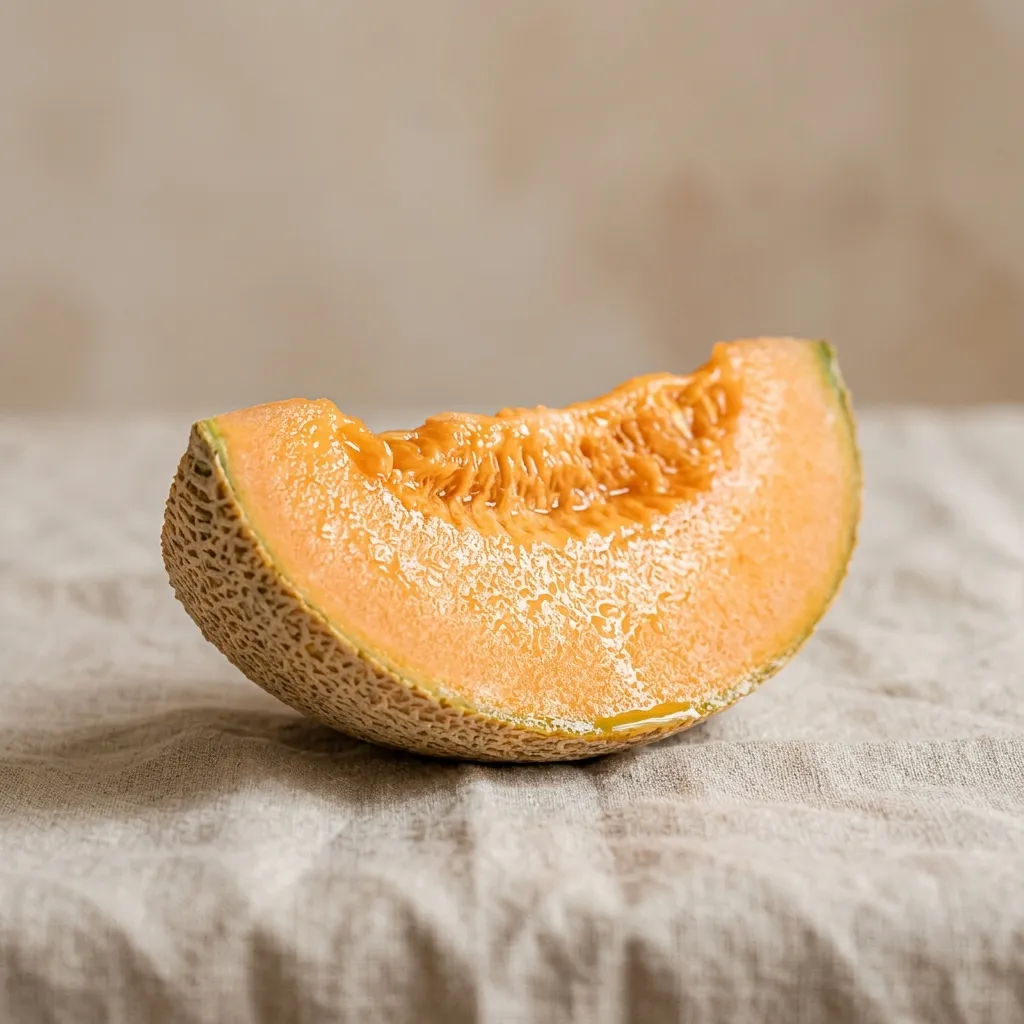
Cantaloupe is an exceptionally hydrating melon, prized for its high water volume, delicate sweetness, and cooling sensation.

Regional names

Cantaloupe

Origin

Cantaloupe has been cultivated for centuries, moving from wild native origins along tropical and subtropical trade paths.

Native region

Tropical Africa, southern Asia, and warm Middle Eastern valleys

Season

Varies by fruit type and import season
Food Combinations & Timing

Safe Combination Profile

It is safe to eat this food item with other food items.

🌅Best Eaten Before Sunset

Circadian Digestion Rule: Fruits are best consumed during the daytime. As the sun sets, human metabolism slows down and insulin sensitivity decreases as melatonin rises. Eating high-fructose fruits after sunset can trigger blood sugar spikes.

Scientific Reason: Fruits digest extremely rapidly (often within 20–30 minutes). When eaten late at night when gut motility slows down, they can sit and ferment in the digestive tract, leading to gas, bloating, acid reflux, and disrupted sleep.

Nutritional profile

Calories

34 kcal / 100 g

Protein

0.8 g

Carbs

8.2 g

Fat

0.2 g

Fiber

0.9 g

Water content

Extremely high (90% to 92%)

Glycemic index

Generally low to moderate

Vitamins

  • Vitamin C
  • Vitamin A
  • Folate

Minerals

  • Potassium
  • Copper
  • Magnesium

Health benefits

Evidence-aligned highlights

  • Provides excellent hydration due to its high water content (often exceeding 90%).
  • Supplies natural electrolytes, particularly potassium, supporting rapid rehydration.
  • Contains carotenoids and vitamins that support heart and vascular health.

Flavor notes

Sweet, Refreshing, Cucumber-like, Watery

Texture

Crisp, watery, or soft and juicy

Aroma

Fresh, green, and sweet

Pairings

Mint, Feta cheese, Lime, Prosciutto, Cucumber, Salt

Safety & toxicity

Edible parts

Sweet inner flesh, Seeds (of some varieties like watermelon when dried/roasted)

Toxic or risky parts

Tough outer rind (edible only when pickled or cooked, discard raw)

Raw vs cooked

Served cold, sliced raw; rind can be pickled or stir-fried.

Allergies & intolerances

Rare allergies, sometimes cross-reacting with ragweed pollen.

Drug interactions

No major interactions for normal servings.

Safe daily limit

Enjoy generously for hydration, especially in hot weather.

⚠️ Notice: This safety profile is a general guideline. Dietary tolerances differ; consult a healthcare professional for allergies or drug interactions. See our full disclaimer.

Who should avoid & how to handle it

Who should avoid or moderate

  • Diabetics may moderate portions due to high water/sugar release rates, though glycemic load is low.

Preparation & storage

  • Clean: Wash the outer rind thoroughly before slicing to avoid dragging soil bacteria onto the flesh.
  • Cut: Slice in half, scoop out loose inner seeds (if applicable), and cut into wedges or cubes.
  • Cook: Best served raw; watermelon can be lightly grilled or compressed.
  • Store: Keep whole melons at room temperature; wrap cut sections tightly and refrigerate for up to 5 days.
  • Preserve: Blend and freeze into melon pops, or pickle the white rind.

Cuisine & cultural use

Common cuisines

  • Global
  • Tropical
  • Dessert and pastry cuisines

Cantaloupe appears in Global, Tropical, Dessert and pastry cuisines, often because its flavor structure and prep speed fit both everyday cooking and ceremonial dishes.

Dynamic Substitutions

No alternatives recorded for this specific item. It is chemically or botanically unique in the database.

🌱 Cultivation & Production

Cantaloupe Home Growing Guide

Learn how to grow and cultivate cantaloupe at home, whether you live in an urban apartment or have access to outdoor garden land.

Apartment Friendly

✗ Not Ideal for Apartments

No

Urban Space Advice

Not recommended for apartments unless using specialized dwarf varieties in large, heavy pots.

Difficulty

Hard

Propagation

Grafting (commercial propagation) or seeds (slower growth).

Soil Type

Deep, well-draining garden soil

Watering

Deep watering once a week

Sunlight

Full sun (8+ hours daily)

Best Season

Spring planting; fruits in Summer/Autumn

Step-by-Step Growing Guide

  1. 1

    For garden planting: Choose a sunny spot with deep, fertile, well-draining soil.

  2. 2

    Dig a hole twice as wide as the root ball and plant at the same depth as the container.

  3. 3

    Water deeply once a week, especially during the first two years and during fruiting.

  4. 4

    Prune annually in late winter to remove dead wood and shape the tree for sun exposure.

Quick recipes

Fast recipes using Cantaloupe

Snack

Prosciutto e Melone

Sign in to save

A classic Italian summer appetizer pairing sweet cantaloupe melon with savory cured ham.

Ingredients

Servings:2
  • 1/2 sweet cantaloupe melon, sliced
  • 6 slices prosciutto di Parma

Nutrition

  • 110 kcal
  • 8 g protein
  • 12 g carbs
  • 3.5 g fat

Preparation Steps

  1. 1Cut the cantaloupe melon into thin wedges and remove the seeds and skin.
  2. 2Wrap a slice of savory prosciutto around each melon wedge.
  3. 3Arrange elegantly on a platter and serve chilled.