Knowledge

Fascinating facts about the foods we eat.

Learn about the origins, culinary chemistry, and cultural history behind everyday ingredients.

โš ๏ธ Legal Disclaimer: Culinary facts, botanical information, and scientific trivia are for educational purposes only. They do not constitute health claims or professional dietary advice. See our full disclaimer.

Food Highlights

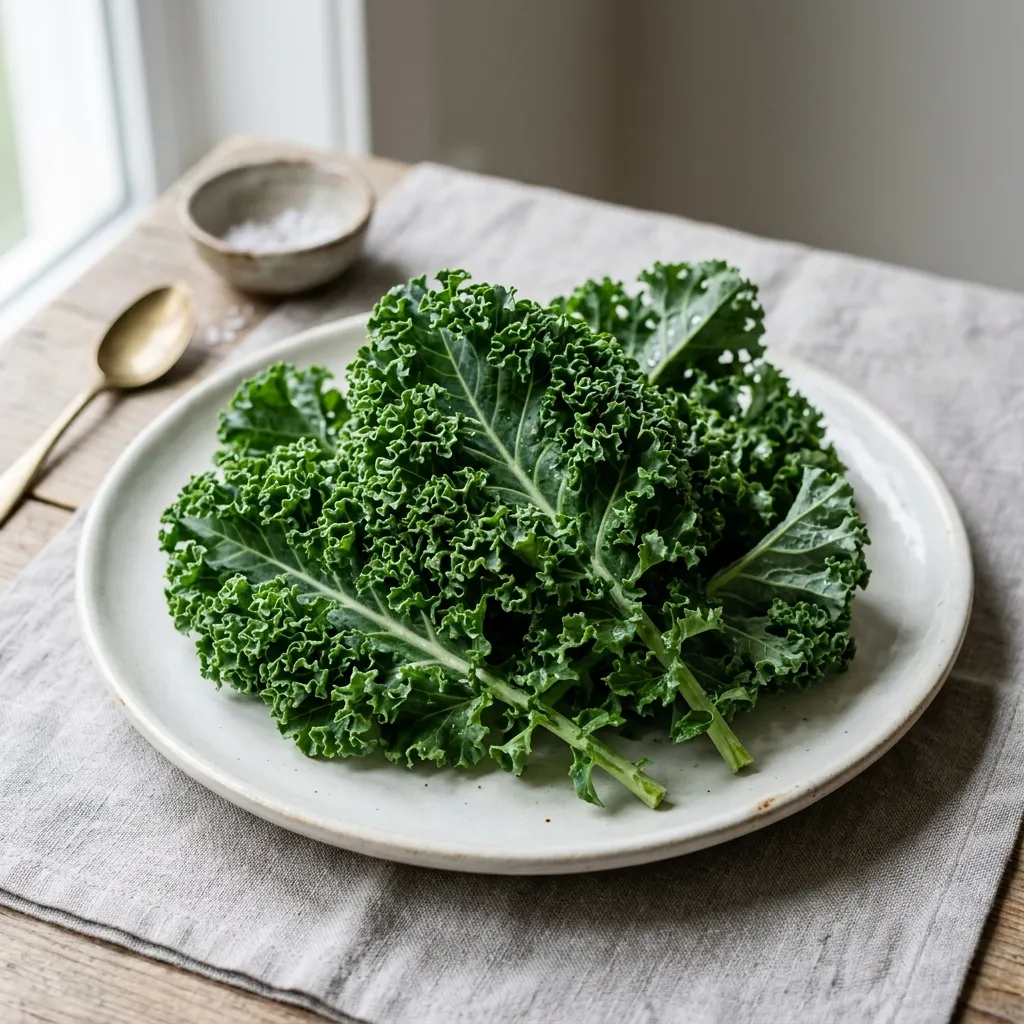
Kale

Vegetables

Kale

Brassica oleracea var. sabellica

Kale: Goitrogen Science, Bitter Taste Genetics, and Cooking Chemistry

The Bitter Taste Gene

Whether you love or hate kale is partly genetic. Humans have a taste receptor gene called TAS2R38 that detects bitter glucosinolates. People with two copies of the 'sensitive' variant (supertasters) perceive kale as intensely bitter and unpleasant, while those with the 'insensitive' variant perceive it as mild or sweet.
Chickpea

Legumes & Pulses

Chickpea

Cicer arietinum

Chickpeas: Whipping Aquafaba, Trypsin Blockers, and Ancient Trade

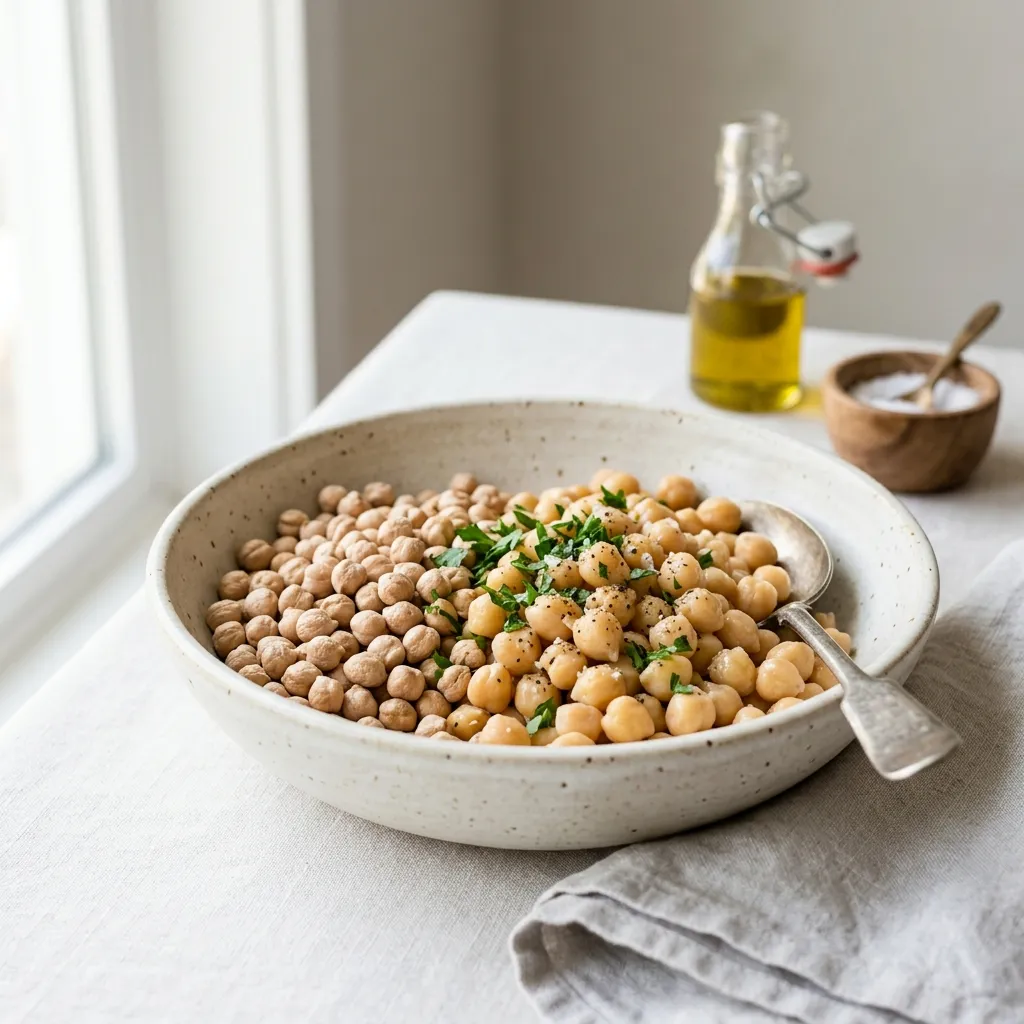
The Magic of Aquafaba

The viscous cooking water of chickpeas, known as aquafaba, has unique emulsifying and foaming properties that match egg whites. When you whip aquafaba, the dissolved proteins and saponins trap air bubbles to form stable meringues, macarons, and vegan mayonnaise.

Quinoa

Grains & Cereals

Quinoa

Chenopodium quinoa

Quinoa: The Saponin Defense, Complete Proteins, and Incan Gold

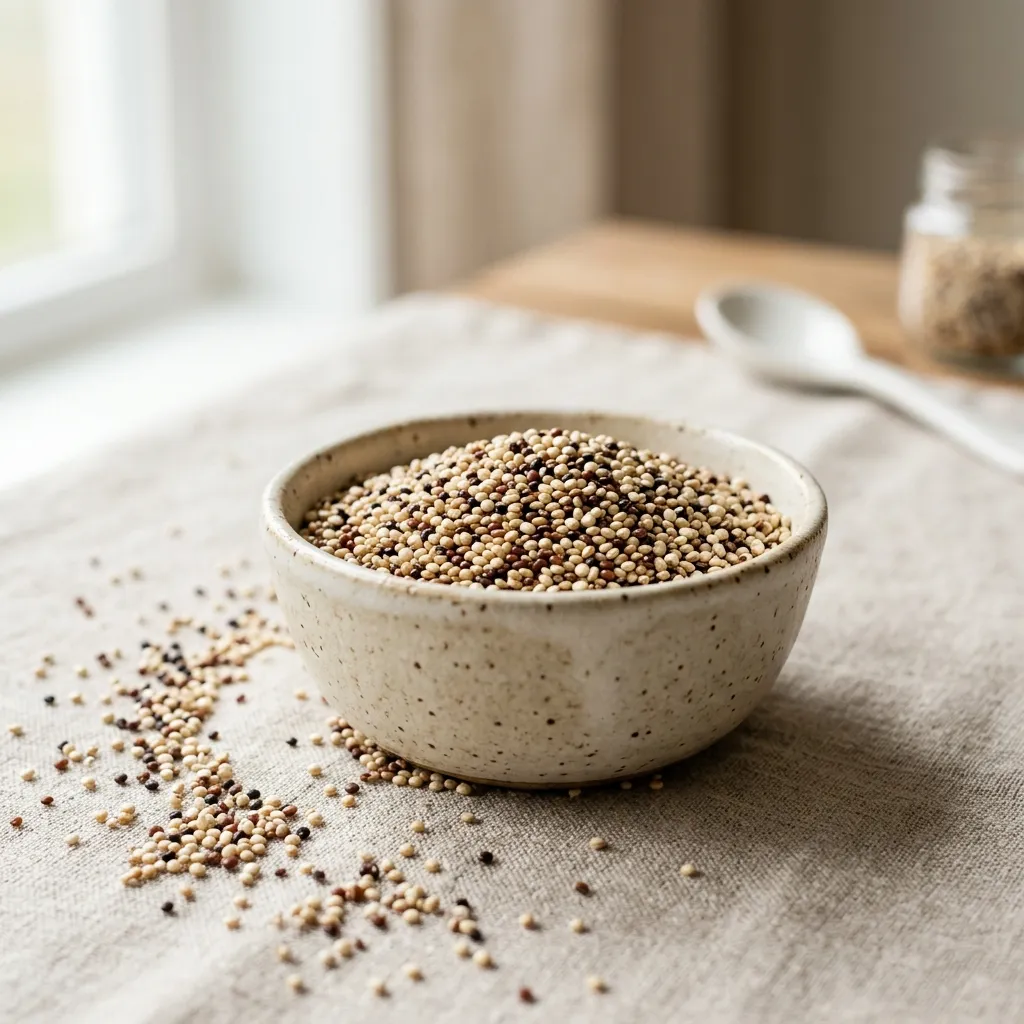
The Bitter Saponin Coat

Quinoa seeds are coated with saponins โ€” bitter, soap-like organic molecules. This coating acts as a natural pest control, preventing birds and insects from eating the seeds. To make quinoa palatable and remove the bitter taste, the seeds must be thoroughly washed and rinsed before cooking.

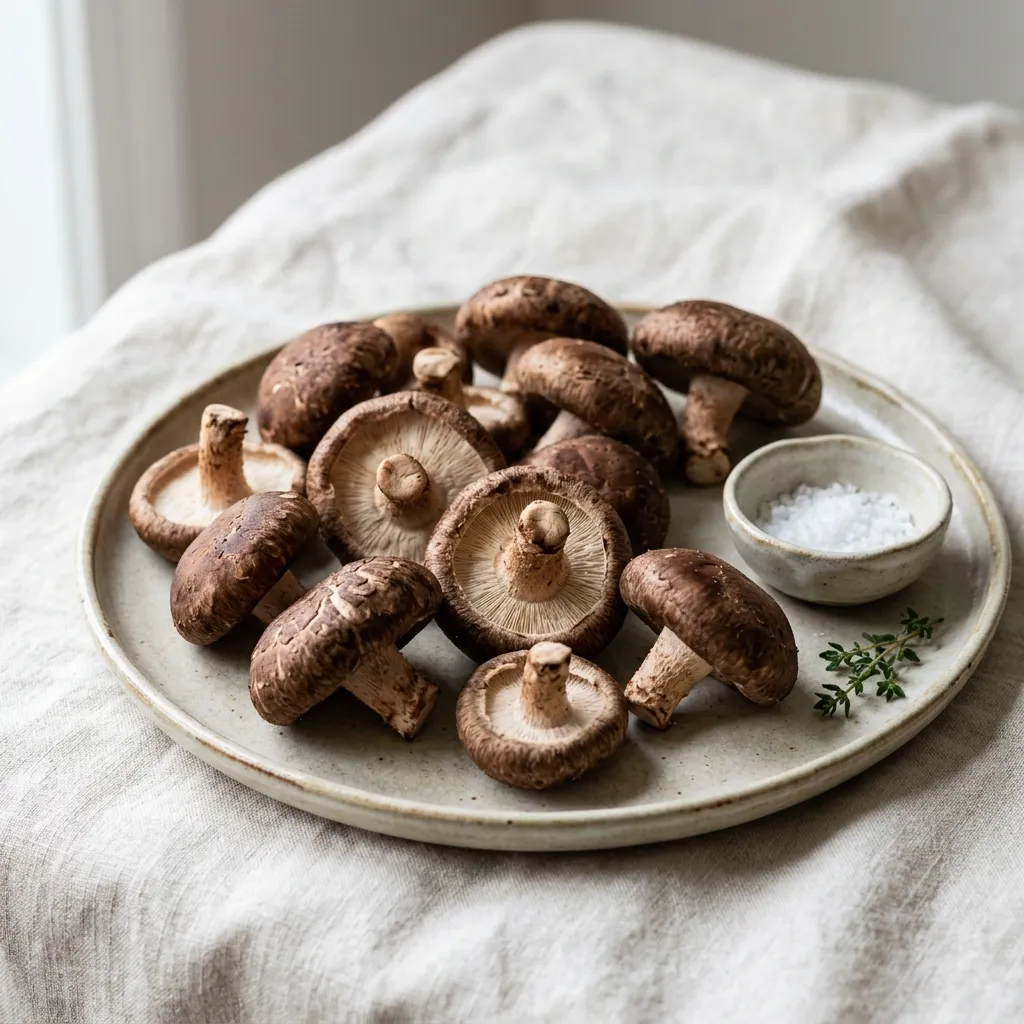
Shiitake Mushroom

Mushrooms & Fungi

Shiitake Mushroom

Lentinula edodes

Shiitake: Aromatics, Fungal Beta-Glucans, and Log Cultivation

Lenthionine Aroma Chemistry

Shiitake mushrooms have a rich, savory umami aroma driven by a unique cyclic organosulfur compound called lenthionine. This compound forms when the mushroom tissue is damaged or dried, which is why dried shiitakes often have a much more intense, complex flavor than fresh ones.

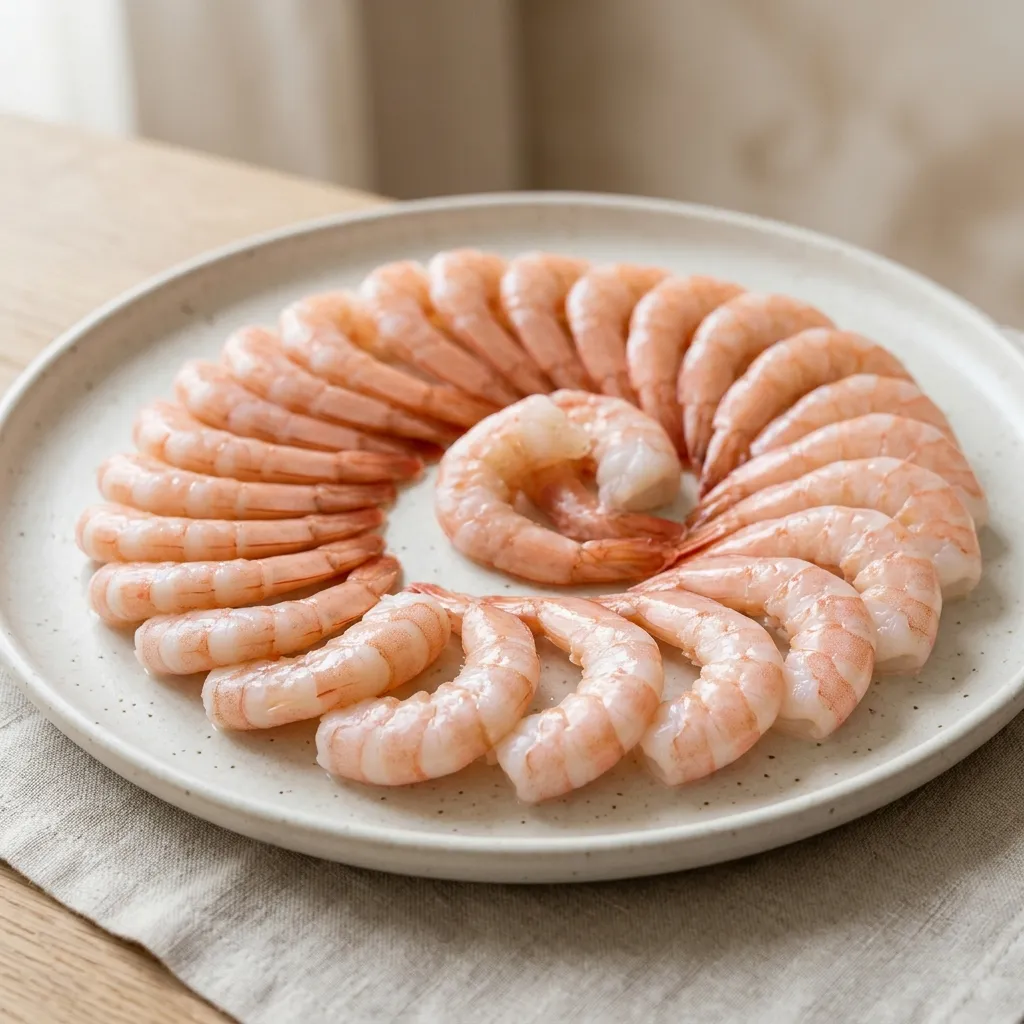
Shrimp

Seafood โ€” Shellfish & Crustaceans

Shrimp

Penaeus spp. and related species

Shrimp: The Orange Color Secret, Cholesterol Profiles, and Marine Gliders

The Cooked Color Secret

In live shrimp, the carotenoid pigment astaxanthin is bound to a protein called crustacyanin, which absorbs light and makes the shrimp look greyish-blue. When cooked, the heat denatures the crustacyanin protein, releasing the astaxanthin molecule and turning the shrimp its signature bright orange-pink.

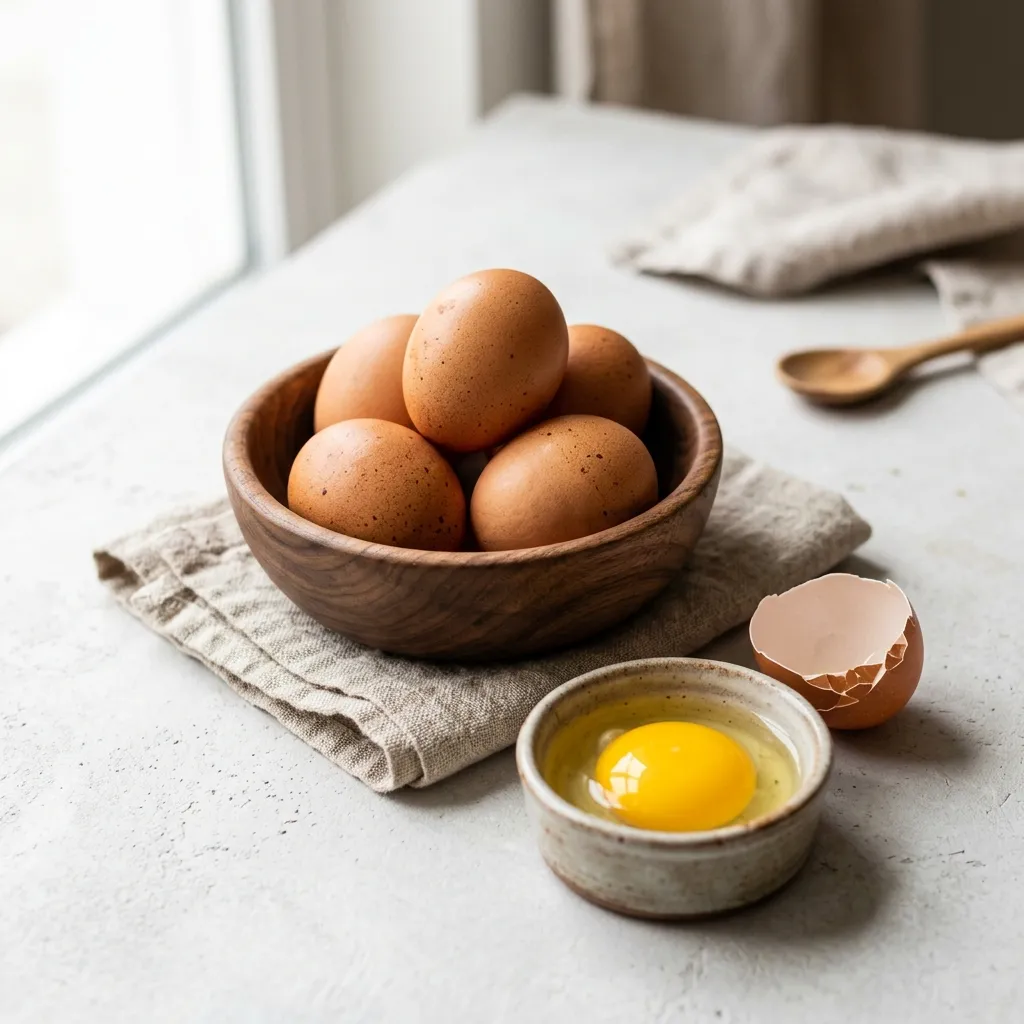
Egg

Eggs

Egg

Gallus gallus domesticus (chicken egg)

Eggs: Coagulation Chemistry, The Aging Float Test, and Lecithin Emulsifiers

Coagulation Temperature Difference

Egg whites and yolks are made of different proteins that coagulate at different temperatures. Egg whites (mostly ovalbumin) begin to set at 60ยฐC (140ยฐF) and solidify at 65ยฐC (149ยฐF). Yolks set at 65ยฐC (149ยฐF) and solidify at 70ยฐC (158ยฐF). This 5-degree window allows chefs to create soft-boiled eggs with firm whites and runny yolks.

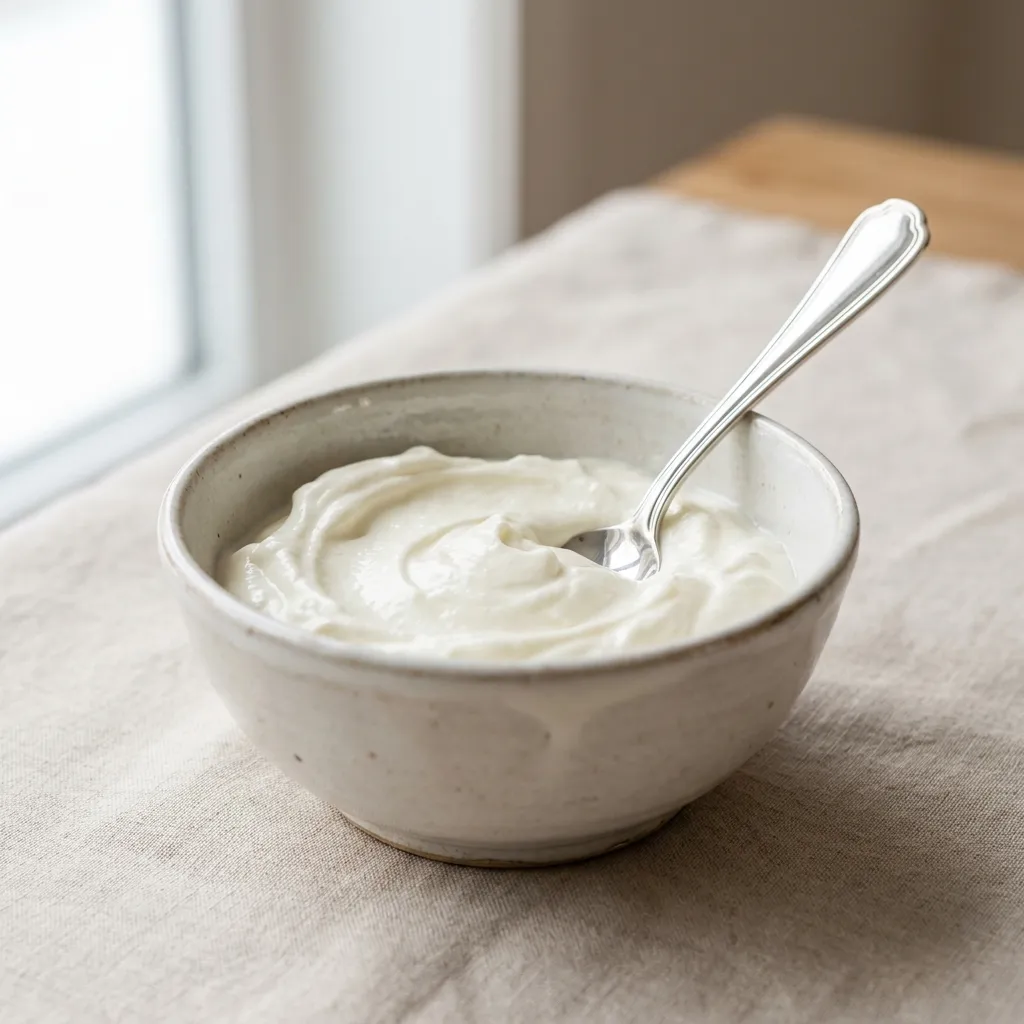
Greek Yogurt

Dairy

Greek Yogurt

Fermented cultured dairy from Lactobacillus and Streptococcus species

Greek Yogurt: Acid Whey Straining, Probiotic Strains, and Lactose Reductions

The Straining Process

Traditional Greek yogurt is made by straining regular yogurt to remove the liquid whey (acid whey). This process concentrates the remaining casein proteins, resulting in a thick, velvety texture and doubling the protein content per serving compared to unstrained yogurt.

Tempeh

Fermented Plant Foods

Tempeh

Fermented soybean cake with Rhizopus cultures

Tempeh: Fungal Fermentation, Phytic Acid Breakdown, and Nutty Aromas

Rhizopus Oligosporus Bind

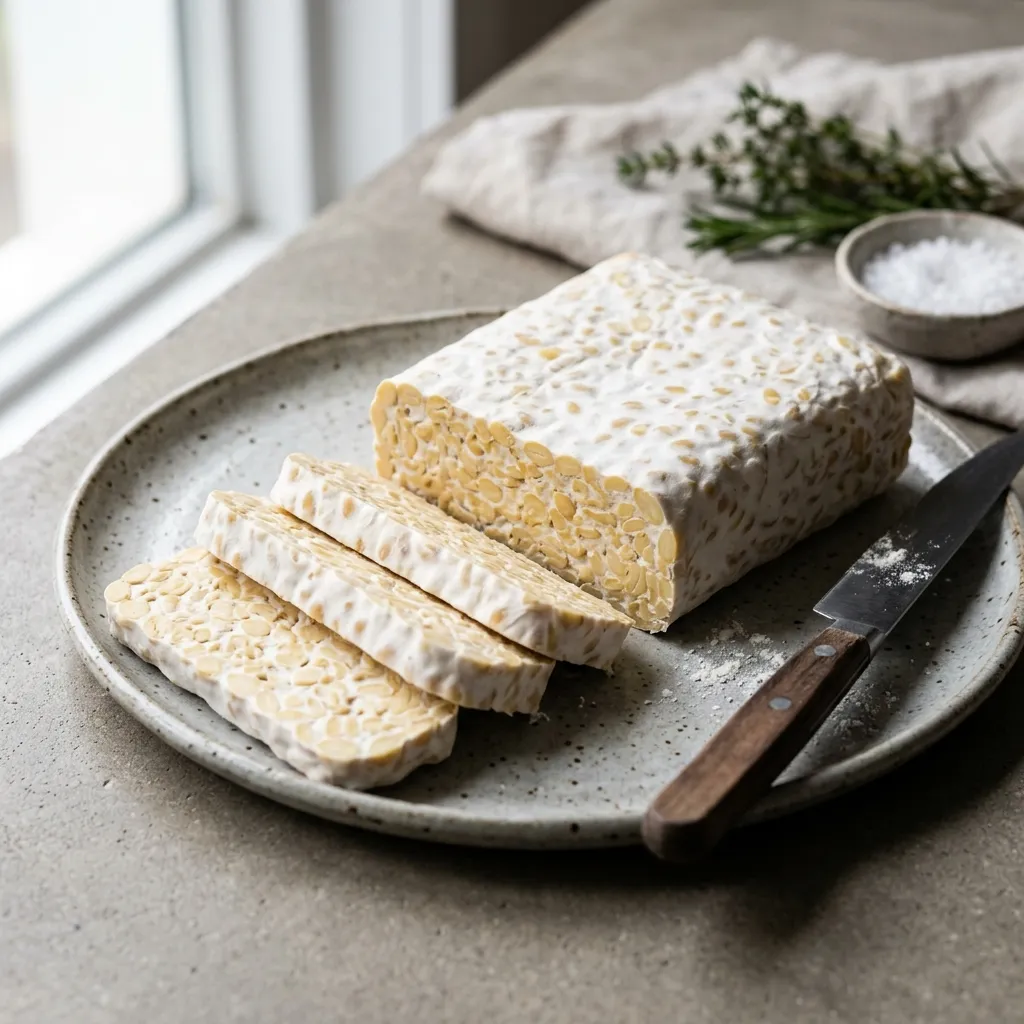
Tempeh is created by fermenting cooked soybeans with a starter fungus called Rhizopus oligosporus. Within 24-48 hours, the fungal mycelium grows into a dense white web that binds the soybeans into a solid cake. The fermentation process pre-digests soy proteins into easily absorbable amino acids.

Cinnamon

Spices & Seasonings

Cinnamon

Cinnamomum verum / Cinnamomum cassia

Cinnamon: Cinnamaldehyde Oils, Ceylon vs. Cassia, and Bark Quills

Cinnamaldehyde Oil

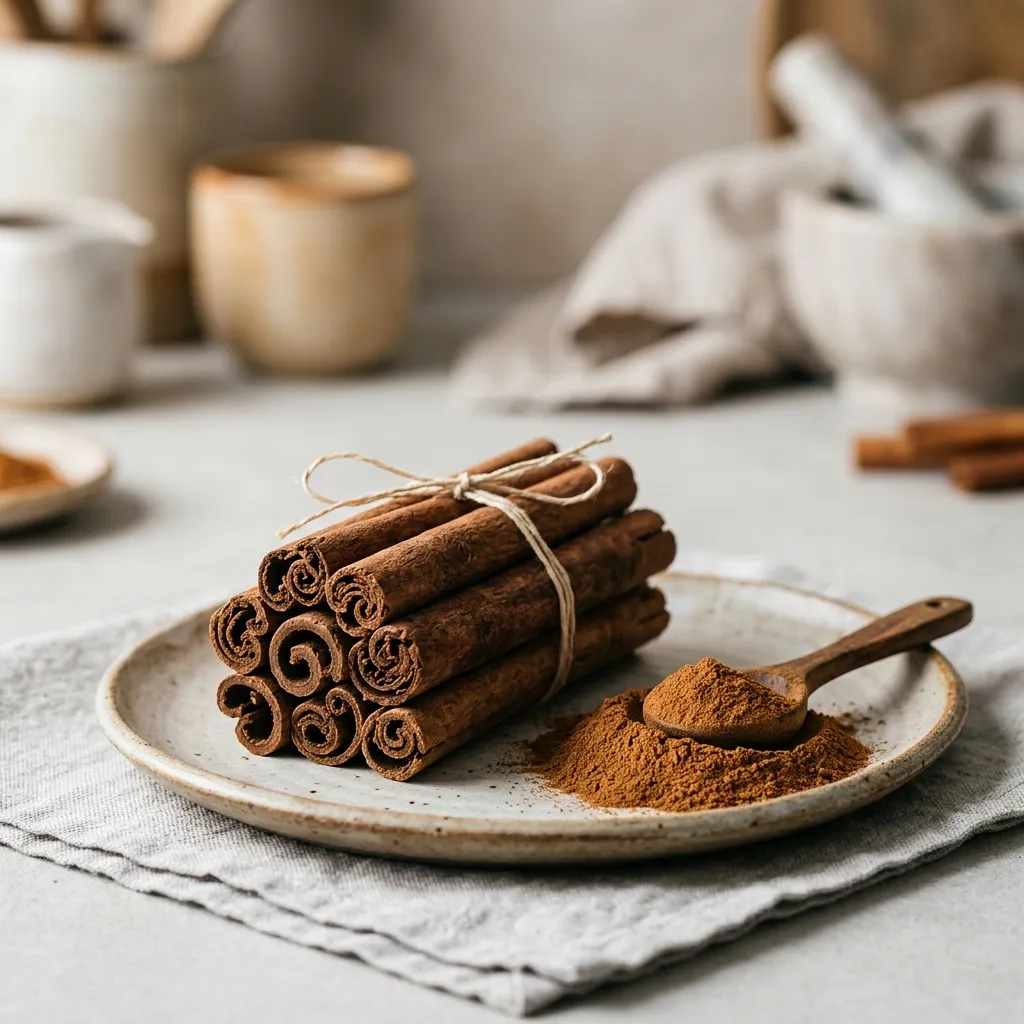
Cinnamon's sweet, warming aroma comes from cinnamaldehyde, an essential organic compound concentrated in the plant's inner bark. In nature, cinnamaldehyde acts as a powerful antifungal and antibacterial defense agent, protecting the tree from infections.

Chia Seed

Seeds

Chia Seed

Salvia hispanica

Chia Seeds: Mucilage Hydrogels, ALA Omega-3s, and Aztec Stamina

Hydrophilic Mucilage

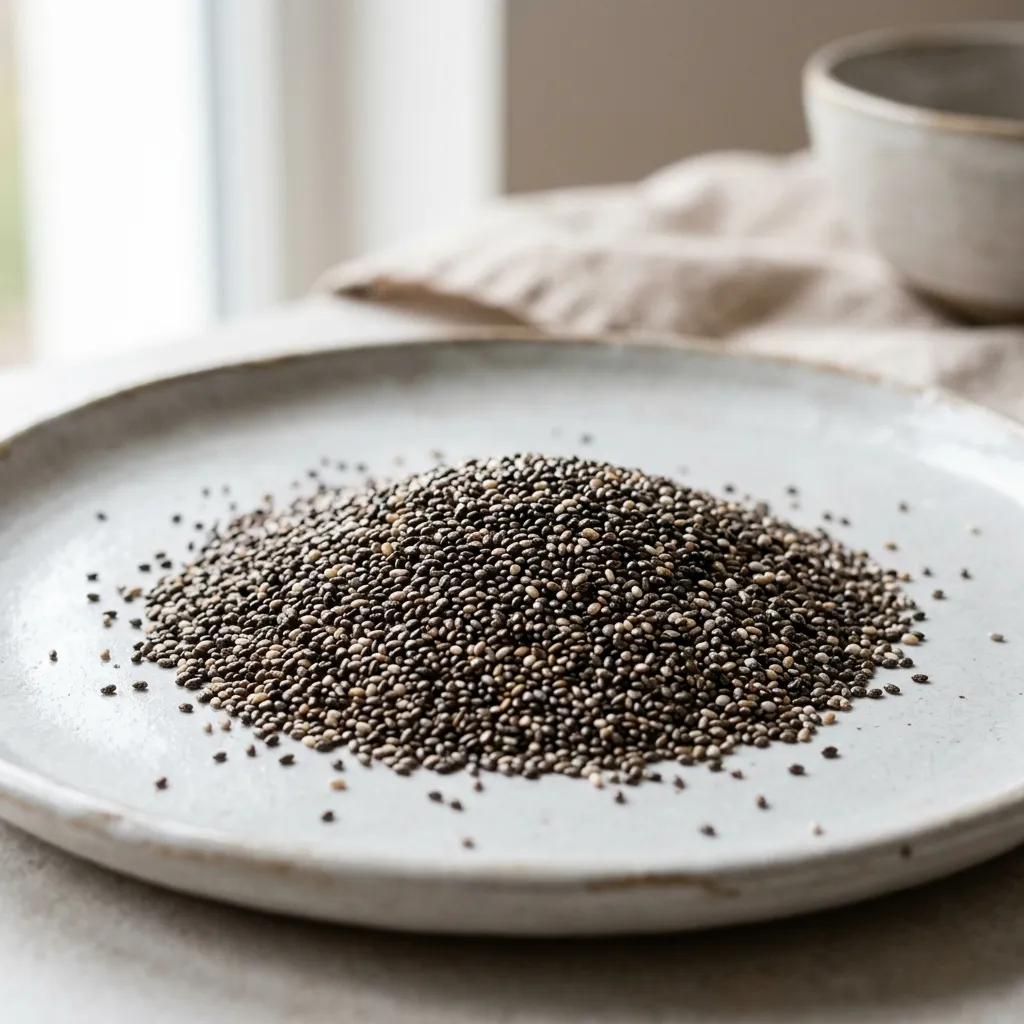
Chia seed coats contain a unique soluble fiber called mucilage. When exposed to liquids, this fiber acts as a hydrogel, absorbing up to 12 times its weight in water to form a thick, gelatinous outer layer. This gel slows down digestion, prolonging hydration and the release of carbohydrates.

Hibiscus

Edible Flowers

Hibiscus

Hibiscus sabdariffa

Hibiscus: Anthocyanin Acidity, Natural pH Indicators, and Tart Infusions

Acid pH Indicator

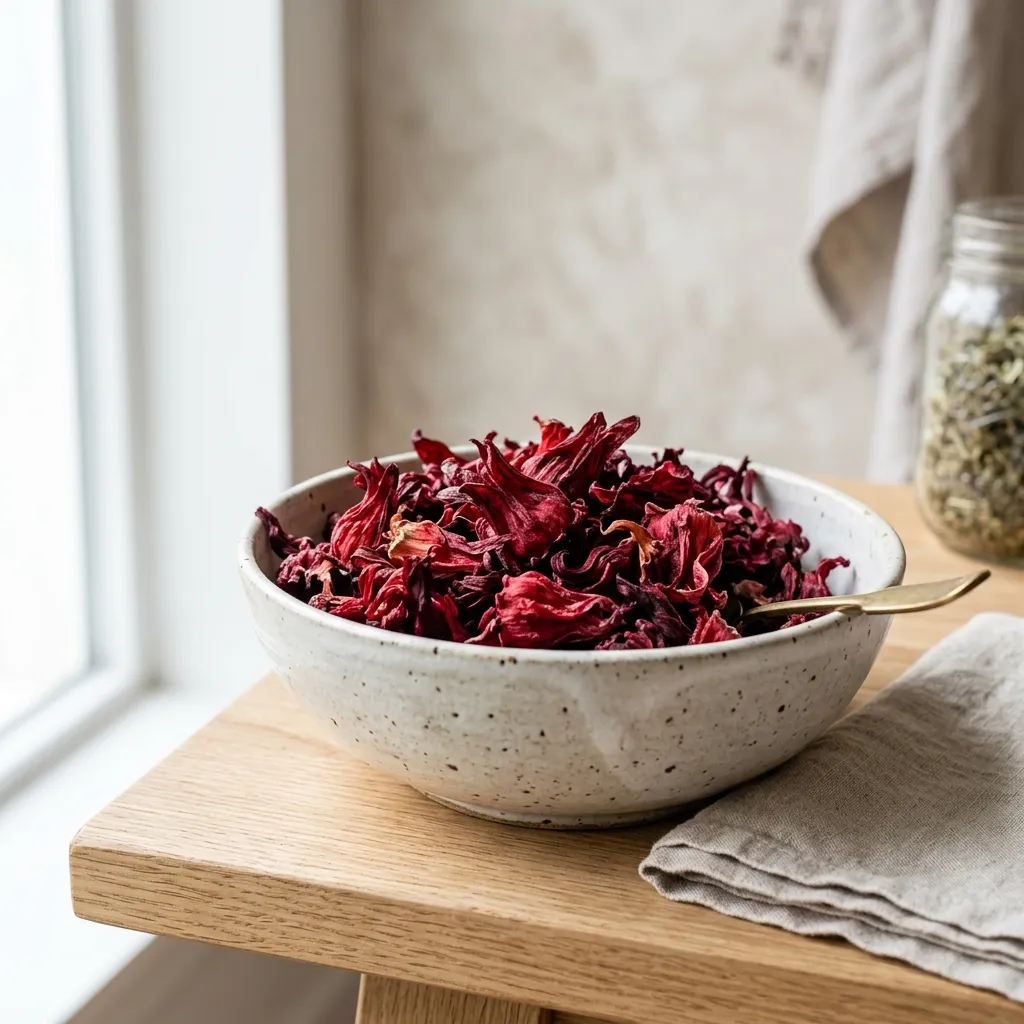
Fried hibiscus calyces contain high concentrations of anthocyanins โ€” the red pigments that double as natural pH indicators. An infusion of hibiscus is bright red in acidic environments, but turns dark blue, green, or yellow if mixed with alkaline substances like baking soda.

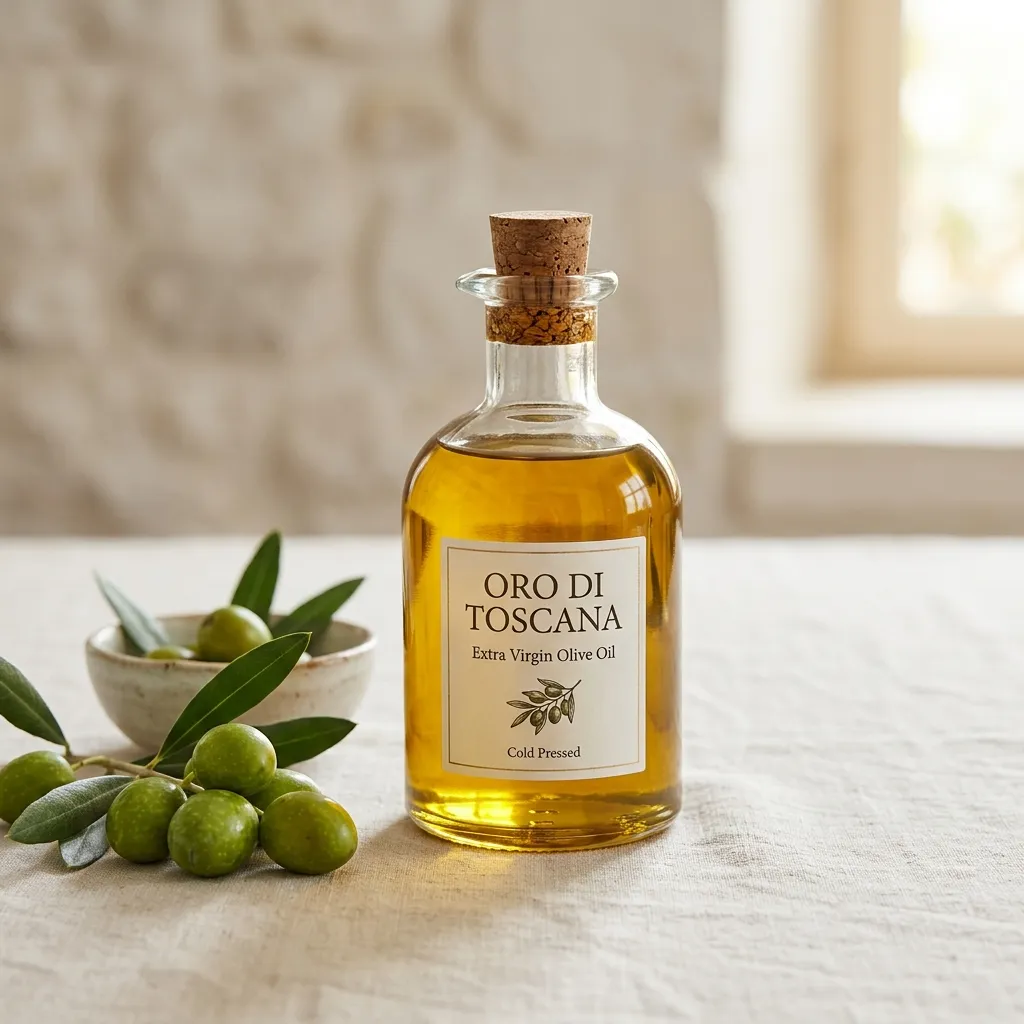
Olive Oil

Plant Oils & Fats

Olive Oil

Pressed oil from Olea europaea fruit

Olive Oil: Free Fatty Acidity, Oleocanthal Burn, and Photo-Oxidation

Extra Virgin Acidity Rules

To be graded as 'Extra Virgin,' olive oil must be cold-pressed without chemicals or heat and have a free fatty acidity level of less than 0.8%. High free acidity indicates that the olives were damaged, fermented, or stored poorly before pressing.

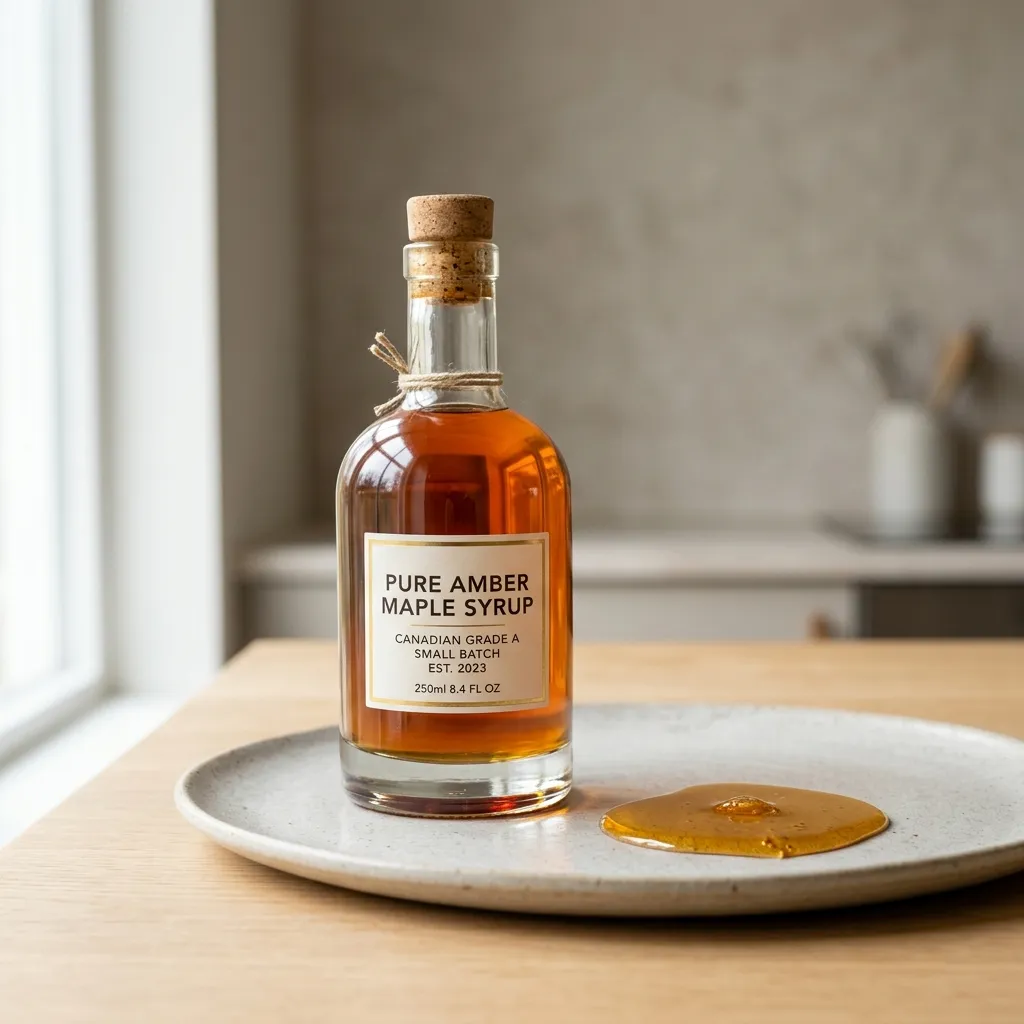
Maple Syrup

Natural Sweeteners

Maple Syrup

Reduced sap from Acer species

Maple Syrup: Sap Concentration, Quebecol Chemistry, and Harvest Grades

The 40

1 Boiling Rule: Maple sap is mostly water, containing only 2% sugar when tapped from the tree. To produce maple syrup, farmers must boil off the water. It takes approximately 40 gallons of raw maple sap to produce just 1 gallon of finished, concentrated maple syrup.

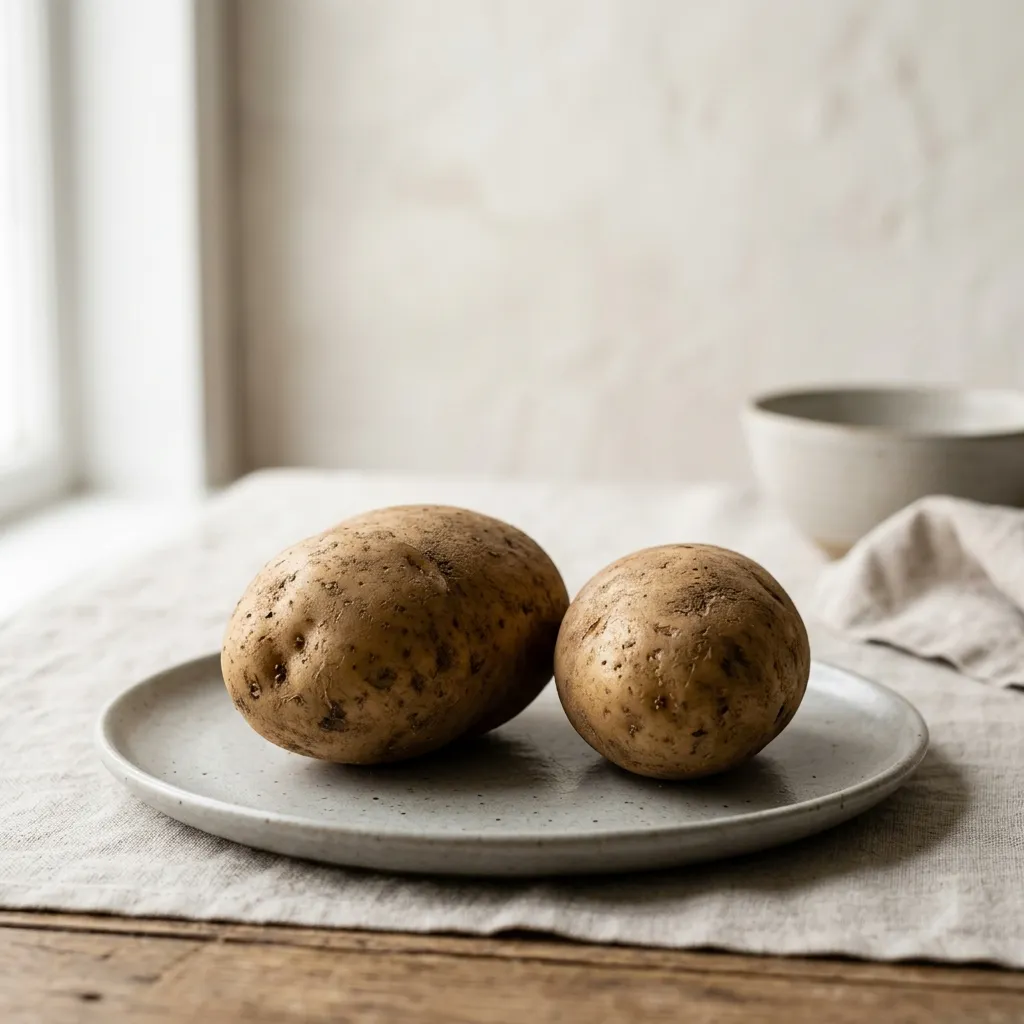
Potato

Vegetables

Potato

Potato (Tubers variety)

Potatoes: Solanine Poisoning, Resistant Starch, and Famine Monoculture

Solanine Poison Defense

When potatoes are exposed to light, they produce chlorophyll (turning green) and a toxic glycoalkaloid called solanine. Solanine acts as a chemical defense against pests. Consuming green potatoes can cause severe vomiting, diarrhea, and neurological issues. Green sections must be cut away entirely.

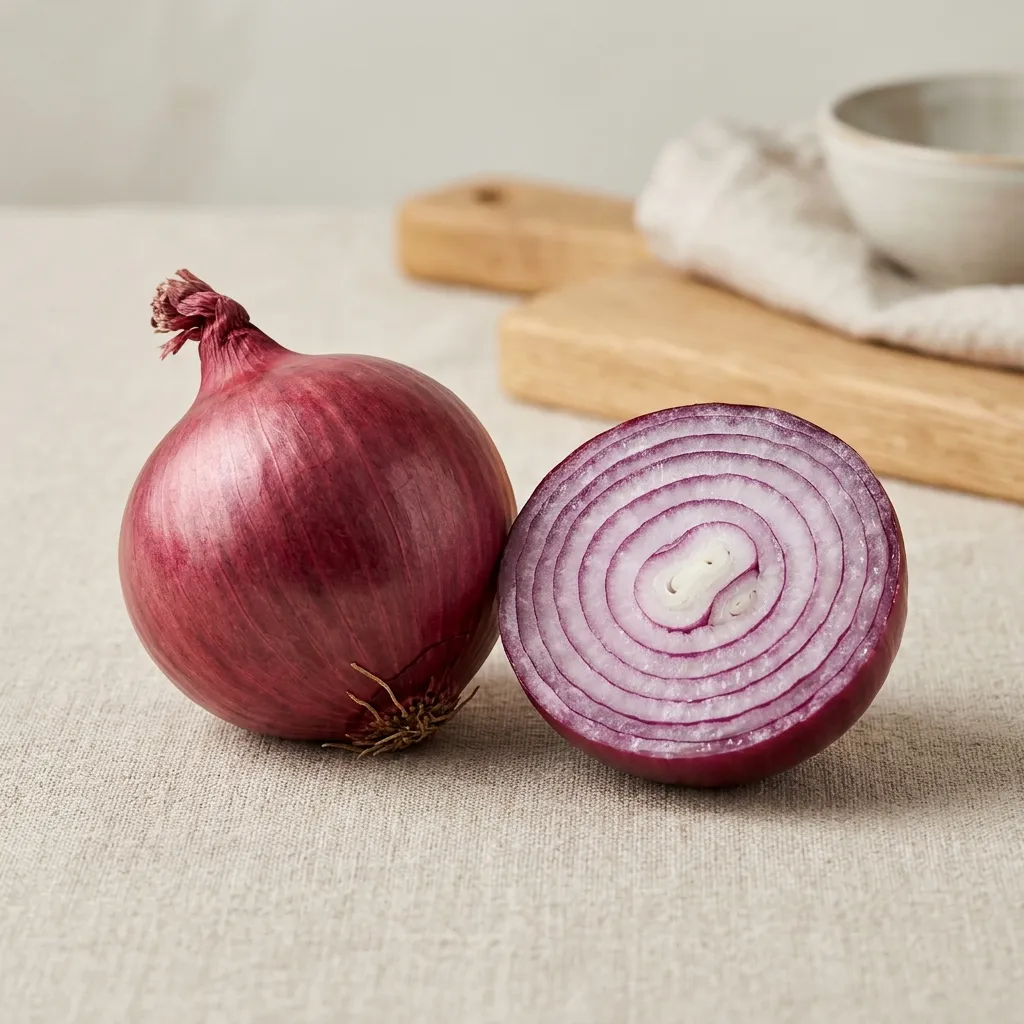
Onion

Vegetables

Onion

Allium cepa

Onions: Lachrymatory Gas, Pet Toxicity, and Baking Soda Science

Tear-Inducing Gas

When you cut an onion, you rupture its cell walls, allowing an enzyme called alliinase to mix with sulfoxides. This reaction produces syn-propanethial-S-oxide, a volatile gas. When the gas reaches the moisture in your eyes, it stimulates sensory nerves, triggering the tear glands to wash away the irritant.

Cucumber

Vegetables

Cucumber

Cucumis sativus

Cucumbers: Cucurbitacin Bitterness, Internal Cooling, and Pickle Plump

Cucurbitacin Bitterness

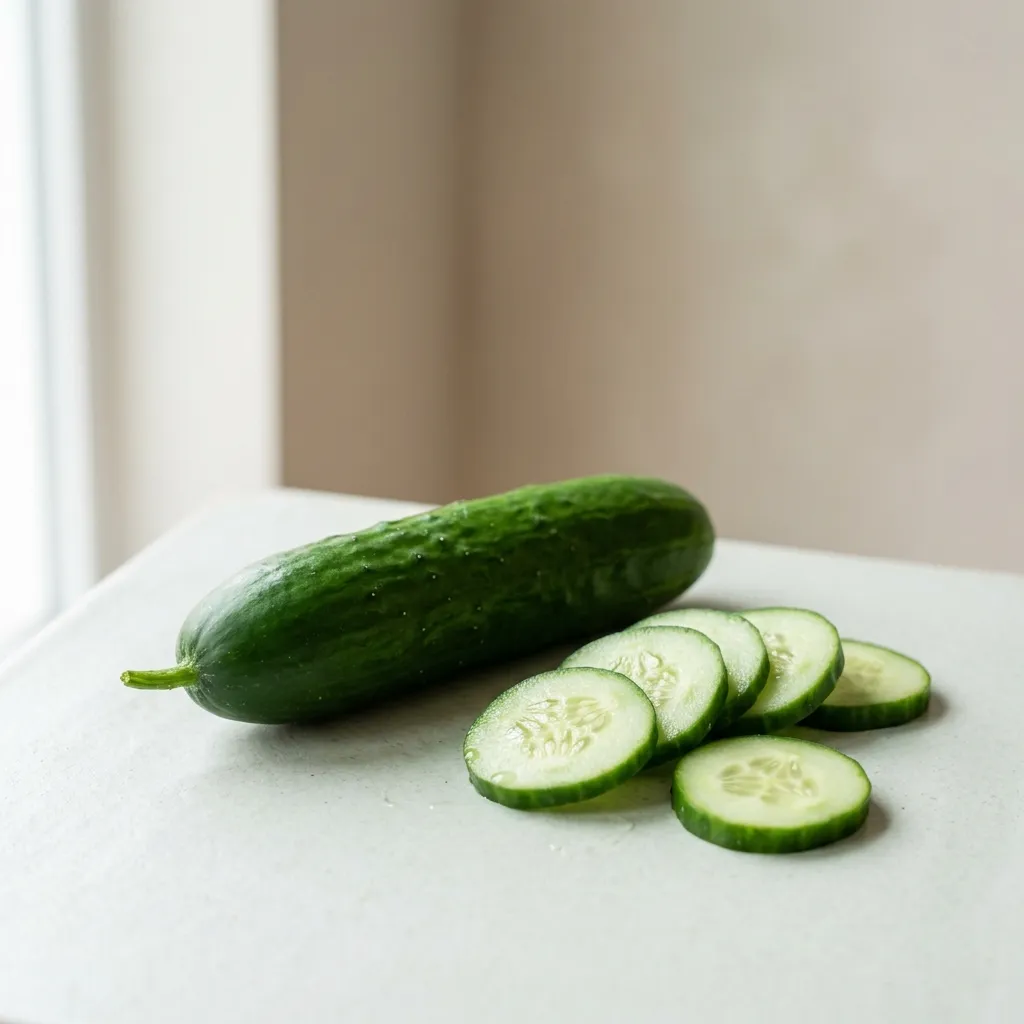
Cucumbers produce bitter compounds called cucurbitacins as a defense against herbivores. These compounds are concentrated in the skin and stems. Rubbing the cut end of a cucumber against the main body creates a white foam that draws out these bitter compounds, a traditional culinary technique.

Spinach

Vegetables

Spinach

Spinach (Leafy greens variety)

Spinach: Oxalic Acid Defense, Calcium Blocking, and the Popeye Myth

Oxalic Acid and Chalky Teeth

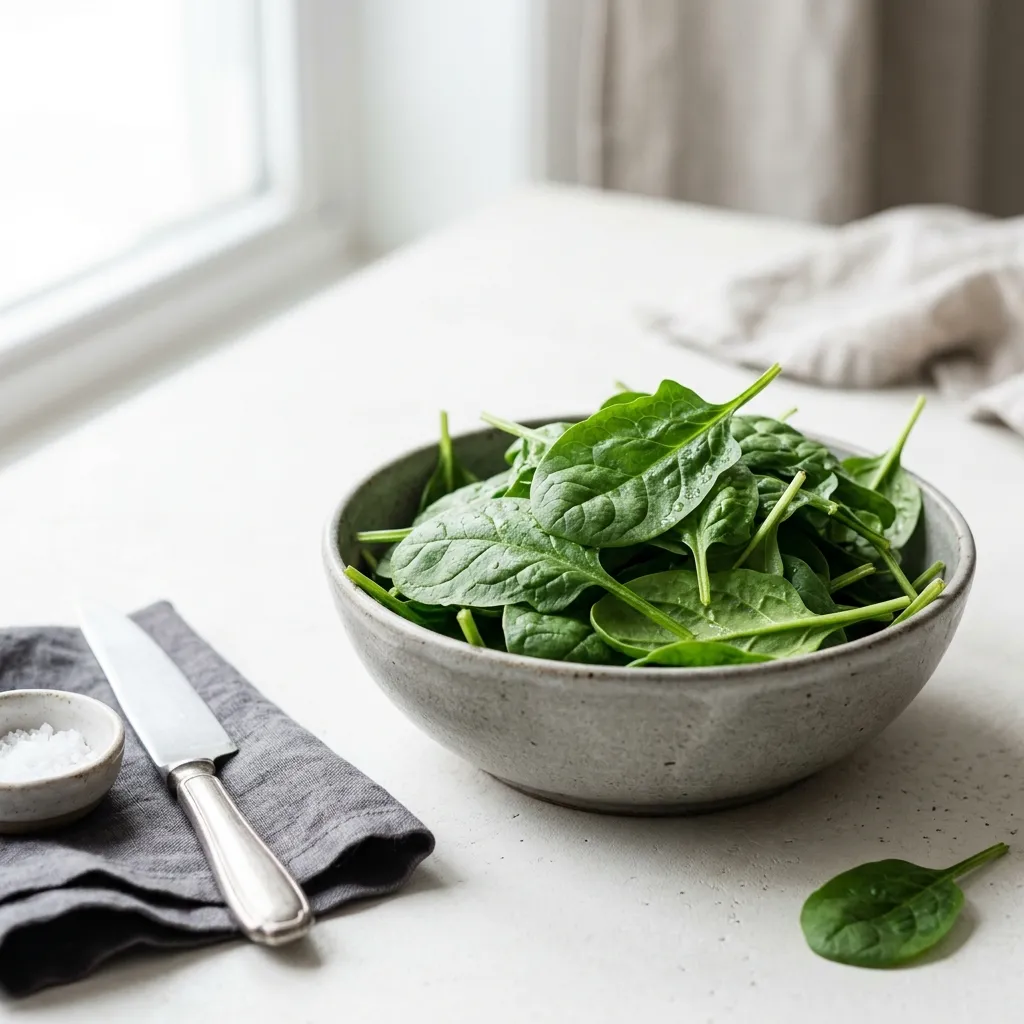
Eating raw spinach often leaves a gritty, chalky feeling on your teeth. This is caused by oxalic acid, a defense chemical. The acid binds with calcium in your saliva to form insoluble calcium oxalate crystals, which stick to your teeth. Cooking spinach breaks down the oxalic acid, eliminating this effect.

Ginger

Ingredient

Ginger

Ginger: Gingerol Compounds, Shogaol Heat, and anti-Emetic Bioactives

Gingerol to Shogaol Shift

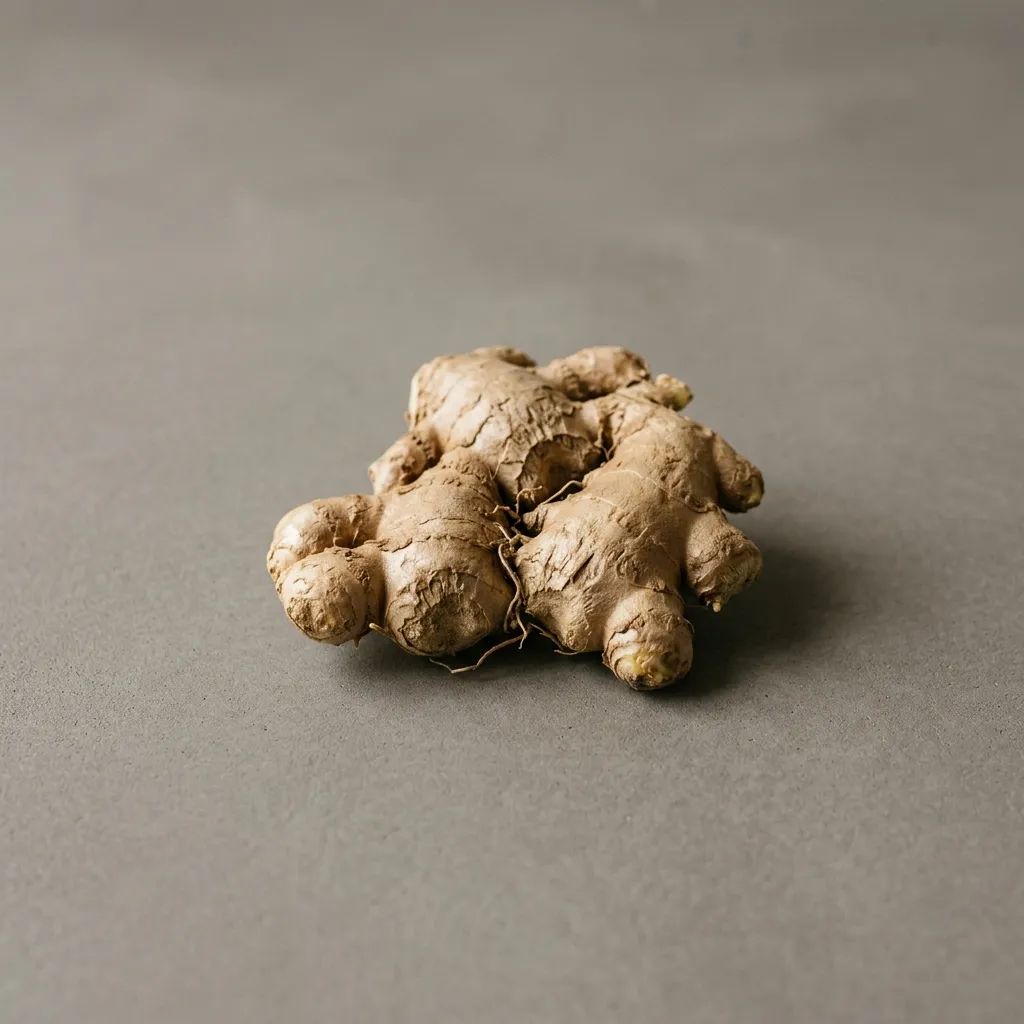
Ginger's pungent kick comes from gingerol. When ginger is dried, gingerols undergo a dehydration reaction, converting into shogaols, which are twice as pungent. When cooked, gingerols convert to zingerone, which is milder and sweeter, explaining why raw, dried, and cooked ginger taste so different.

Turmeric

Ingredient

Turmeric

Turmeric: Curcumin Bioavailability, Piperine Boost, and Ancient Dyes

Low Curcumin Bioavailability

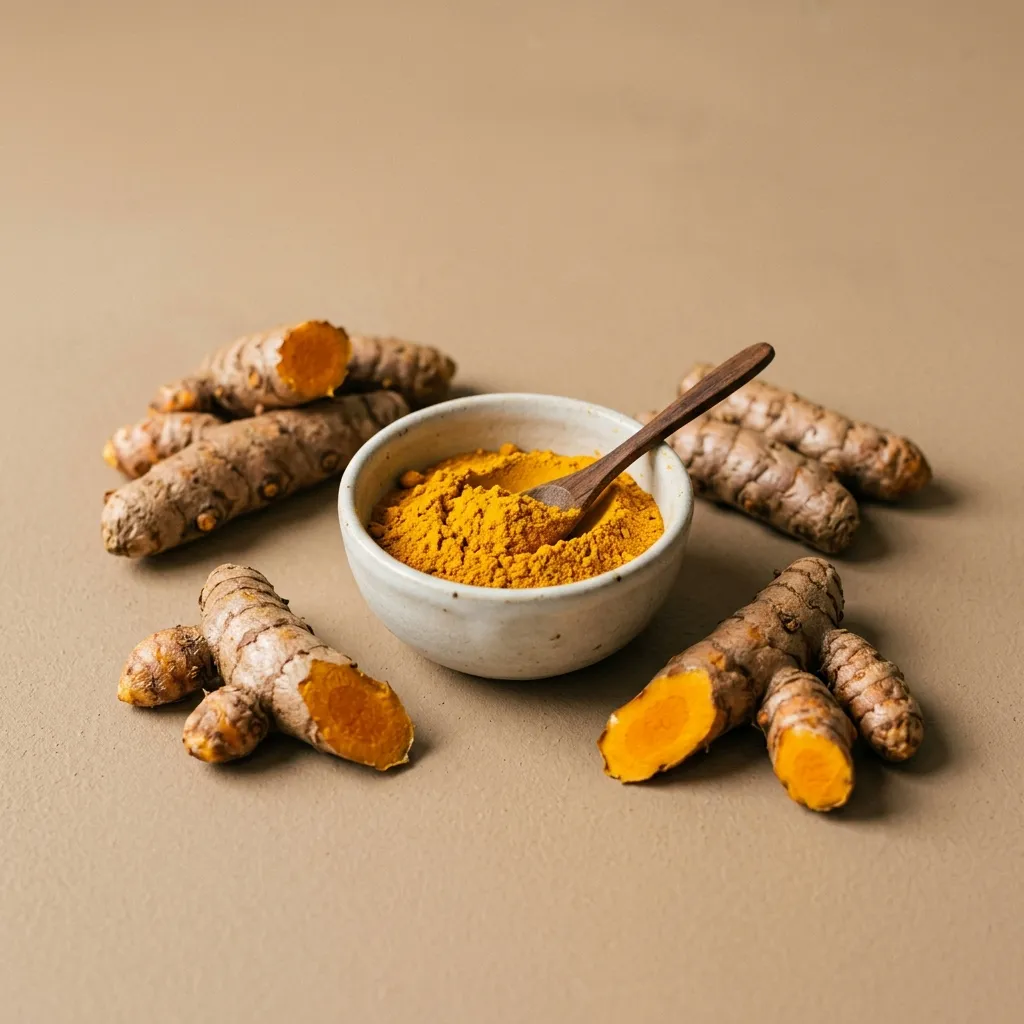
Turmeric's active compound is curcumin, celebrated for its antioxidant properties. However, curcumin has extremely poor bioavailability; it is poorly absorbed by the gut and rapidly metabolized by the liver, meaning eating plain turmeric powder provides little benefit.

Apple

Fruits

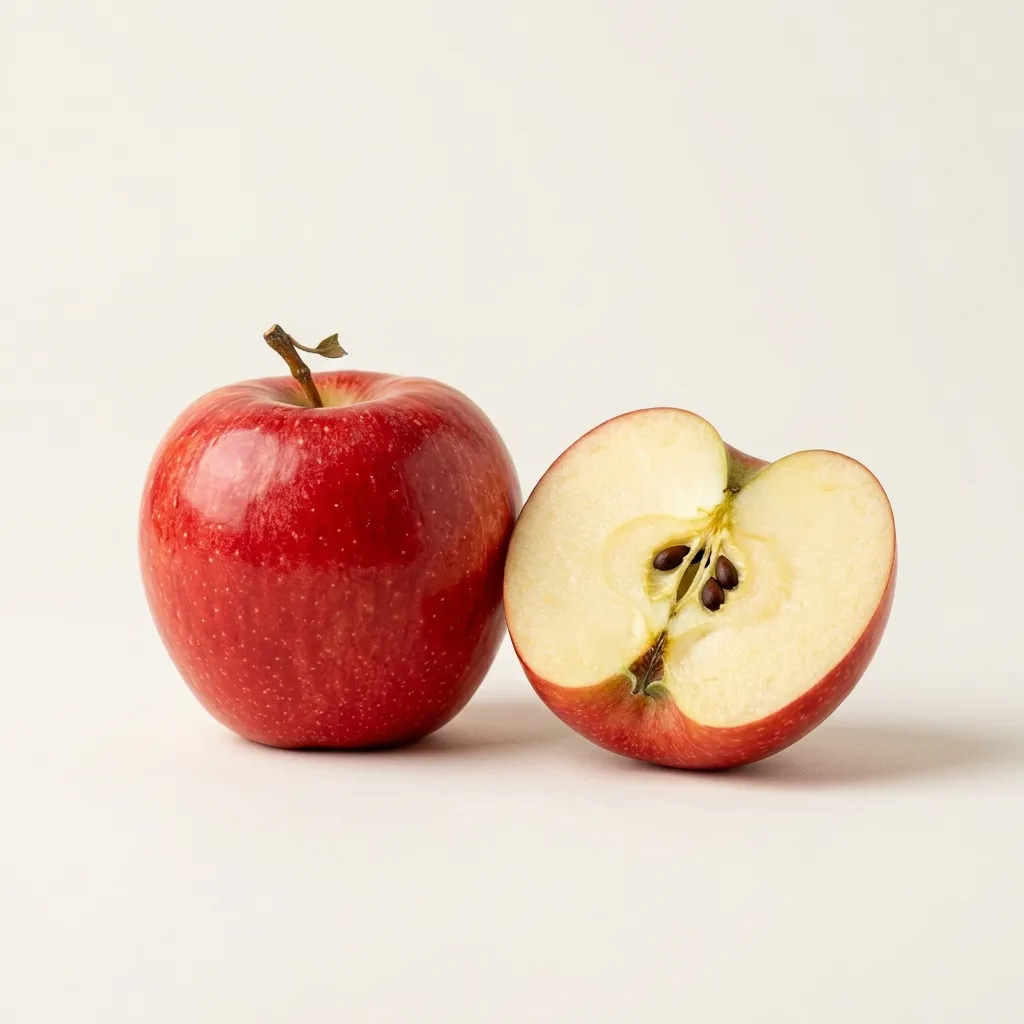
Apple

Malus domestica

Apples: Ethylene Gas Ripening, Seed Cyanide, and Natural Wax Coats

Ethylene Gas Production

Apples are heavy producers of ethylene, the gaseous hormone that triggers ripening. If you place a ripe apple in a bowl with unripe bananas or avocados, the ethylene gas will speed up their ripening. Conversely, storing apples together for too long can cause them to rot rapidly.

Blueberry

Fruits

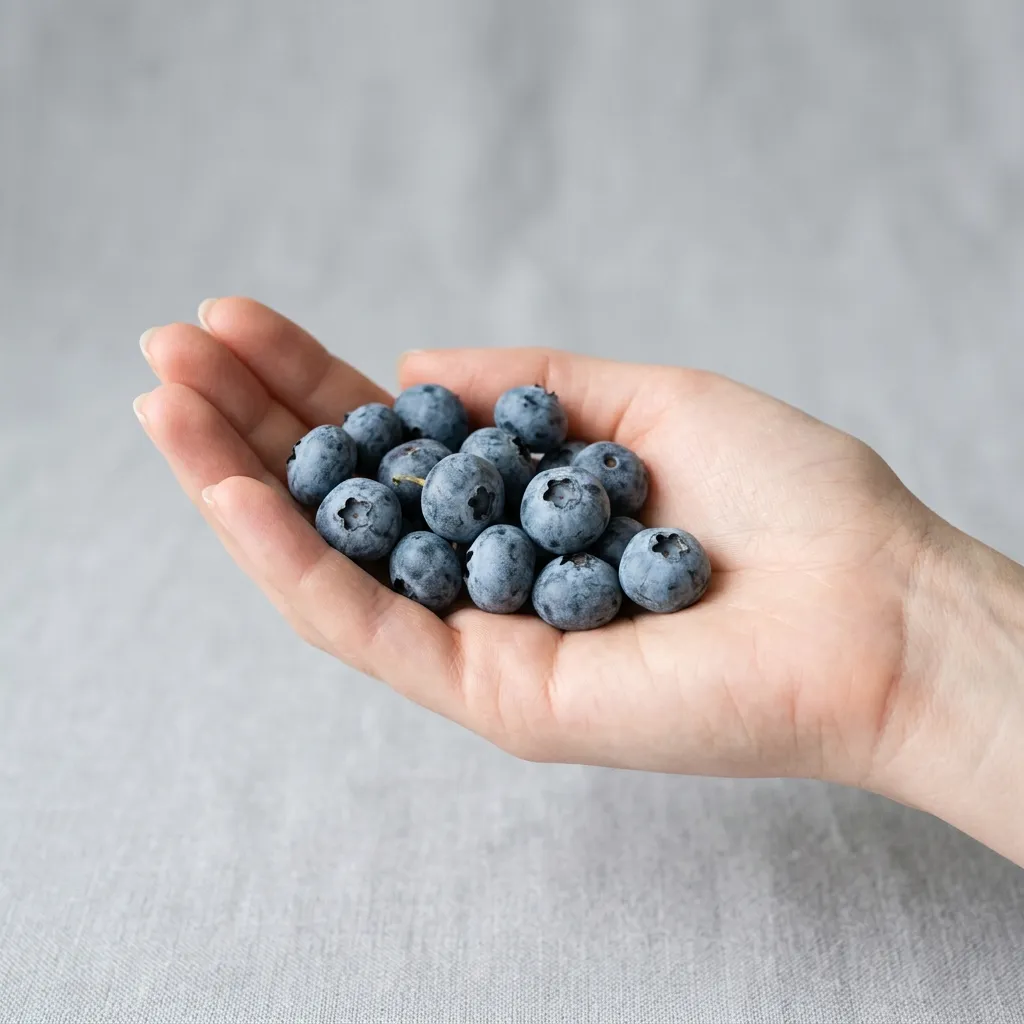
Blueberry

Blueberry (Berries variety)

Blueberries: Epicuticular Bloom, Anthocyanin Anthocyanins, and Wild Roots

The White Epicuticular Bloom

Fresh blueberries have a dusty, white-silvery coating called the 'bloom.' This bloom is a natural wax barrier that protects the delicate fruit from pests, bacterial decay, and moisture loss. It is a sign of freshness; the bloom wears off as the berries are handled and age.

Coconut

Ingredient

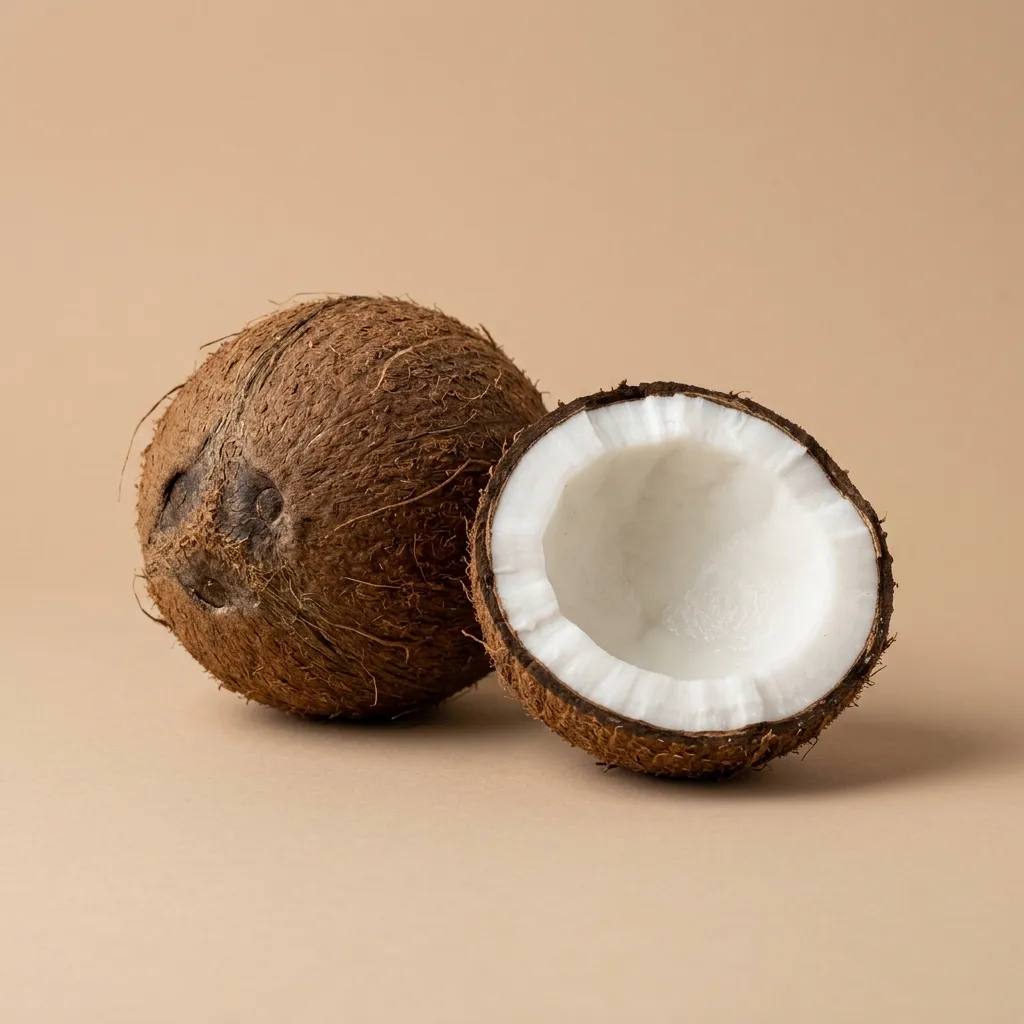
Coconut

Coconuts: MCT Lauric Acid, Water Osmosis, and Floating Dispersals

Lauric Acid MCTs

Over 60% of the fat in coconut oil consists of Medium-Chain Triglycerides (MCTs), primarily lauric acid. Unlike long-chain fats, MCTs are absorbed directly from the gut and transported to the liver, where they are immediately converted into energy or ketones, making them less likely to be stored as body fat.

Mango

Fruits

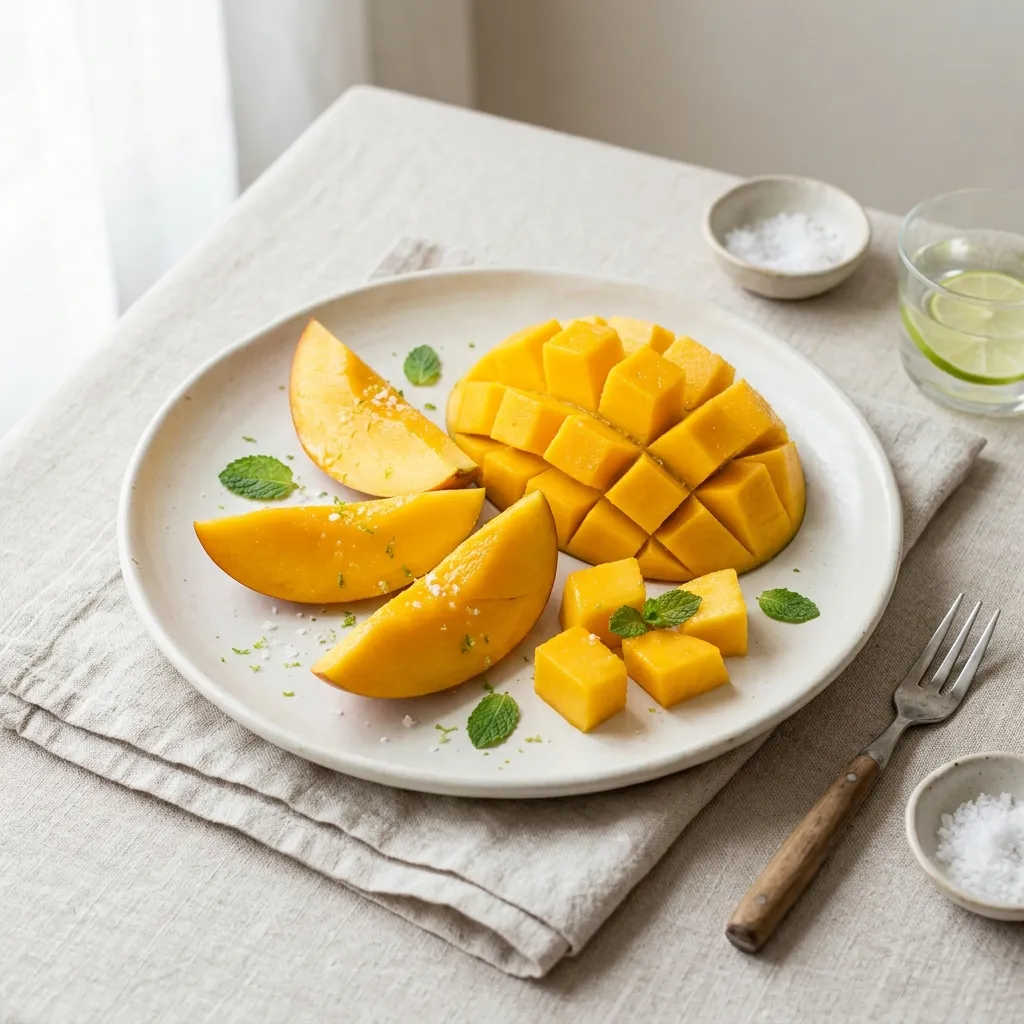
Mango

Mangifera indica

Mangoes: Urushiol, Ripening Chemistry, and Global Royalty

The Poison Ivy Connection

Mangoes belong to the Anacardiaceae family, which also includes poison ivy and poison oak. Mango skin and sap contain urushiol, the organic chemical compound that causes contact dermatitis (allergic rashes). While the sweet pulp itself is free of urushiol, sensitive individuals can get a rash from peeling or biting into fresh mango skin, often called 'mango mouth.'

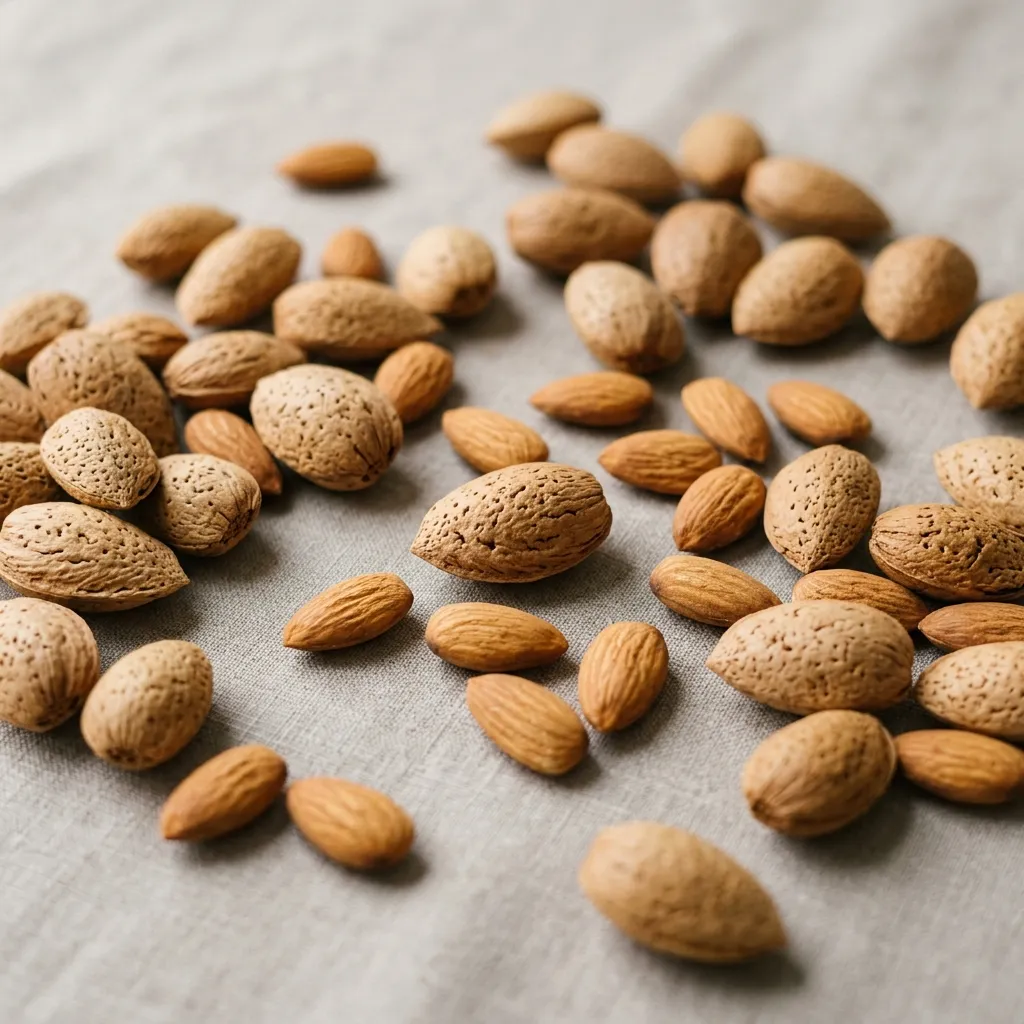
Almond

Nuts

Almond

Prunus dulcis

Almonds: Cyanide Defense, Wild Poison, and Bee Symbiosis

The Cyanide Defense

Raw bitter almonds contain amygdalin, a chemical compound that breaks down into hydrogen cyanide when chewed. Eating just 10โ€“20 raw bitter almonds can be fatal to an adult. However, the almonds we buy in supermarkets are sweet almonds (Prunus dulcis), which carry a genetic mutation that prevents them from producing amygdalin, making them completely safe.

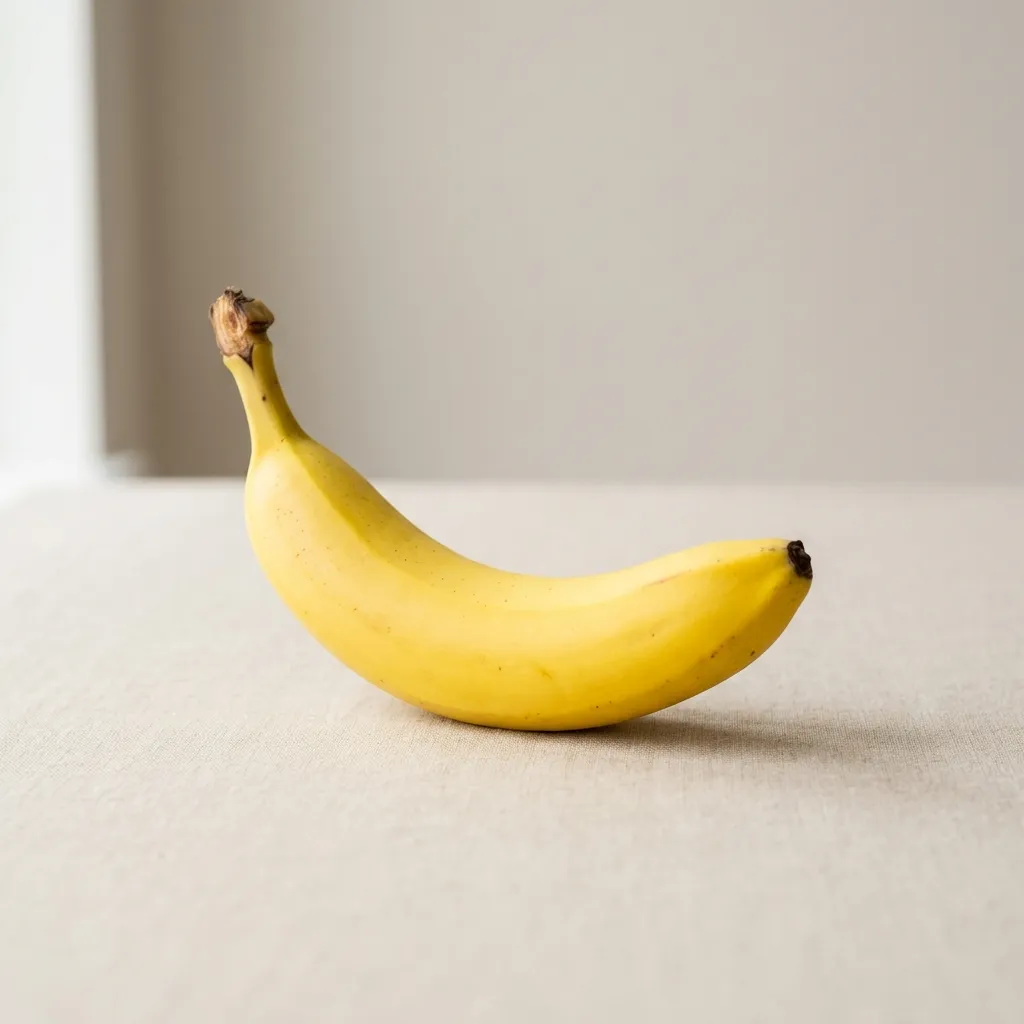
Banana

Fruits

Banana

Banana (Tropical variety)

Bananas: Radiation, Ethylene Ripening, and the Cavendish Clone

The Banana Equivalent Dose (BED)

Bananas are naturally rich in Potassium-40, a radioactive isotope. Eating a single banana exposes you to approximately 0.1 microsieverts of radiation. You would need to eat roughly 10 million bananas at once to receive a lethal dose of radiation, but the radioactivity is high enough that trucks carrying bananas occasionally trigger false alarms at port radiation detectors.

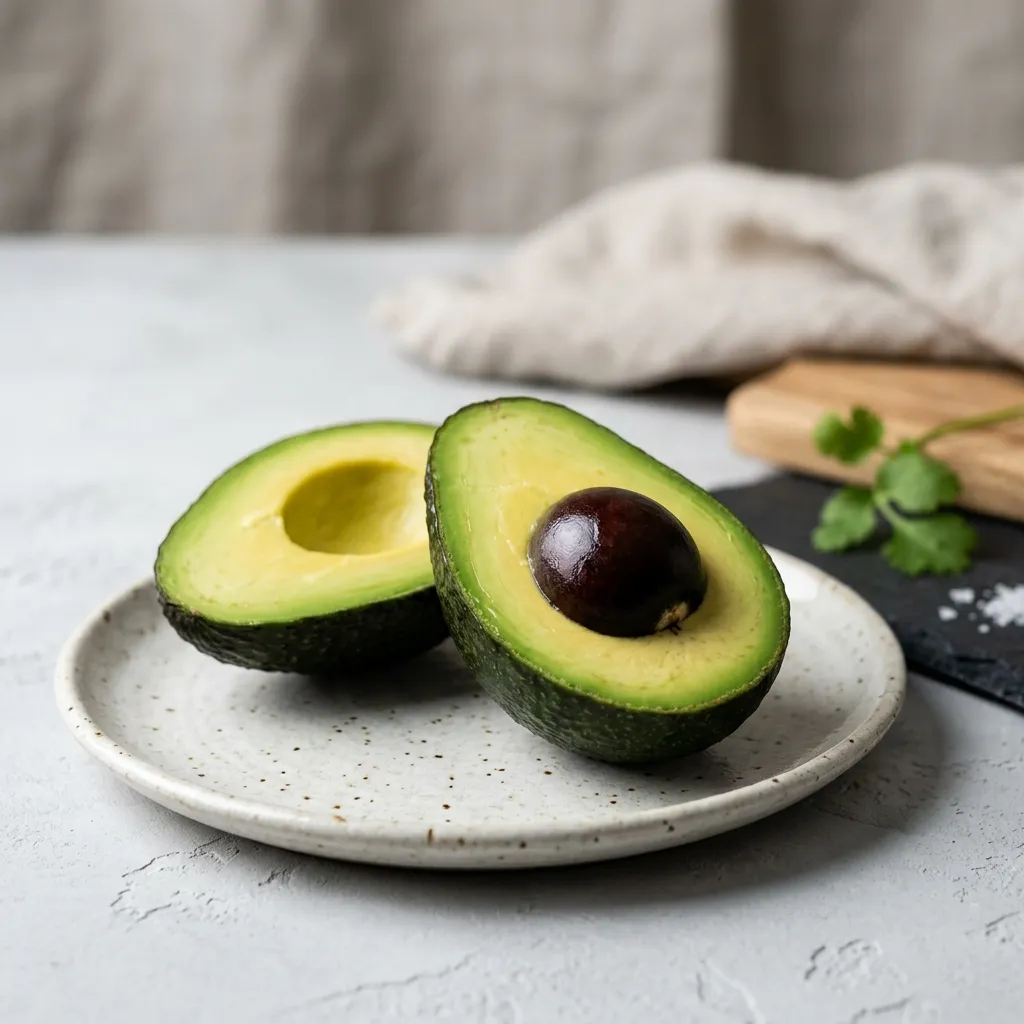
Avocado

Fruits

Avocado

Persea americana

Avocados: Botanical Anomalies, Persin Toxicity, and Fat Density

Botanical Berry

Despite its savory culinary usage, the avocado is botanically a single-seeded berry. It evolved during the Cenozoic era to be eaten and dispersed by now-extinct megafauna like giant ground sloths, which swallowed the large pit whole.

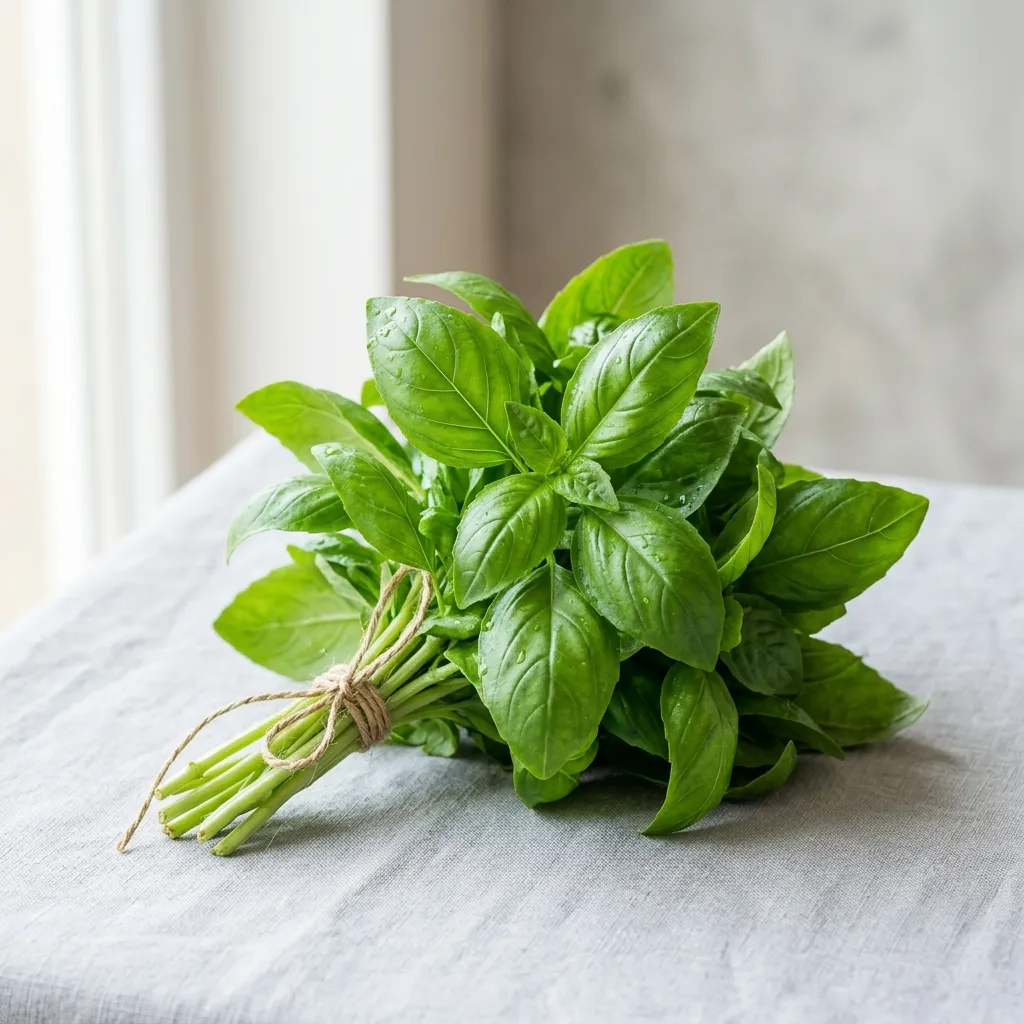
Basil

Herbs

Basil

Ocimum basilicum

Basil: Volatile Aromas, Polyphenols, and Sacred Tulsi

Volatile Terpenes

Sweet basil's distinct aroma comes from complex volatile organic compounds, primarily linalool (floral, woody note), estragole (anise-like sweetness), and eugenol (clove-like spice). Ripping basil leaves bruises the cells and releases these compounds instantly, which is why it should be torn rather than chopped to preserve its color and aromatics.

Tofu

Legumes & Pulses

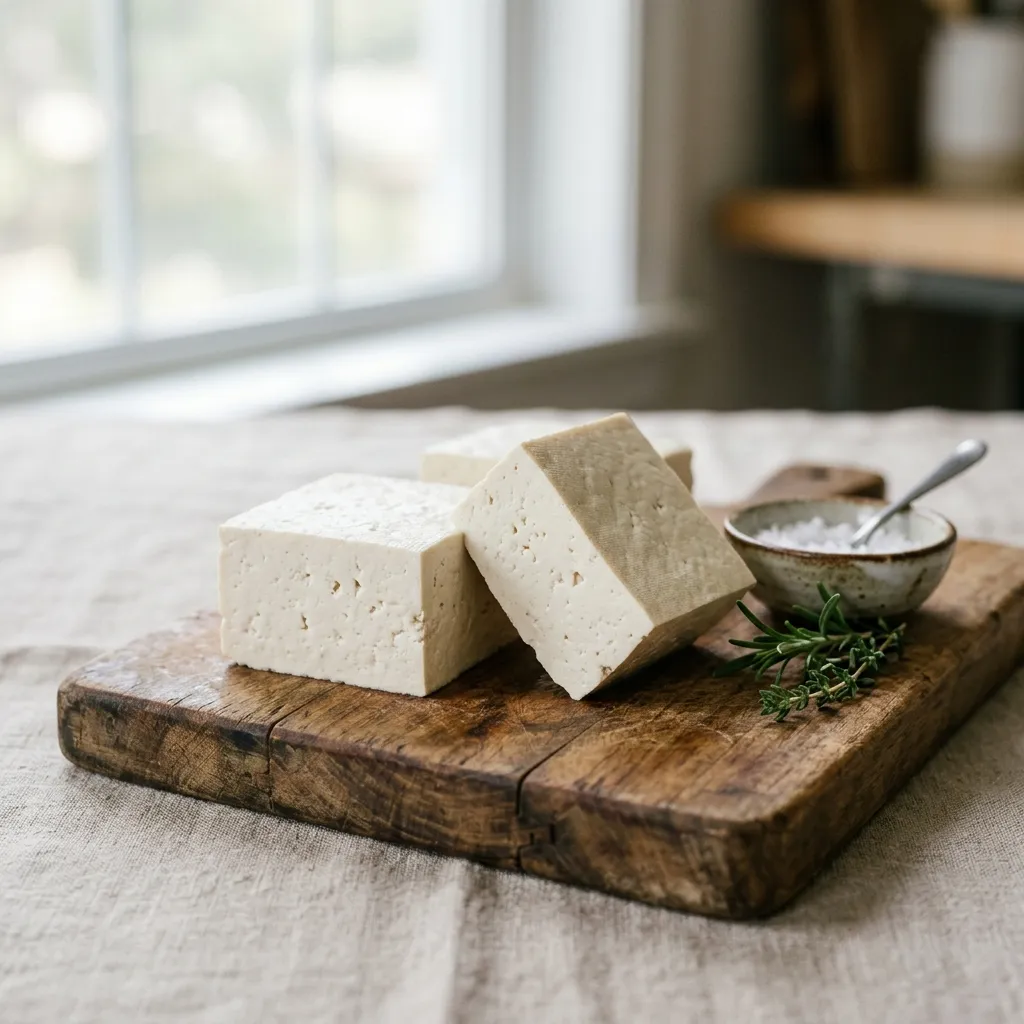
Tofu

Glycine max curd

Tofu: Coagulation Chemistry, Isoflavones, and Ancient Preservation

Coagulation Chemistry

Tofu is made by curdling fresh soy milk and pressing the curds into blocks. The curdling process is a chemical reaction triggered by coagulants: gypsum (calcium sulfate) yields soft, sweet tofu, while nigari (magnesium chloride) yields firm, slightly sweet tofu. The mineral salts cross-link the soy proteins, trapping water inside a gel matrix.

Nori

Seaweeds & Algae

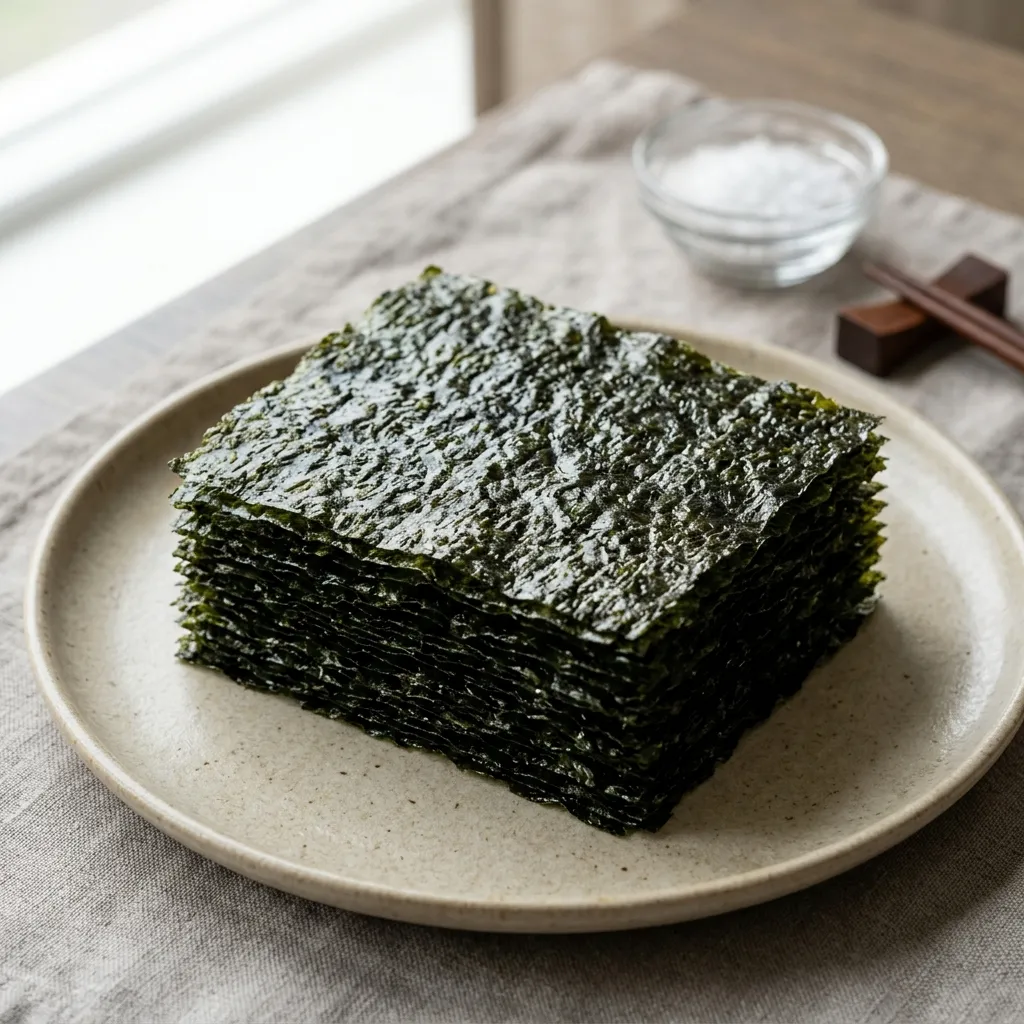
Nori

Pyropia yezoensis

Nori: Porphyran Enzymes, Marine Iodine, and the Kathleen Drew Discovery

The Gut Microbiome Mutation

Nori seaweed (Pyropia) contains a unique sulfated polysaccharide called porphyran. While most humans cannot digest porphyran, researchers discovered that Japanese populations carry specialized marine bacteria-derived genes in their gut microbiomes that allow them to break down nori fiber, a genetic trait likely acquired through centuries of raw seaweed consumption.

Garlic

Vegetables

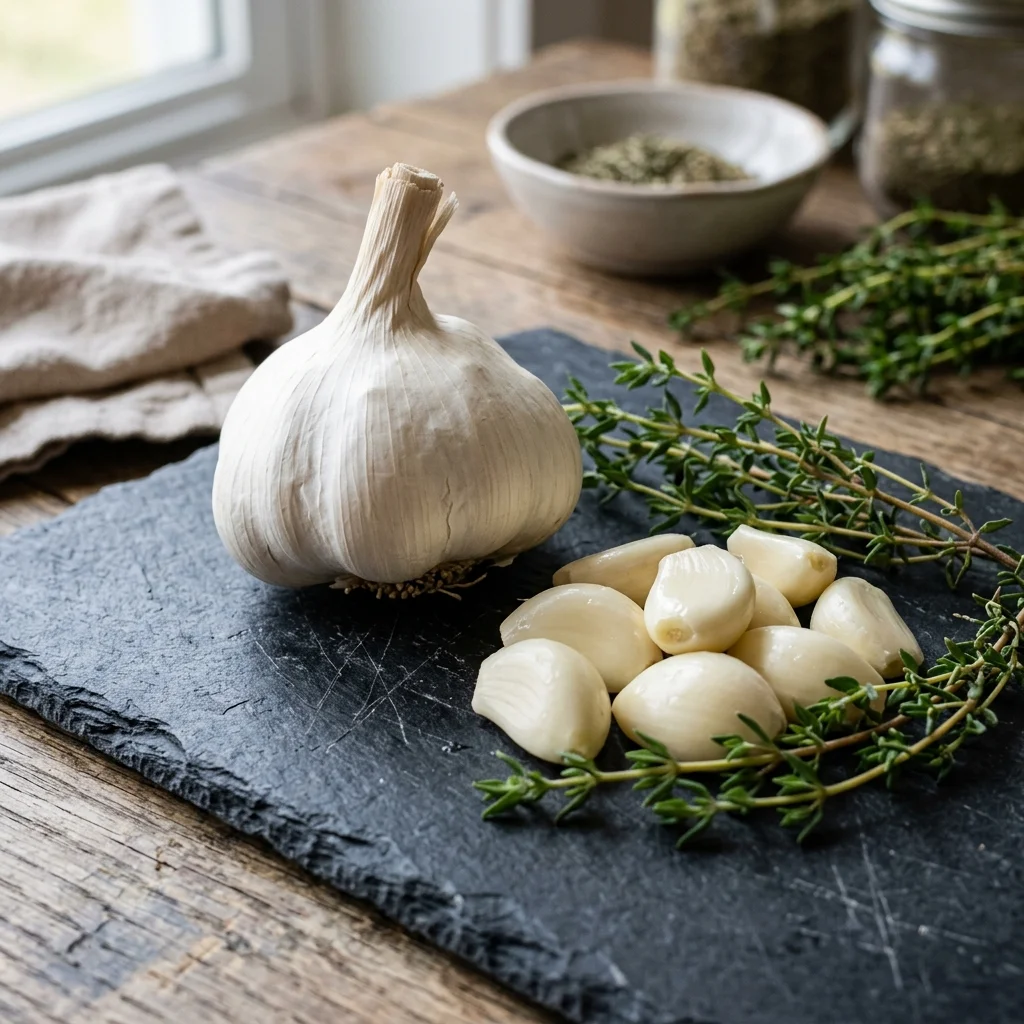
Garlic

Allium sativum

Garlic: Allicin Chemistry, Bad Breath, and Antimicrobial Action

The Allicin Reaction

Whole garlic cloves contain no smell or hot flavor. They store an enzyme called alliinase and an amino acid called alliin in separate cellular compartments. When you crush, chop, or chew garlic, the cell walls break, allowing the two compounds to meet and produce allicin โ€” a sulfur compound that gives garlic its sharp bite and antibacterial properties.

Salmon

Seafood โ€” Fish

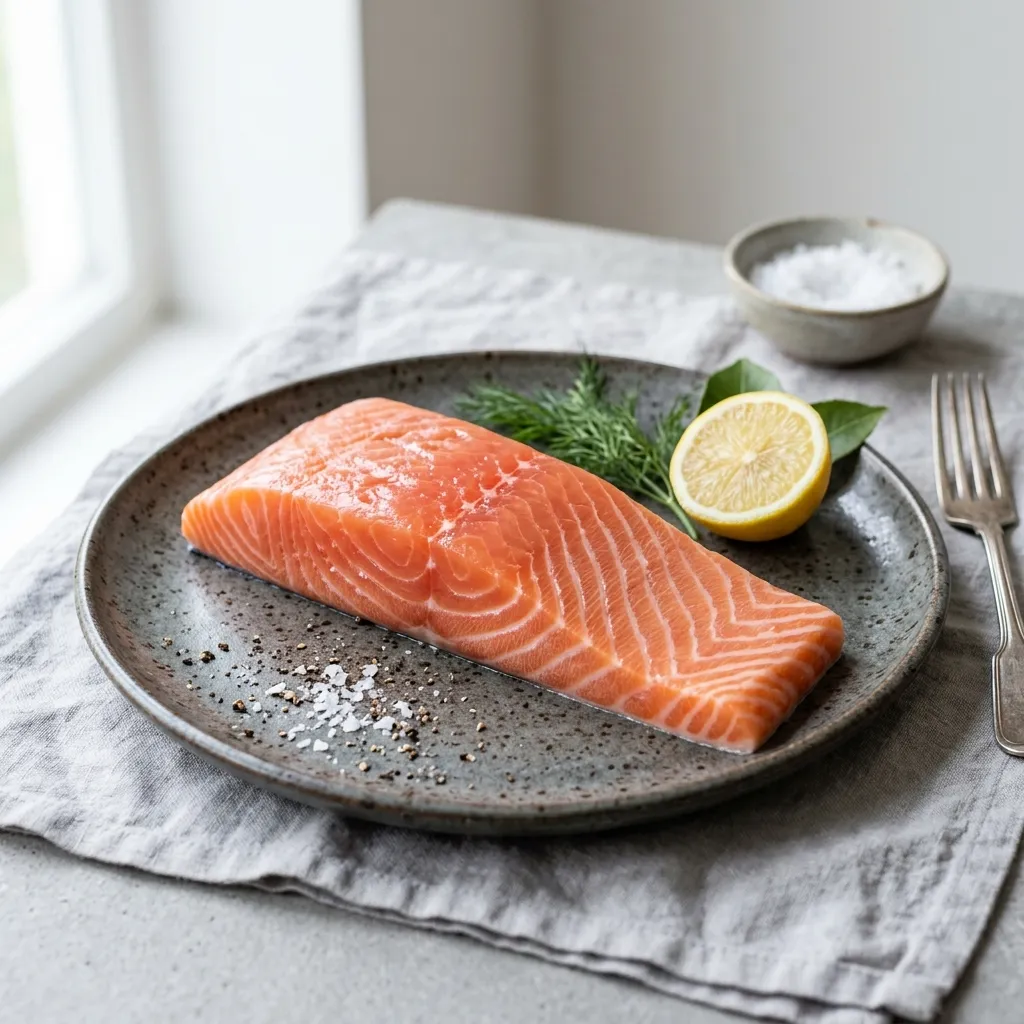
Salmon

Salmo salar / Oncorhynchus spp.

Salmon: Astaxanthin Pink, Upriver Navigation, and Omega-3 Synthesis

The Astaxanthin Pigment

Salmon are born white. Their vibrant pink-orange color comes from eating krill and small crustaceans containing astaxanthin, a powerful carotenoid antioxidant. Farmed salmon are fed synthetic astaxanthin (matching wild molecules) to achieve the signature pink color, without which the flesh would remain grey.

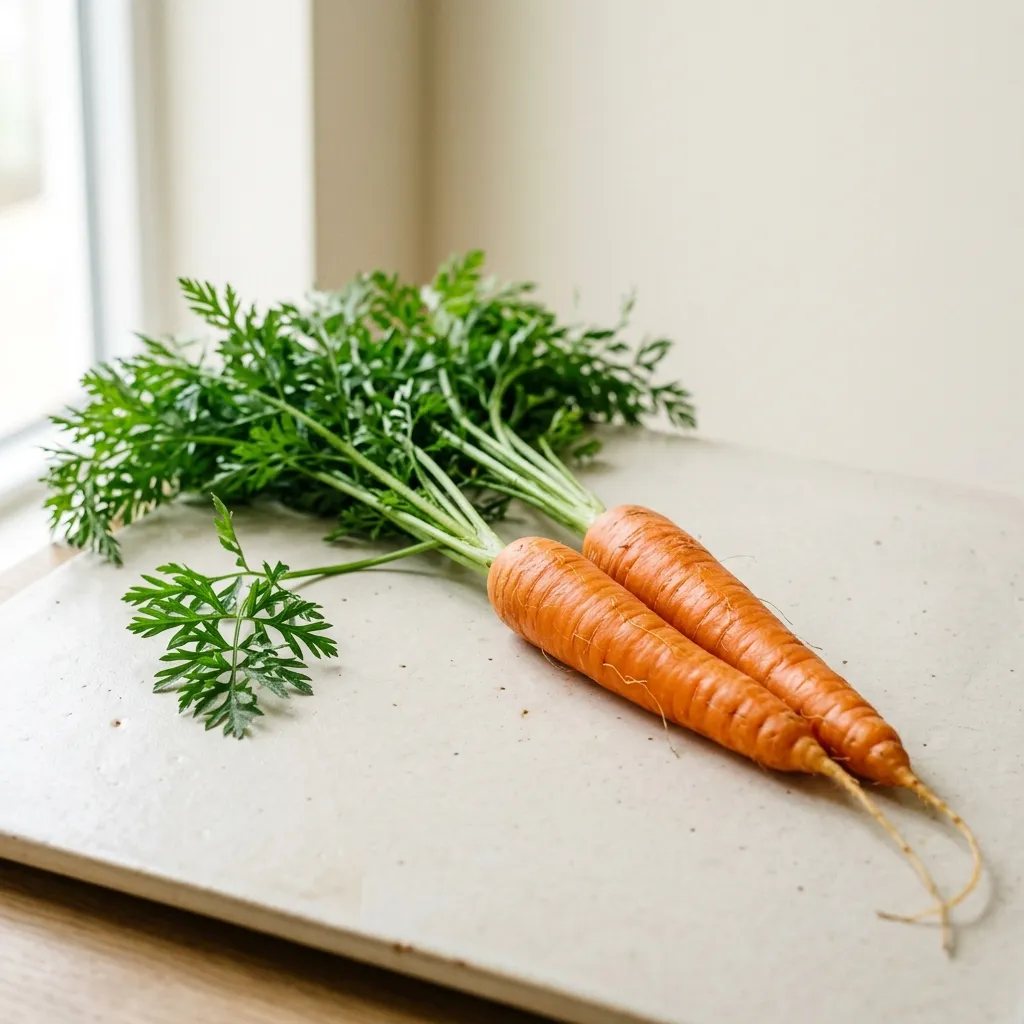
Fresh orange carrots

Food Highlight

Carrot

Daucus carota

The Retinal-Rhodopsin Engine: In the eye, retinol is converted to retinal, which binds to a protein called rhodopsin.

โ˜€๏ธ

Photon Hit: When a photon of light hits retinal, it instantly changes the moleculeโ€™s physical shape. This triggers an electrical impulse down the optic nerve, allowing the brain to perceive light.

This exact retinal-rhodopsin system evolved independently across different species, from basic eyespots to complex human eyes.

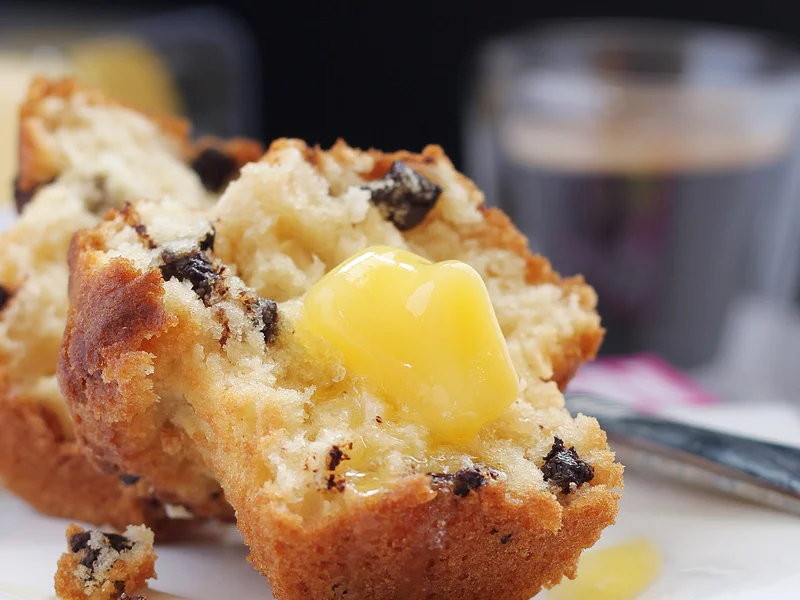
Ghee clarified butter

Food Highlight

Ghee

Clarified Butterfat

Ghee is the clarified fat of milk, butter, or yogurt. To make it, we melt butter and gently simmer it until all water content evaporates, separating the pure fat from protein residues.

Blue Whale

~50% Fat

Buffalo Milk

7% โ€“ 10% Fat

Cow Milk

3% โ€“ 5% Fat

Bitter Gourd

Vegetables

Bitter Gourd

Momordica charantia

Bitter Gourd: Momordicina, Blood Sugar Chemistry, and Salting Science

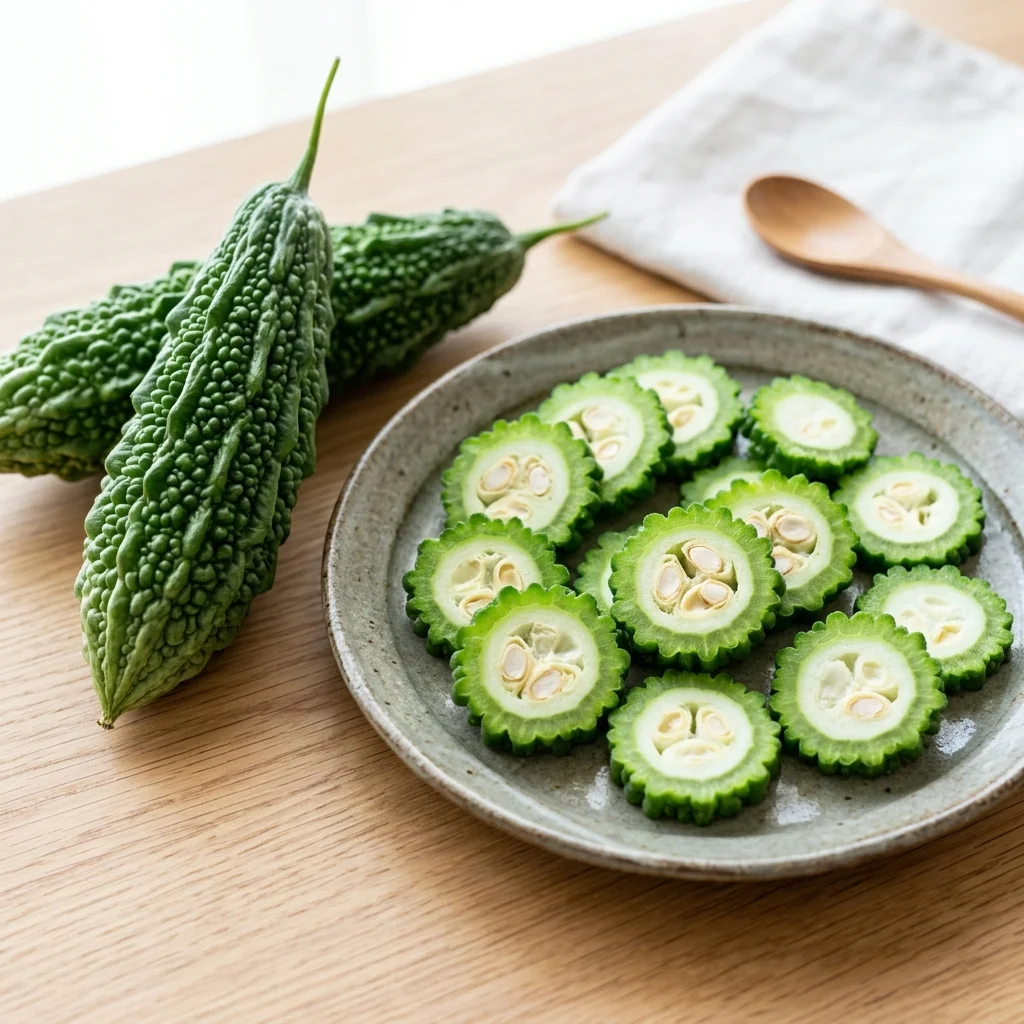
The Bitter Alkaloid (Momordicina)

Bitter gourd gets its characteristic bitter taste from momordicina, a group of triterpene compounds. This compound acts as a natural defense system for the plant against herbivores. While highly bitter, momordicina has been shown to support digestive health by stimulating bile flow.

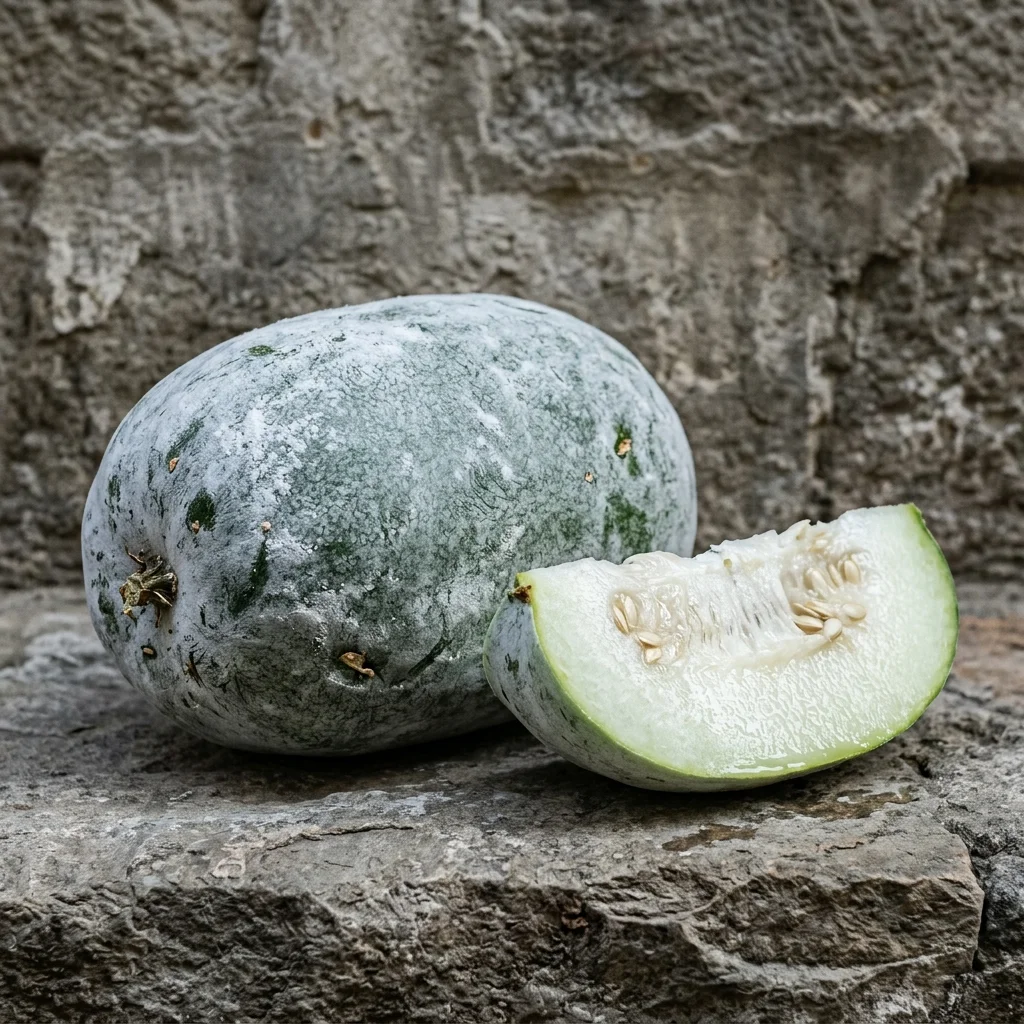
Ash Gourd

Vegetables

Ash Gourd

Benincasa hispida

Ash Gourd: The Alkaline Cooler, High Hydration, and Petha Candy Chemistry

The Alkaline Giant

Ash gourd is one of the most alkaline vegetables known. Consuming ash gourd juice raw is a traditional Ayurvedic practice to neutralize excess stomach acids and soothe the digestive tract, promoting gut alkalinity.

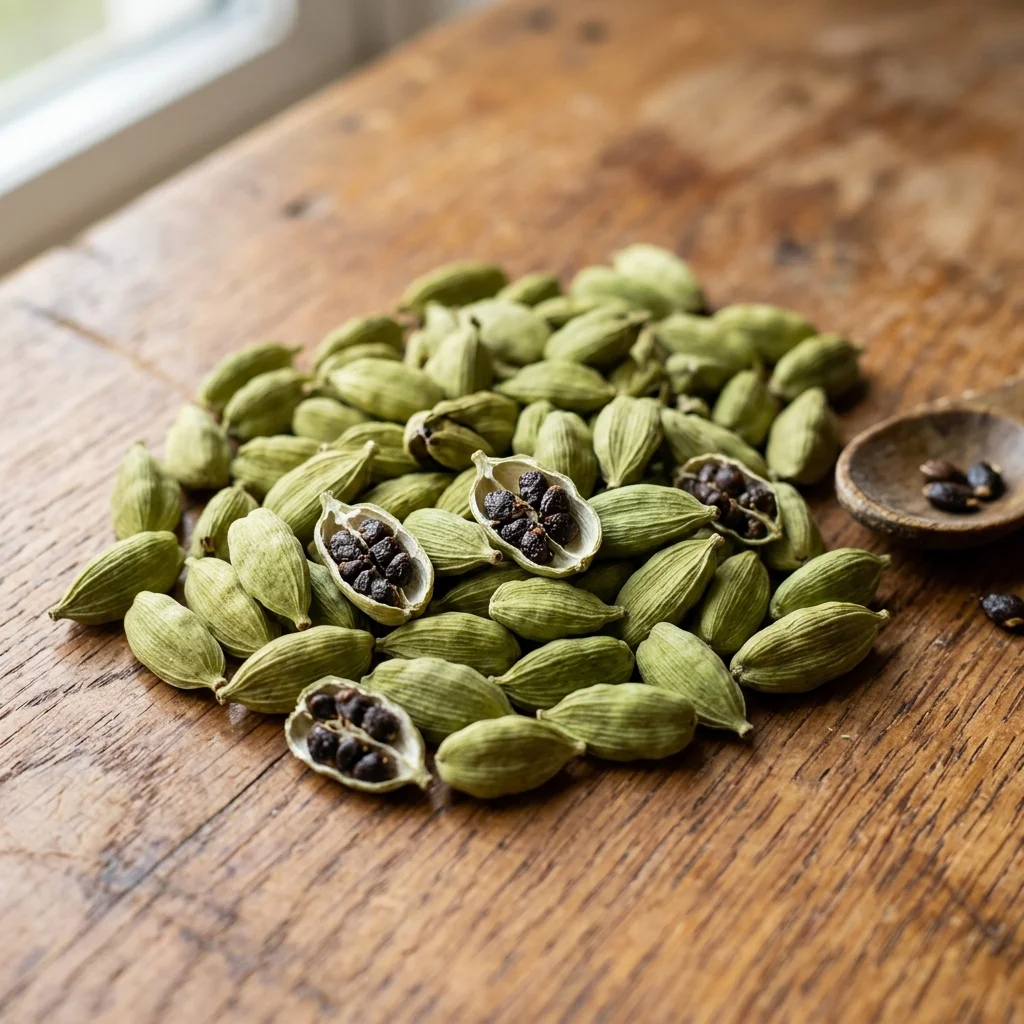
Cardamom

Spices & Seasonings

Cardamom

Elettaria cardamomum

Cardamom: Queen of Spices, and Cineole Science

The Cineole freshness

Cardamom owes its sweet, cooling, camphor-like aroma to 1,8-cineole (eucalyptol) and alpha-terpinyl acetate. Cineole has antimicrobial properties and acts as a mild expectorant, explaining why cardamom has been used as a natural breath freshener for centuries.

Clove

Spices & Seasonings

Clove

Syzygium aromaticum

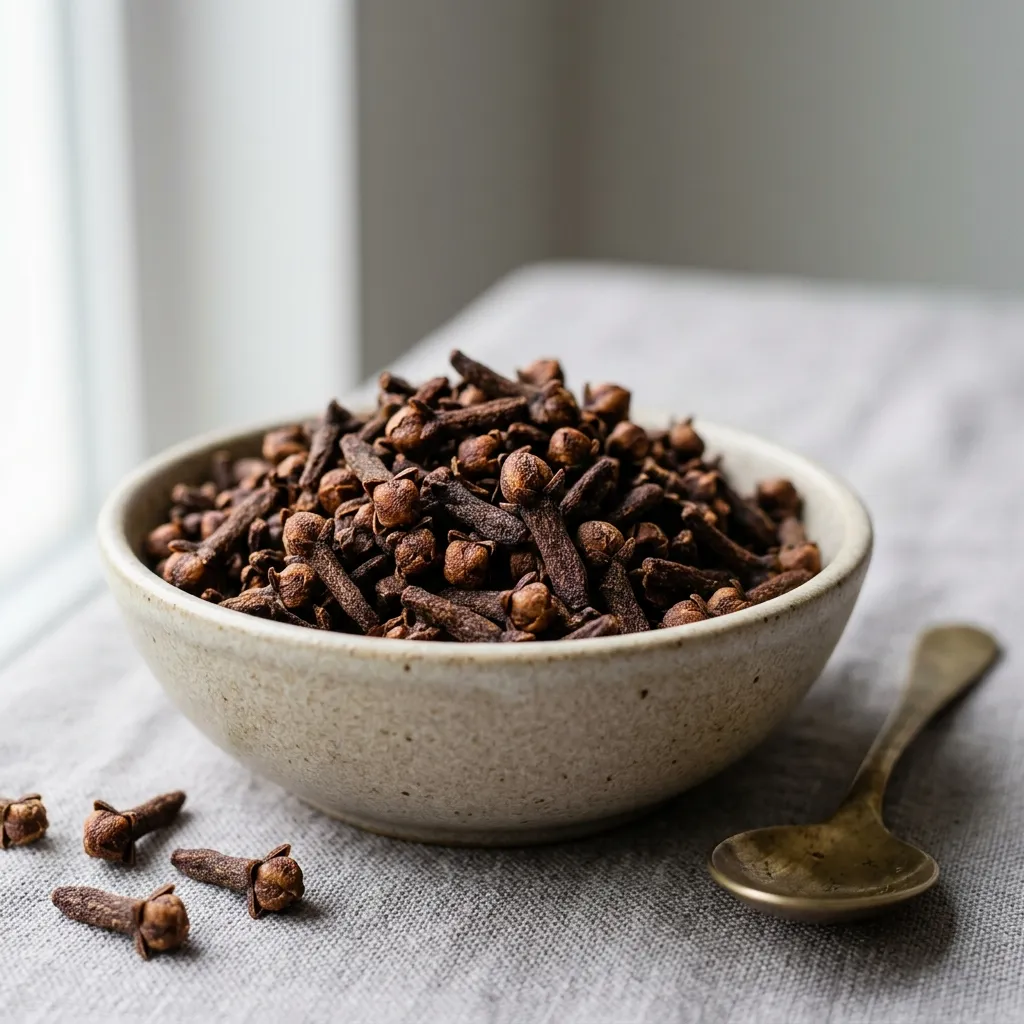
Cloves: Eugenol Chemistry, Ancient Dental Anesthetic, and Antioxidant Power

Eugenol Numbing

Cloves contain a high concentration of eugenol, a volatile phenolic compound that acts as a natural local anesthetic and antiseptic. Placing a whole clove next to an aching tooth has been a household remedy for toothaches for generations.

Cumin Seed

Spices & Seasonings

Cumin Seed

Cuminum cyminum

Cumin: Cuminaldehyde, Iron Density, and Tempering Science

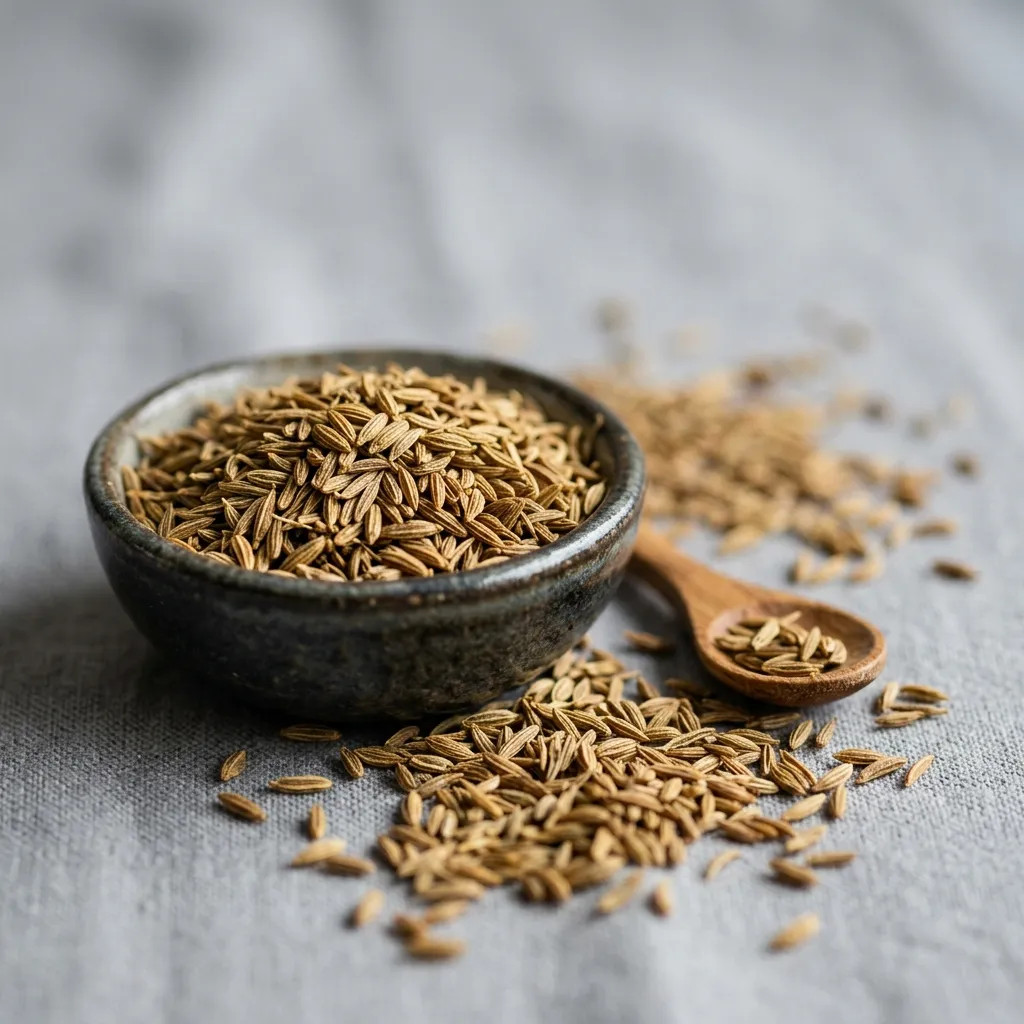
Cuminaldehyde Aroma

The distinct warm, earthy aroma of cumin is due to cuminaldehyde. This compound stimulates salivary glands and activates digestive enzymes, kickstarting the digestive process before food even enters the stomach.

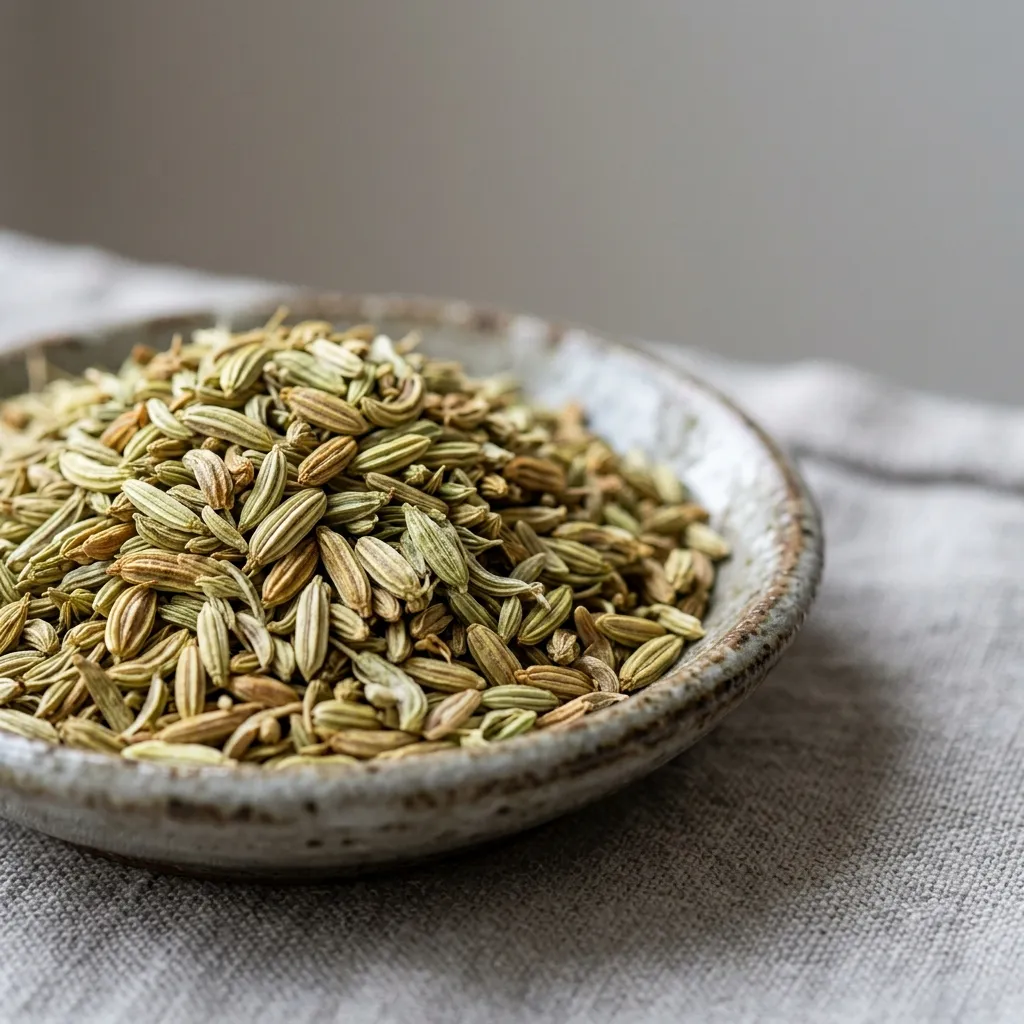
Fennel Seed

Spices & Seasonings

Fennel Seed

Foeniculum vulgare seed

Fennel Seeds: Anethole Sweetness, Post-Meal Science, and Essential Oils

Anethole Sweetness

Fennel seeds have a sweet, licorice-like flavor due to the organic compound anethole. Anethole is structurally similar to sweetness receptors, giving the seeds a sweet taste without any sugar content.

Bay Leaf

Herbs

Bay Leaf

Laurus nobilis

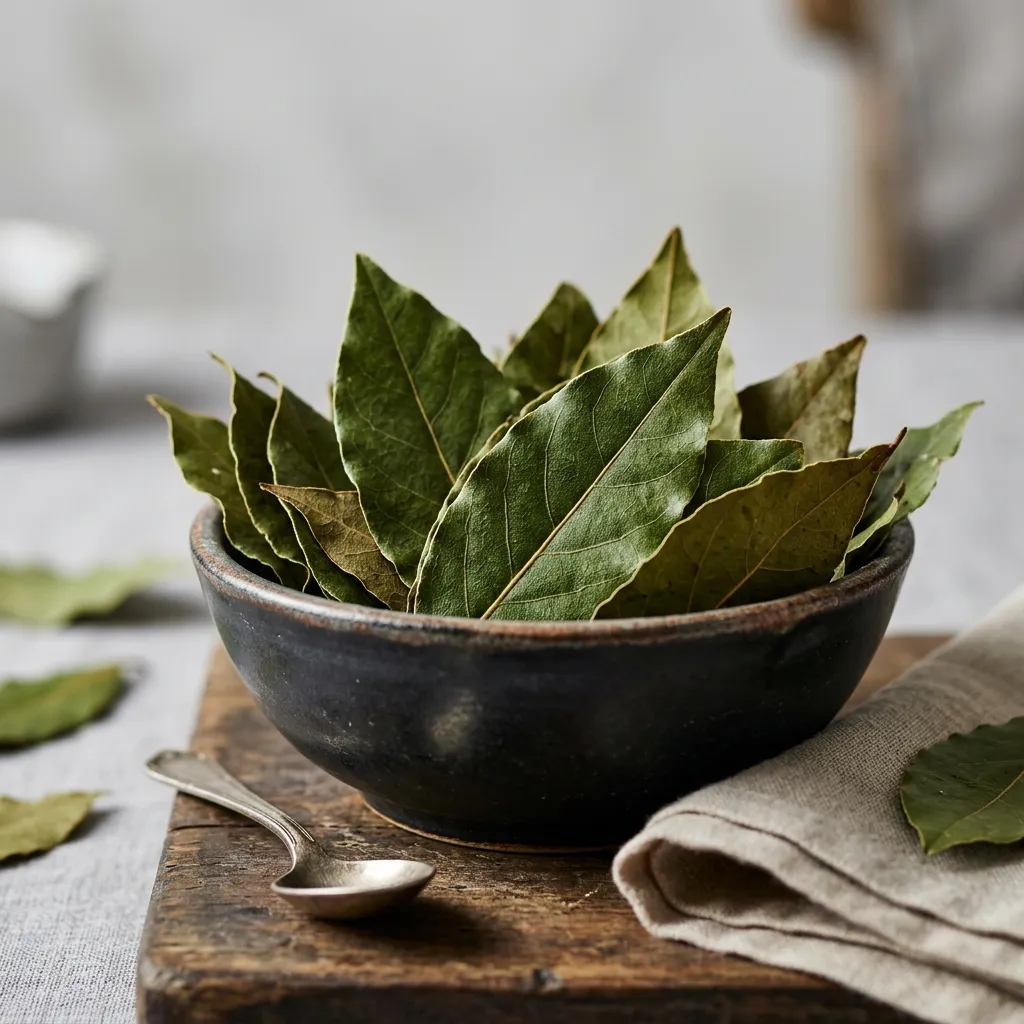
Bay Leaf: Cineole Infusion, the Particulate Hazard, and Slow-Cook Release

Why We Don't Eat the Leaf

Bay leaves are added whole to dishes and removed before serving because they remain rigid and sharp even after hours of cooking. Eating a whole bay leaf poses a physical hazard, as the tough leaf can scratch or tear the digestive tract.

Lotus Root

Vegetables

Lotus Root

Nelumbo nucifera

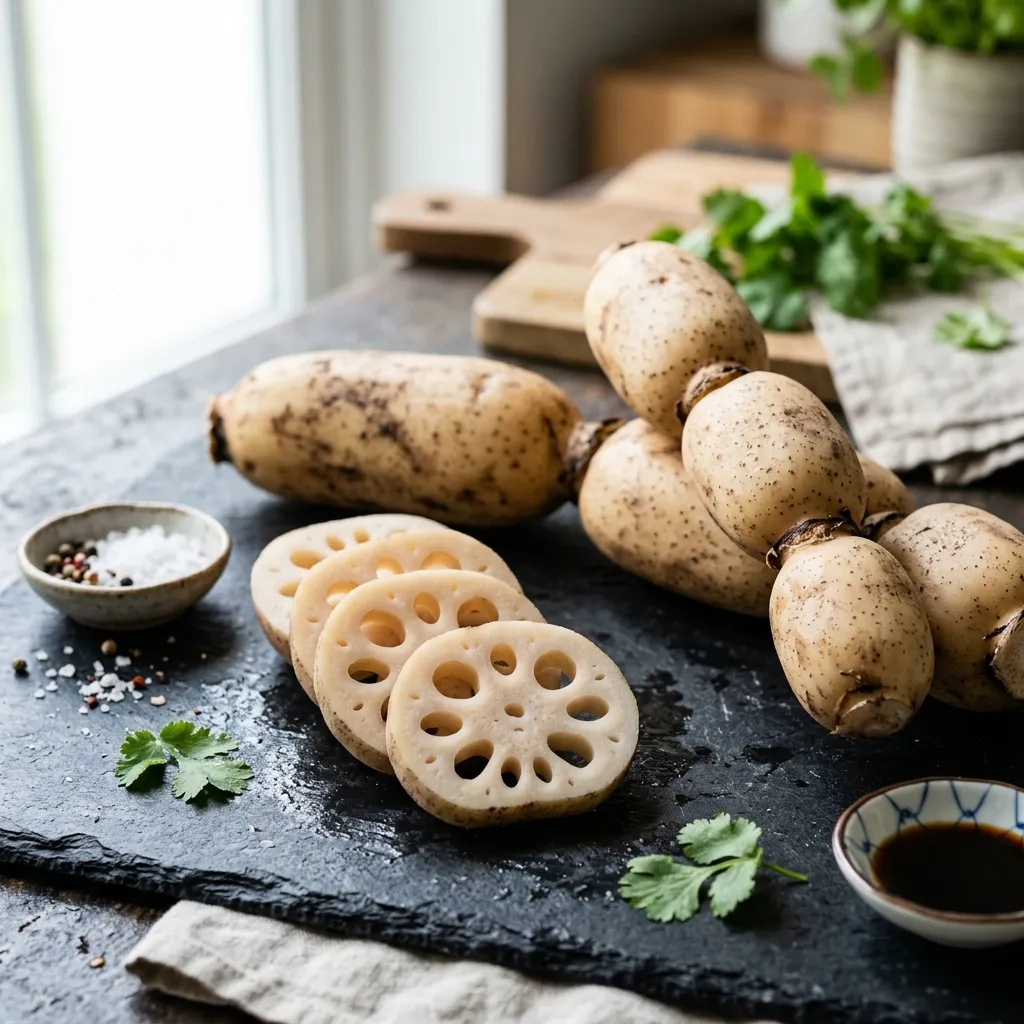
Lotus Root: Air Chamber Engineering, Pectin Crunch, and Starch Content

Air Chamber Engineering

When sliced, lotus root reveals a beautiful pattern of hollow chambers. These holes form an intercellular air space system (aerenchyma) that allows oxygen to travel from the floating leaves down to the muddy root buried underwater.

Ivy Gourd

Vegetables

Ivy Gourd

Ivy Gourd (Gourds variety)

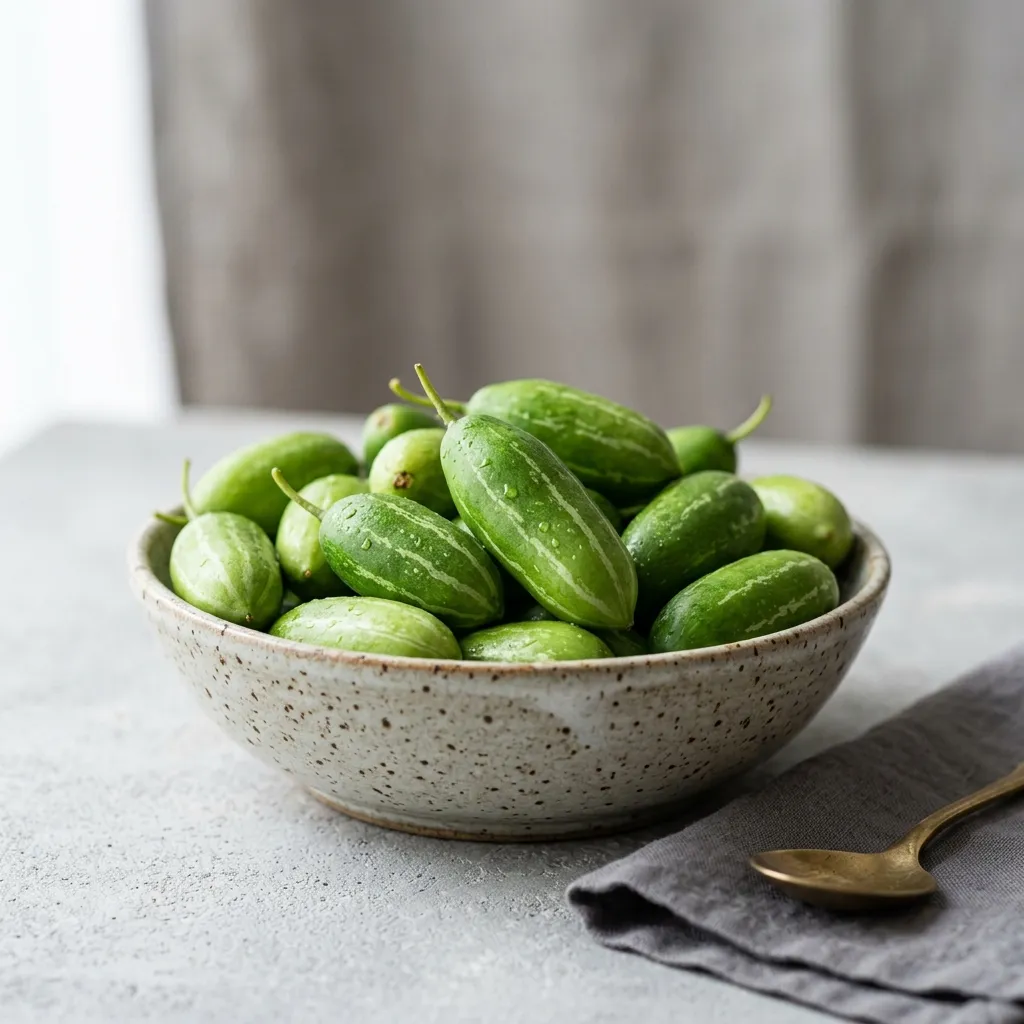
Ivy Gourd: Low Glycemic Load, Saponins, and Skin Health

Glycemic Controller

Ivy gourd (Tindora) has a very low glycemic index and load. Clinical studies suggest that extracts from the ivy gourd plant mimic insulin-like activity, helping to lower fasting blood sugar levels in diabetic patients.

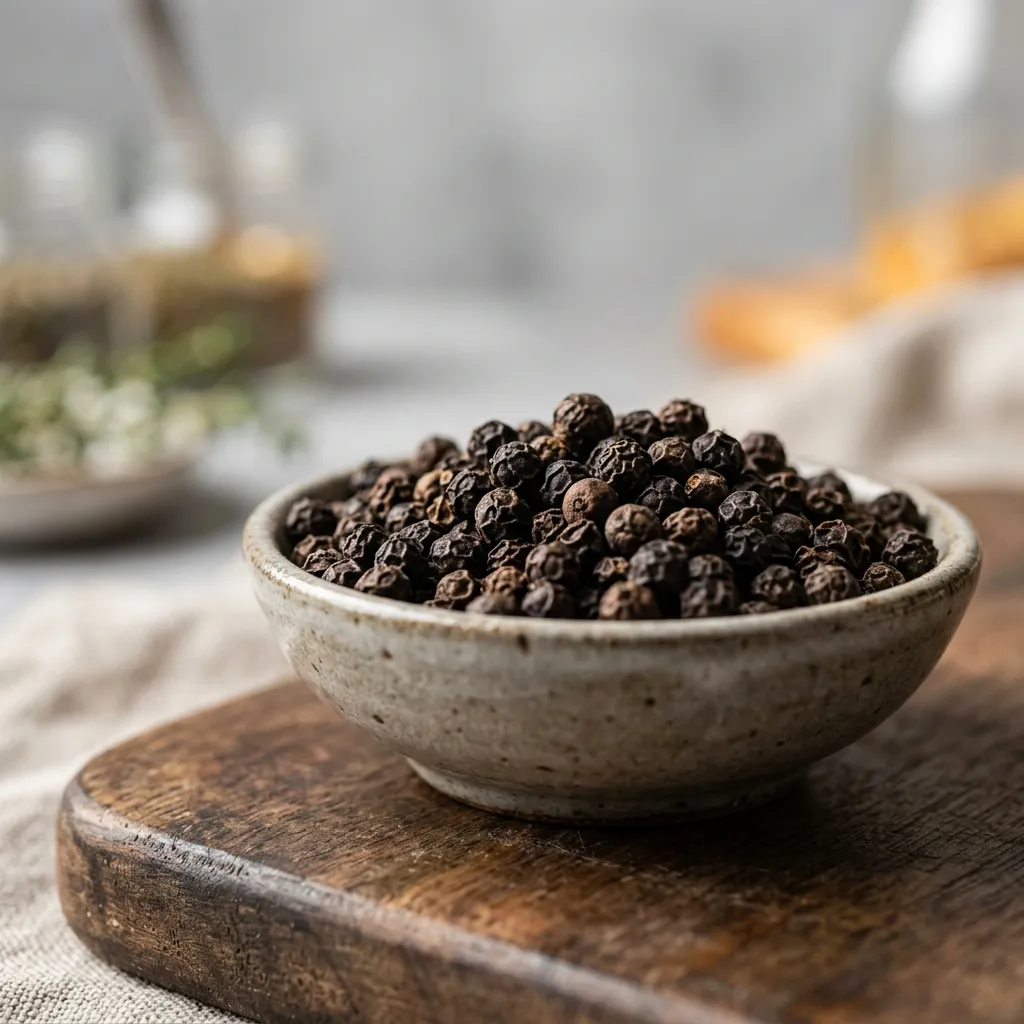
Black Peppercorn

Spices & Seasonings

Black Peppercorn

Piper nigrum

Black Peppercorn: Piperine Active, King of Spices, and Black vs. White Pepper

The Piperine Compound

Black pepper gets its sharp, pungent heat from piperine, an alkaloid compound. Unlike capsaicin in chilies, piperine triggers heat receptors by stimulating nerve endings in the mouth and gut, enhancing digestive secretions and accelerating metabolism.

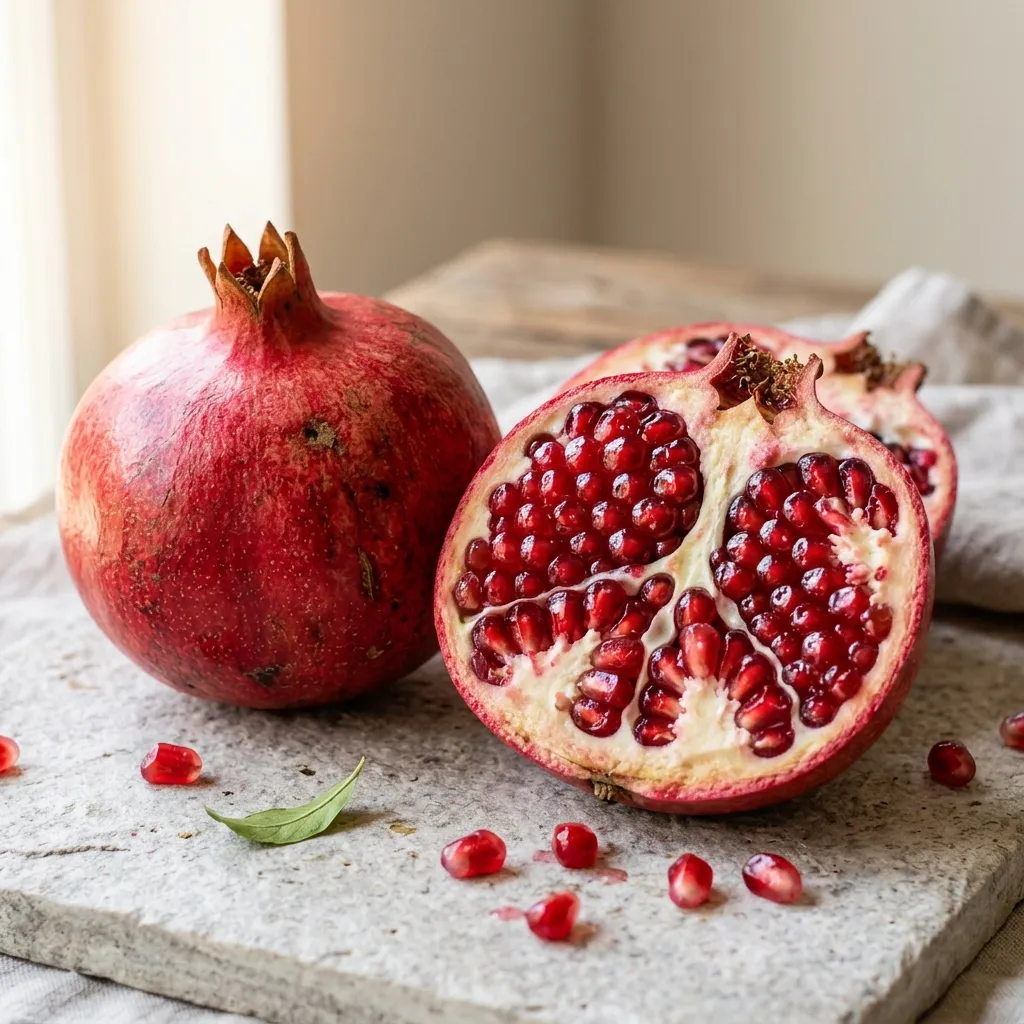
Pomegranate

Fruits

Pomegranate

Punica granatum

Pomegranate: Punicalagin Antioxidants, Seed Anatomy, and Ancient Dynasties

Punicalagin Super-Antioxidants

Pomegranates owe their brilliant ruby color and powerful health profile to punicalagins โ€” massive polyphenol antioxidants found uniquely in the juice and peel. Punicalagins have been shown to have three times the antioxidant activity of red wine or green tea, helping protect blood vessels from oxidative damage.

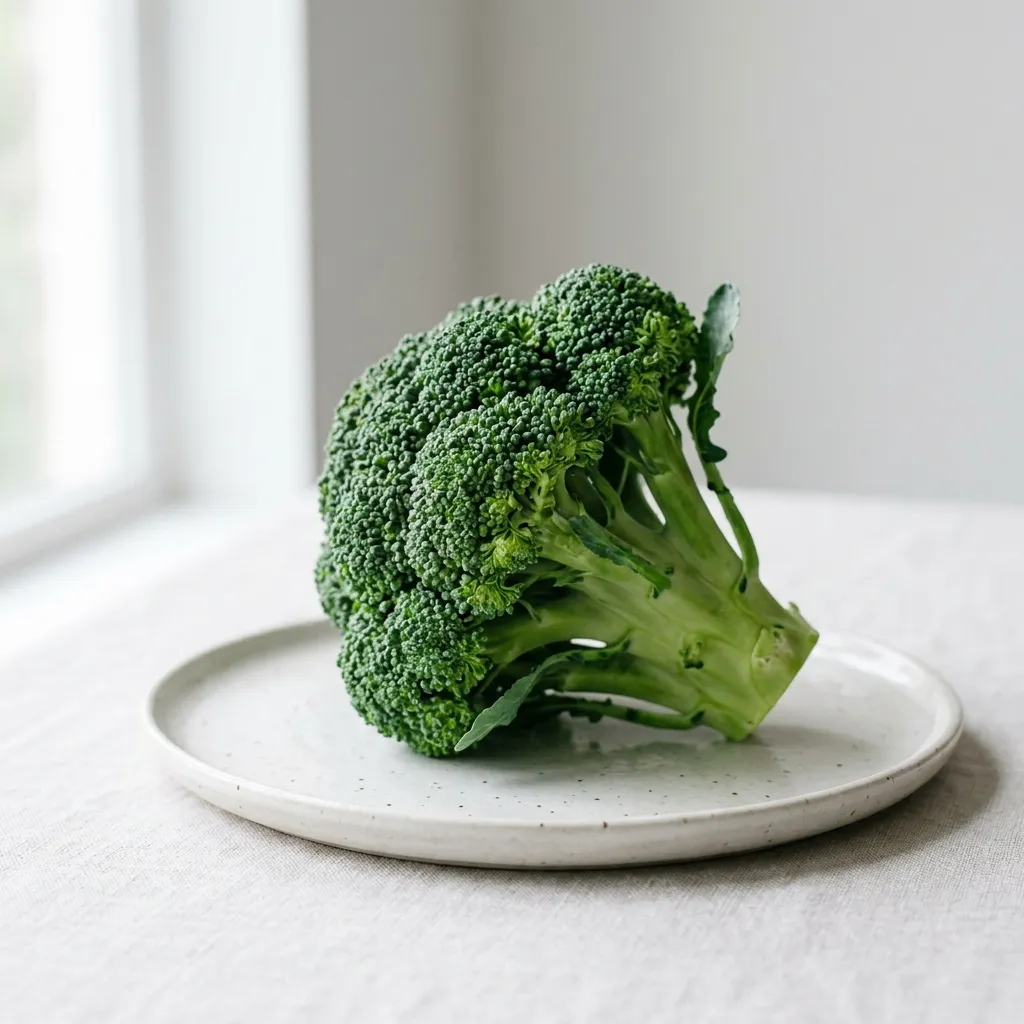
Broccoli

Vegetables

Broccoli

Brassica oleracea var. italica

Broccoli: Sulforaphane Activation, Heat Sensitivity, and Selective Breeding

Sulforaphane Activation

Broccoli contains glucoraphanin and an enzyme called myrosinase. When you chop, chew, or crush raw broccoli, these two compounds combine to form sulforaphane, a powerful antioxidant that triggers cellular detoxification. Leaving chopped broccoli to sit for 40 minutes before cooking allows maximum sulforaphane to form.

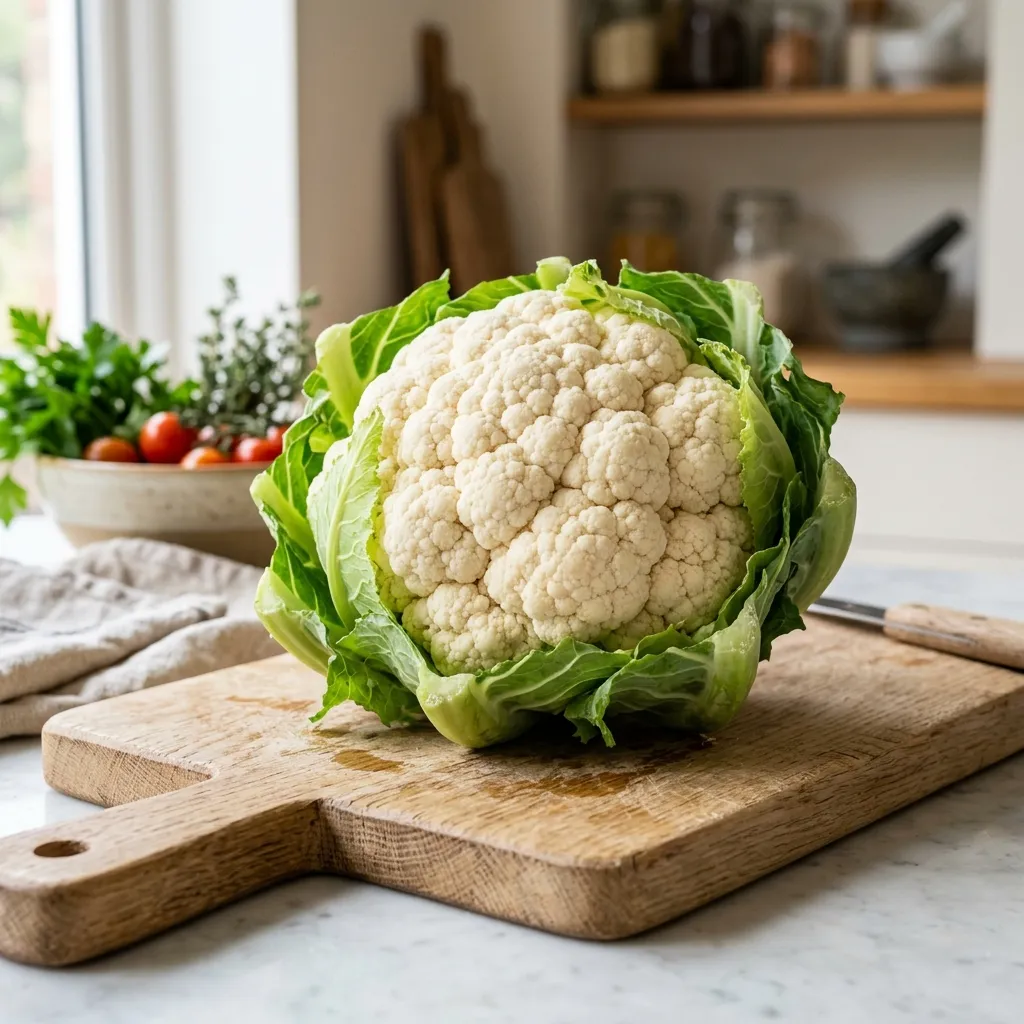
Cauliflower

Vegetables

Cauliflower

Brassica oleracea var. botrytis

Cauliflower: Flower Bud Curds, Glucosinolate Aromas, and Versatile Swaps

Flower Bud Curds

The head of the cauliflower (the 'curd') is actually an undeveloped mass of thousands of tight flower buds. If left unharvested, these buds will separate, grow upward, and open into small yellow flowers. The white color is maintained by tying the plant's leaves over the head to block sunlight, a process called 'blanching.'

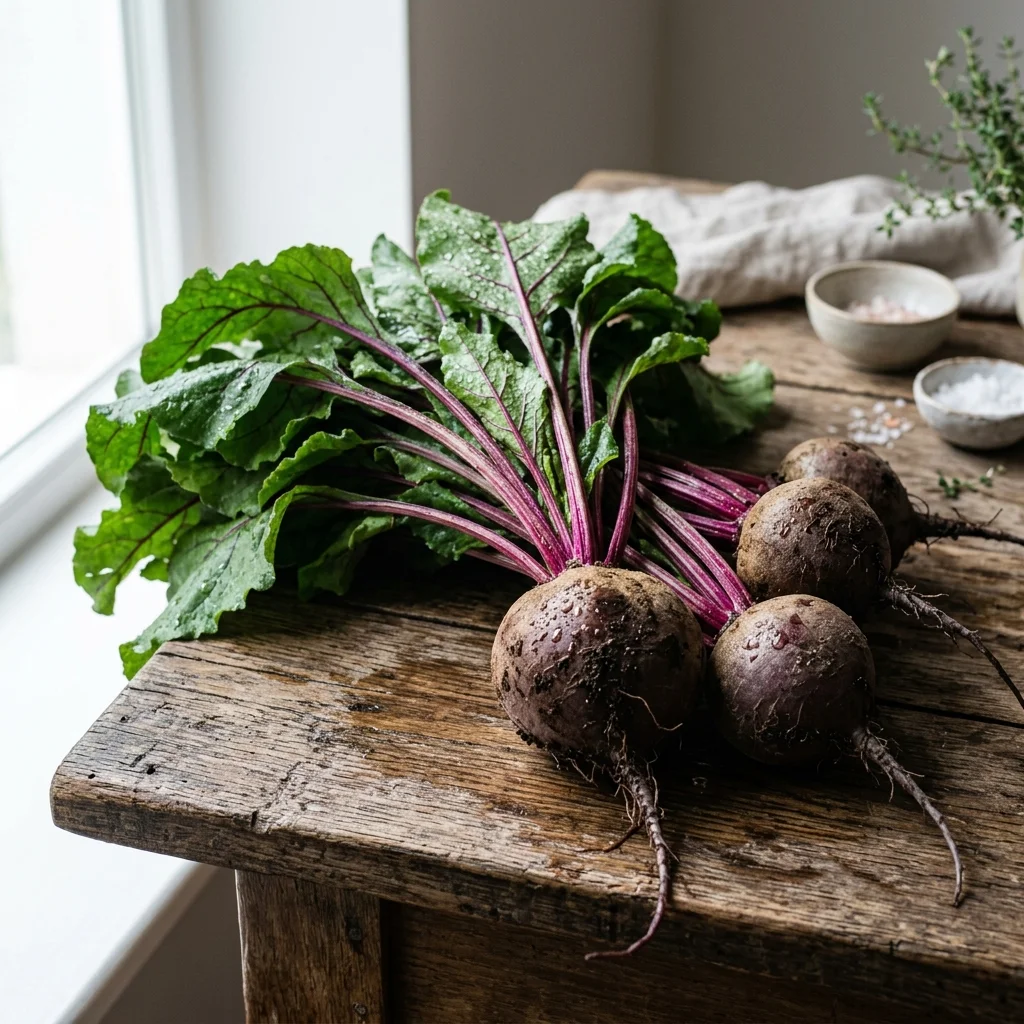
Beetroot

Vegetables

Beetroot

Beta vulgaris

Beetroot: Betalain Pigments, Inorganic Nitrates, and Earthy Geosmin

Betalain Antioxidants

Beetroot gets its deep, purplish-red color from betalains, a class of nitrogen-containing pigments that differ chemically from the anthocyanins found in other red fruits. Betalains are powerful anti-inflammatory and antioxidant agents that support liver detoxification and vascular health.

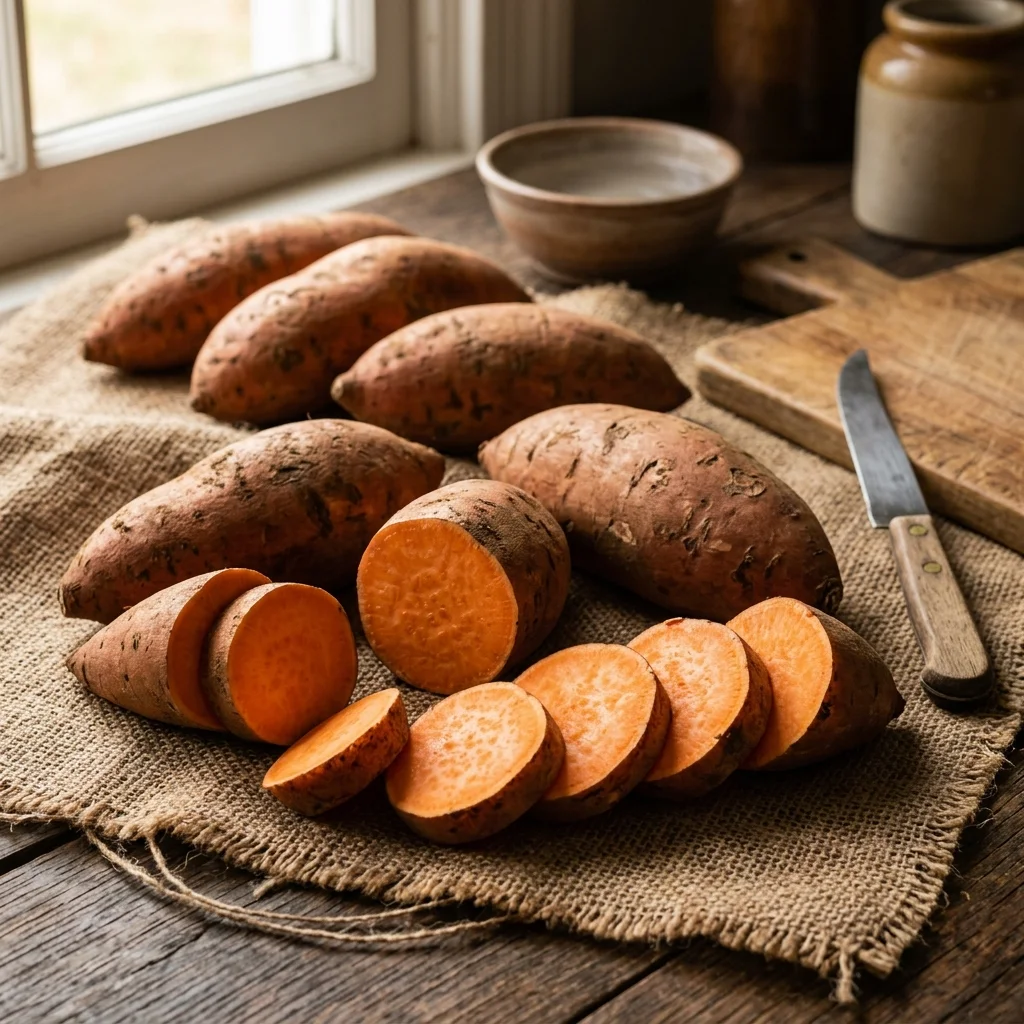
Sweet Potato

Vegetables

Sweet Potato

Ipomoea batatas

Sweet Potatoes: Carotenoid Conversion, Sugar Chemistry, and Morning Glory Roots

Beta-Carotene Density

Orange-fleshed sweet potatoes are packed with beta-carotene, a carotenoid pigment that the human body converts into Vitamin A. A single medium baked sweet potato provides over 100% of the daily Vitamin A requirement, which is essential for eye health, skin maintenance, and immune function.

Rolled Oats

Grains & Cereals

Rolled Oats

Avena sativa flaked

Rolled Oats: Beta-Glucan Gel, Avenanthramide Anti-Inflammatories, and Milling Science

Soluble Beta-Glucan Gel

Oats are rich in beta-glucan, a highly viscous soluble fiber. In the digestive tract, beta-glucan forms a thick, gel-like barrier that slows down digestion and delays sugar absorption. This gel also binds to bile acids (made of cholesterol), forcing the body to excrete them and lower blood cholesterol.

Raw Honey

Natural Sweeteners

Raw Honey

Raw Honey (Honey variety)

Raw Honey: Enzymatic Preservation, Gluconic Acidity, and Archaeological Longevity

Hydrogen Peroxide Defense

Bees add an enzyme called glucose oxidase to nectar during honey production. When honey is diluted (like when applied to a wound or consumed), this enzyme breaks down glucose into gluconic acid and hydrogen peroxide, providing natural antibacterial and antifungal protection.

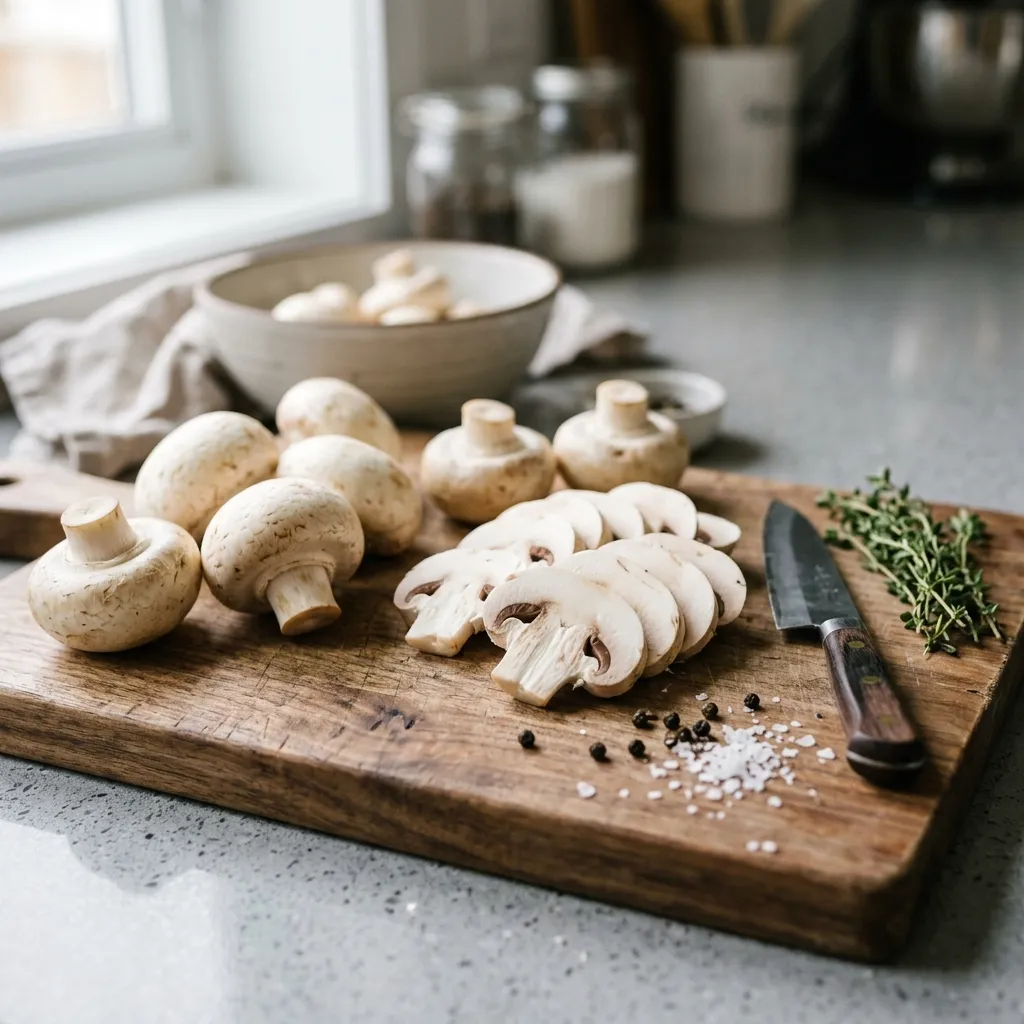
Button Mushroom

Mushrooms & Fungi

Button Mushroom

Button Mushroom (Cultivated mushrooms variety)

Button Mushrooms: Vitamin D Sun Synthesis, Chitin Cell Walls, and Agaricus Lineage

Vitamin D Sun Synthesis

Like human skin, button mushrooms contain ergosterol, a precursor compound that converts into Vitamin D2 when exposed to ultraviolet (UV) light. Placing store-bought button mushrooms in direct sunlight for 15-30 minutes before cooking can increase their Vitamin D content by over 400%.

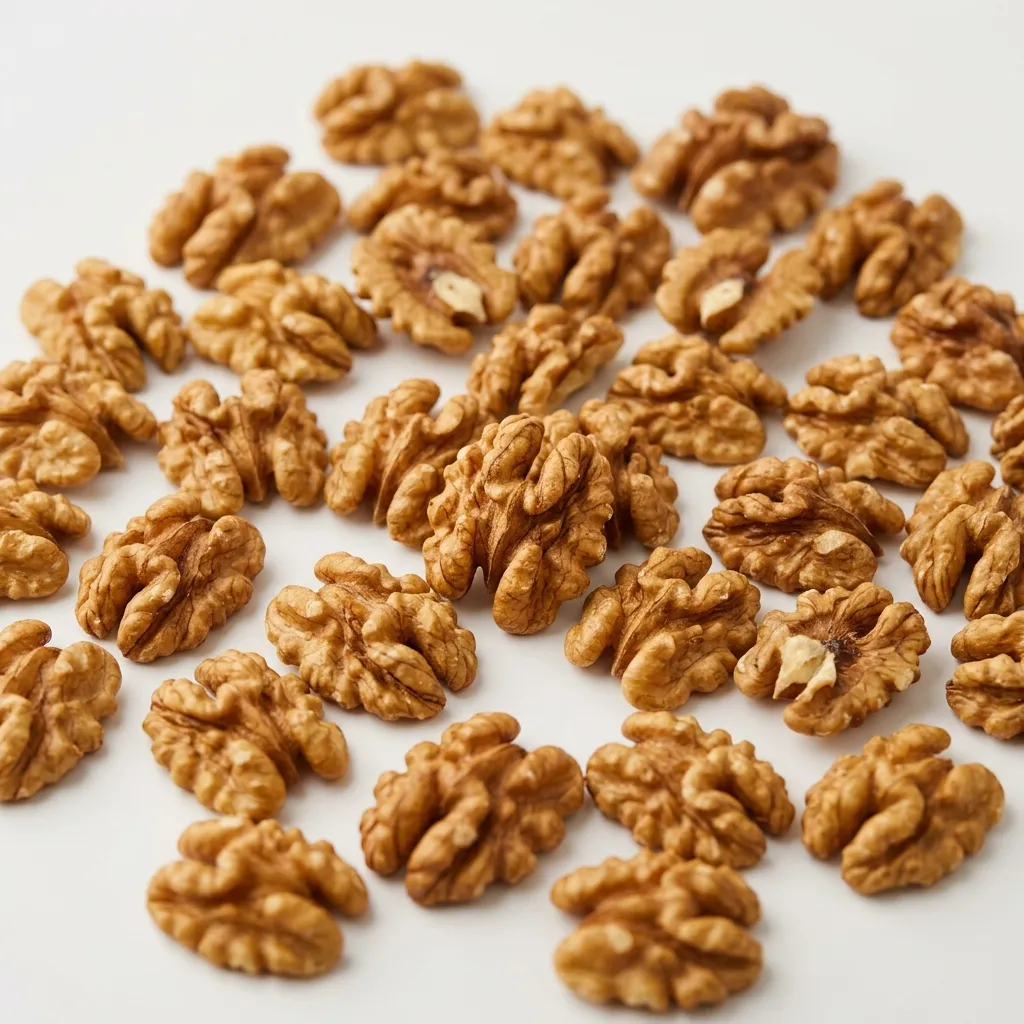
Walnut

Nuts

Walnut

Juglans regia

Walnuts: Omega-3 Leader, Tannin Skin Bitterness, and Cognitive Doctrine

Omega-3 Leader

Among all common culinary nuts, walnuts contain by far the highest concentration of alpha-linolenic acid (ALA), the plant-based omega-3 fatty acid. A single one-ounce serving of walnuts provides 2.5 grams of ALA, meeting the entire daily recommended intake to support cardiovascular health.

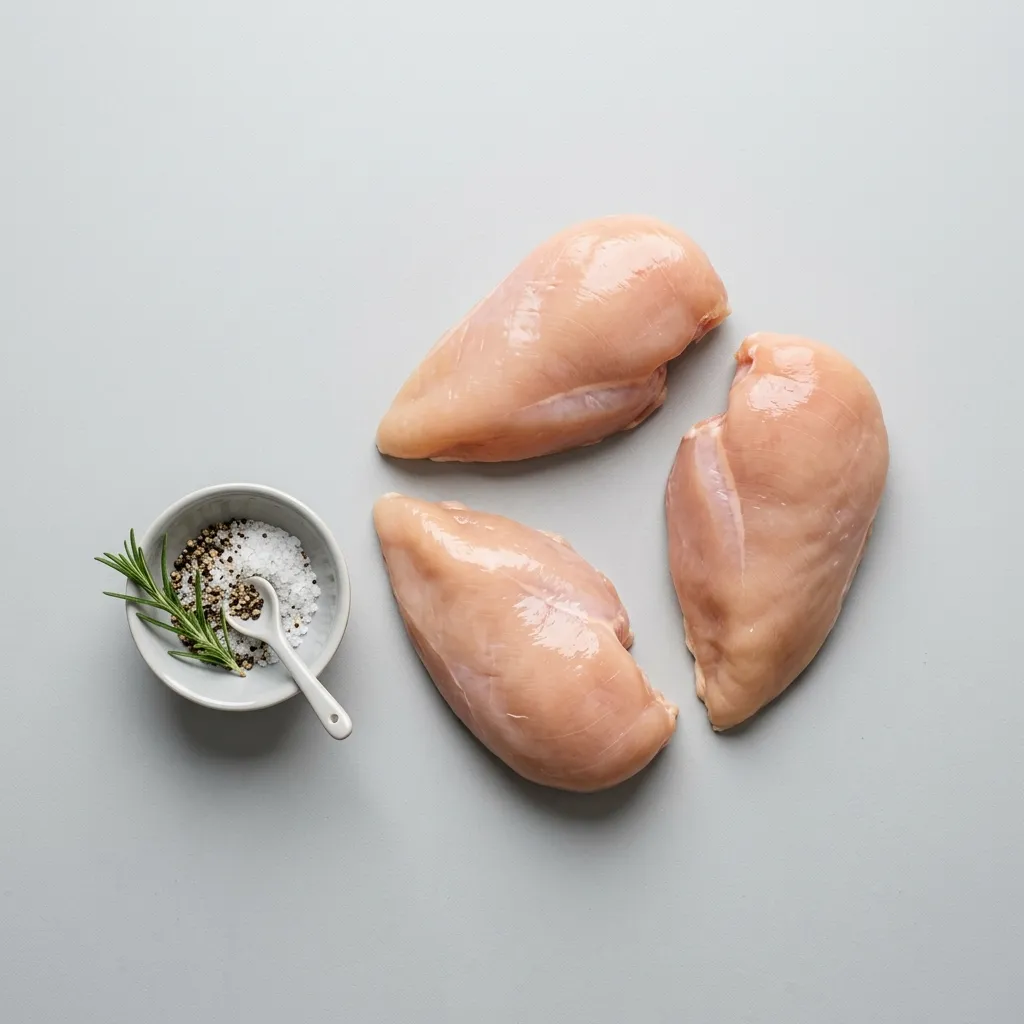
Chicken Breast

Poultry

Chicken Breast

Gallus gallus domesticus

Chicken Breast: Protein Coagulation Limits, Carnosine Buffers, and Salt Water Brining

Protein Coagulation Limits

Chicken breast consists of myofibrillar proteins that begin to denature and coagulate at 60ยฐC (140ยฐF). If heated past 74ยฐC (165ยฐF), the protein fibers contract tightly, squeezing out all moisture and rendering the breast dry and stringy. Cooking it precisely to 74ยฐC ensures both safety and juicy texture.

Fun Facts & Trivia

Did You Know?๐Ÿบ

What cooking oil should you use?

Which oil fits your cooking temperature?

๐Ÿณ

Deep Frying

Use Refined Oils. They have high smoke points and don't break down easily.

๐Ÿฅ—

Low Heat / Raw

Use Cold Pressed Oils. Retains all natural antioxidants and aromatics.

Did You Know?

Autophagy: How Fasting Activates Your Cell's Recycling Clean-Up Crew

Have you ever wondered what happens when your cells run out of food? Instead of starving, they activate a brilliant survival process called Autophagy (literally meaning 'self-eating'). It's your body's internal recycling plant, cleansing damaged cell parts, viruses, and cellular junk, turning them into fresh energy! The Autophagy Recycling Mechanism: When you eat regularly, high insulin and amino acid levels activate a protein kinase called mTOR, which tells your cells to grow and build. However, when you fast (stop eating) for 16+ hours, mTOR shuts down. This activates a cellular sensor called AMPK. AMPK sounds the alarm, causing the cell to wrap double-membrane vesicles called autophagosomes around damaged mitochondria, misfolded proteins, and aging cell walls. These vesicles fuse with lysosomes (acidic recycling vats), digesting the cellular junk back into basic amino acids and fatty acids to build brand-new, healthy cells! The Fasting Timeline (Interactive Log): โ€ข 12 Hours: Glycogen stores deplete. The liver shifts to fat-burning mode, producing anti-inflammatory ketones. โ€ข 16 Hours (Autophagy Starts): Low insulin signals the cell recycling crew to sweep away damaged mitochondria and misfolded proteins. โ€ข 24 Hours: Autophagy increases significantly, particularly in brain cells, assisting in cognitive protection. โ€ข 48 Hours: Growth hormone spikes to protect muscle mass, and immune system cells undergo regeneration. Try this wellness check: To experience the transition, try a 16-hour overnight fast. Note your focus levels at hour 14 โ€” as liver glycogen depletes and ketones rise, many report a distinct sense of clean energy and mental clarity, which is the brain cells running on cellular recycling fuel!

Culinary Chemistry๐ŸŽจ

Color of food items

Ripening Stages of Bell Peppers (Same Fruit!):

Chlorophyll Dominant: A green bell pepper is green because it is packed with chlorophyll. Chlorophyll uses a porphyrin ring to capture blue and red wavelengths of sunlight to drive photosynthesis.

๐Ÿ’ก Quantum Physics: Because of its molecular design, chlorophyll cannot absorb green wavelengths, reflecting them back to our eyes. Green is the light the plant has absolutely no use for!

Did You Know?

The Chemistry of Chili Heat

When you eat a hot chili pepper and your mouth feels like itโ€™s literally on fire, you are experiencing a magnificent chemical illusion. There is no actual heat or damage occurring โ€” capsaicin is just playing a trick on your brain! Why does it burn? Chilis contain capsaicin, a hydrophobic compound that binds directly to the TRPV1 receptors on your tongue. These receptors are designed to detect physical temperatures above 109ยฐF (43ยฐC) and send pain signals to protect you from hot foods. Capsaicin tricks these receptors into sending the 'Fire!' signal at normal body temperature. Interestingly, birds completely lack these receptors, so they can eat chilis and spread the seeds without feeling any burn! Why water makes it worse: Capsaicin is hydrophobic, meaning it behaves like oil. If you drink water, it won't mix with the capsaicin. It will just wash the oil around, spreading the burn to your throat and lips! How to stop the fire instantly: โ€ข Reach for Dairy: Milk, yogurt, and ice cream contain casein, a lipophilic protein. Casein acts like a magnet, binding to the capsaicin molecules, pulling them off your tongue receptors, and washing them away. โ€ข Eat Sugar or Honey: A spoonful of sugar absorbs the oil-like capsaicin and distracts your taste buds. โ€ข Drink Alcohol: Capsaicin is highly soluble in alcohol, which is why a cold beer helps more than water (though dairy is still king!).

Controversial Scienceโš ๏ธ

Why is Mustard Oil Banned in US & Europe?

Walk into an Indian grocery store in the US or Europe, and you'll find mustard oil labeled "for external use only."

Why? Several decades ago, researchers published studies showing that erucic acid (found in mustard oil) caused heart damage in lab rats. Consequently, cooking sales were banned.

Did You Know?

The Maillard Reaction: Why Seared Food Tastes Amazing

The smell of freshly baked bread, roasted coffee, seared steaks, and caramelized onions is all thanks to a single chemical phenomenon: the Maillard reaction. Discovered by French chemist Louis-Camille Maillard, it is the reaction between amino acids and reducing sugars under heat. The Chemistry of Deliciousness: When food reaches temperatures above 284ยฐF (140ยฐC), proteins and sugars crash into each other, creating hundreds of brand-new flavor molecules. These molecules then break down further to form even more complex aromas. This is not the same as caramelization, which only involves sugars. The Golden Rules of Browning: โ€ข Moisture is the Enemy: Water boils at 212ยฐF (100ยฐC). If your food has surface moisture, the temperature cannot rise high enough to trigger the Maillard reaction because the heat is spent evaporating the water. This is why you must pat dry your meat or vegetables before cooking! โ€ข Don't Crowded the Pan: Overcrowding traps steam, boiling your food instead of searing it. Give your ingredients space to breathe. โ€ข The pH Cheat Code: The Maillard reaction happens faster in alkaline conditions. Adding a tiny pinch of baking soda (sodium bicarbonate) to onions will make them caramelize in half the time!

Botanical Science๐ŸŒฑ

Plant based foods

90% of wild plants are poisonous or toxic. Humans get 90% of their calories from just 11 botanical families.

1. Poaceae (Grasses)
50% of global human calories

๐ŸŽ Examples: Rice, wheat, millets, corn, sugarcane

Domesticated 10,000 years ago and the backbone of human civilization. 17% of all habitable planet land is occupied by agricultural grasses. Sometimes it is hard to tell if we domesticated grass, or if grass domesticated us.

Did You Know?

Caffeine: The Plant's Secret Weapon

For humans, caffeine is a beloved morning pick-me-up that helps us wake up and focus. But for the plants that produce it โ€” like coffee, tea, and cacao โ€” caffeine is a deadly chemical weapon. Nature's Insecticide: Caffeine is a toxic alkaloid that acts as a natural pesticide. When insects try to chew on coffee leaves or seeds, the caffeine paralyzes them or disrupts their nervous systems, keeping the plant safe from pests. However, bees are attracted to low levels of caffeine in flower nectar, which improves their memory and keeps them returning to pollinate the plant! How it tricks your brain: Throughout the day, your brain builds up a chemical called adenosine, which binds to receptors to tell you that you are tired. Caffeine has a molecular shape that perfectly mimics adenosine. It plugs into your brainโ€™s receptors, blocking the real adenosine from landing. Your brain doesn't receive the 'tired' signal, making you feel alert. The Decaf Mystery: How do they get the caffeine out without losing the flavor? โ€ข The Swiss Water Process: Coffee beans are soaked in hot water to extract all compounds (caffeine and flavors). The water is passed through a charcoal filter that traps only the caffeine. A new batch of beans is then soaked in this caffeine-free flavor liquid. Because the liquid is already saturated with flavor molecules, it only dissolves the caffeine out of the new beans, leaving 100% of the flavor intact!

Cultural History๐Ÿ›

Biryani

While the name is Persian, the dish itself has deep Indian roots that predate Persian contacts:

๐Ÿ“– Valmiki Ramayana: Mentions Mamsodana, a dish of rice cooked with meat.

๐Ÿ“– 12th-Century Cookbook (Pakadarpana): Features detailed preparations highly similar to modern Biryani.

Did You Know?

Yeast: The Living Gas Machine

A packet of dry yeast looks like lifeless dust, but it is actually a colony of billions of single-celled fungi (Saccharomyces cerevisiae) waiting to wake up. Yeast is the magical engineer behind light, fluffy bread. The Chemistry of Bread Rise: When you mix yeast with flour and water, the yeast wakes up and begins eating the simple sugars in the flour. In a process called anaerobic fermentation, the yeast digests these sugars and releases carbon dioxide gas (CO2) and a tiny amount of ethanol alcohol. How the magic happens: โ€ข Kneading the dough builds a strong, elastic web of gluten proteins. โ€ข As the yeast breathes out CO2 gas, the elastic gluten stretches, trapping the gas in millions of tiny bubbles. โ€ข When placed in a hot oven, the heat causes the trapped gas to expand rapidly (oven spring), while the alcohol evaporates, leaving behind that signature yeasty sourdough aroma. Test if your yeast is alive: Mix 1 teaspoon of yeast with 1/2 cup of warm water and a pinch of sugar. If it doesn't become frothy and bubbly within 10 minutes, the yeast is dead โ€” throw it out and don't waste your flour!

Nutritional Biochemistry๐Ÿงฌ

How much Minerals you actually need?

Needed in **Grams** per day. Click one to inspect its function:

Did You Know?

The Physics of Whipping Egg Whites

Whipping egg whites into glossy, stiff peaks for meringues or soufflรฉs is a fascinating lesson in structural physics. You are using mechanical force to turn a runny liquid into a solid foam! The Protein Unfolding Trick: Egg white (albumen) is 90% water and 10% coiled proteins. These proteins have hydrophobic (water-repelling) and hydrophilic (water-attracting) ends. โ€ข As you whip, the beaters pull the protein coils apart, unfolding them (denaturing). โ€ข The unfolded proteins realign themselves at the boundary where the air bubbles meet the water. โ€ข The hydrophilic ends stick in the water, while the hydrophobic ends stick into the air bubbles. This creates a strong, protective net that prevents the air bubbles from popping. The Kitchen Science Secret: Whip your egg whites in a copper bowl! Copper ions react with a protein in the egg white called conalbumin, forming a stable yellow complex that prevents the foam from over-whipping, drying out, and collapsing. If you don't have a copper bowl, a tiny pinch of cream of tartar (acid) does the same trick!

Kitchen Science Lab๐Ÿงช

Benefits of Blanching

Interactive Green Bean Blanching Sim:

Beans look dull green due to tiny light-scattering air bubbles.

Air bubble dispersion: Brief heating (30s blanching or 1m steaming) collapses intercellular air pockets. Light is no longer scattered, revealing the brilliant chlorophyll underneath.

Enzyme Lock: Deactivates polyphenol oxidase, the enzyme that turns cut apples or avocados brown.

Did You Know?

MSG: The Umami Truth

For decades, Monosodium Glutamate (MSG) was unfairly demonized as an unhealthy, artificial additive. But science has completely debunked this myth. MSG is simply the sodium salt of glutamic acid, an amino acid that occurs naturally in our bodies and in many delicious foods. The Science of Umami: In 1908, Japanese chemist Kikunae Ikeda wanted to know why dashi (kelp broth) tasted so rich and savory. He isolated glutamic acid and discovered it triggered a fifth basic taste: 'umami' (savory). He combined it with sodium to make it stable, creating MSG. โ€ข When you eat MSG, it binds directly to the L-glutamate receptors on your tongue, telling your brain that you are eating rich, high-protein food. โ€ข Glutamic acid is abundant in foods like aged Parmesan cheese, ripe tomatoes, soy sauce, and mushrooms. That is why adding tomato paste or soy sauce makes dishes taste deeply savory โ€” they are naturally packed with MSG! Try this taste test: Take a cup of unsalted vegetable broth. Taste it (it will taste bland). Add a tiny pinch of MSG. Taste it again โ€” it will instantly taste like it has been simmered with meat and vegetables for hours!

Flavor Illusion๐Ÿ’

Miracle Berry & Miraculin

Select Food to Taste:
๐Ÿ‹

Fresh Lemon Slice

Brain Perception: Puckering, sour, sharp citric acid.

๐Ÿ’ก Quick Trivia:

Which compound in Miracle Berries causes sour foods to taste sweet?

Did You Know?

Why Honey Never Spoils

If you found a jar of honey in a 3,000-year-old Egyptian tomb, you could dip a spoon in and eat it safely. Honey is one of the only foods that naturally possesses an indefinite shelf life. How does it manage this feat? The Triple-Defense Preservation: โ€ข Osmotic Pressure: Honey is a super-saturated sugar solution with only 17% water. This extreme sugar density draws all water out of any invading bacteria or mold cells through osmosis, dehydrating and destroying them instantly. โ€ข High Acidity: Honey has a pH between 3.2 and 4.5. This high acidity inhibits the growth of almost all food-spoiling microorganisms. โ€ข Natural Disinfectant: When bees digest nectar, they secrete an enzyme called glucose oxidase. This enzyme breaks down glucose into gluconic acid and hydrogen peroxide, a powerful sanitizer that kills any remaining microbes. How to liquify crystallized honey: If your honey turns cloudy and solid, it hasn't spoiled! It has just crystallized. Place the jar in a bowl of warm water (not boiling) for 10 minutes, and the crystals will melt back into smooth liquid honey.

Olfactory Genetics๐Ÿงผ

Why Cilantro Tastes Like Soap

Select Olfactory Profile:
๐Ÿฅ—

Typical Human Olfactory Profile

Brain perceives fresh, zesty citrus-herbal aldehydes, enhancing tacos, curries, and salsas.

๐Ÿ’ก Quick Trivia:

Which olfactory receptor gene variation makes cilantro taste like soap?

Did You Know?

Garlic Chemistry: Activating Allicin

A whole, undamaged clove of garlic has almost no aroma. But the second you slice, chop, or crush it, that familiar, pungent garlic smell fills the kitchen. This is because garlic uses a chemical reaction to defend itself against pests. The Allicin Defense System: Inside the garlic clove, two compounds are kept in separate compartments: an amino acid called alliin and an enzyme called alliinase. When the cell walls are damaged (by a knife or teeth), these compartments rupture, allowing the compounds to combine. This chemical reaction instantly creates allicin, a powerful sulfur compound responsible for garlic's hot, pungent taste. Allicin is also a natural antibiotic and antifungal compound. The 10-Minute Resting Rule: Allicin is highly heat-sensitive and breaks down quickly when exposed to cooking heat. โ€ข If you throw freshly chopped garlic directly into a hot pan, you destroy the enzymes before they can create allicin, losing the health benefits. โ€ข To preserve garlic's potency, crush or mince it and let it sit raw on your cutting board for 10 minutes before cooking. This gives the enzymes enough time to create stable allicin, which can then survive the heat of your pan!

Active Proteases๐Ÿ

The Fruit That Eats You Back

Contact Time:1 seconds
๐Ÿ

Fresh bite

Sweet, juicy tropical taste. Pure bliss!

๐Ÿ›ก๏ธ How to Deactivate It:

Cook the pineapple, buy canned pineapple (heat-treated), or pair it with dairy (like yogurt/cream) so the enzyme attacks the dairy proteins instead of your tongue!

๐Ÿ’ก Quick Trivia:

What enzyme in fresh pineapple is responsible for the stinging feeling on your tongue?

Did You Know?

The Microbiology of Sourdough

Commercial bread relies on a single yeast strain to rise quickly. Sourdough, on the other hand, is a living, breathing ecosystem containing a wild mix of yeasts and lactic acid bacteria (Lactobacilli) working in harmony. The Symbiotic Partnership: Wild yeast (Saccharomyces exiguus) and Lactobacilli share the flour's sugars without competing. โ€ข The bacteria digest sugars and secrete lactic and acetic acids, making the dough highly acidic. โ€ข This acidity kills off competing molds and bacteria, preserving the dough. โ€ข The wild yeast is highly acid-resistant, so it happily grows alongside the bacteria, releasing CO2 to rise the loaf. Why sourdough is better for your gut: โ€ข Easier Digestion: Sourdoughโ€™s long fermentation allows the bacteria to pre-digest the flour's gluten, breaking down complex proteins so they are easier on your stomach. โ€ข Unlock Nutrition: Grains contain phytic acid, which binds to minerals like iron and zinc, preventing your gut from absorbing them. Sourdough's acidity activates phytase, an enzyme that breaks down phytic acid, releasing the minerals so your body can absorb them.

Premium Spices๐ŸŒธ

Saffron: Worth More Than Gold

Target Saffron Weight:1 gram
๐Ÿ’œ

150

Flowers Picked

๐Ÿ”ฅ

450

Stigmas/Threads

๐Ÿ’ต

$8

Est. Cost (USD)

๐Ÿ’ก Since each Crocus flower yield is tiny, harvesting saffron requires picking early at dawn before the sun dries the delicate threads.

๐Ÿ’ก Quick Trivia:

How many flowers are required to yield a single dry pound of saffron?

Did You Know?

The Chemistry of Onion Tears

Have you ever wondered why slicing an onion feels like a personal attack on your tear ducts? Itโ€™s actually a sophisticated chemical defense system! Onions grow underground, where hungry rodents love to snack on them. To protect themselves, onions evolved a brilliant chemical weapon. The Tear Gas Mechanism: Inside an onion cell, two components are kept strictly separated: an enzyme called alliinase and a sulfur-rich amino acid. When your knife slices through the cell, it breaks the cellular walls, allowing them to mix. The resulting chemical reaction creates a volatile gas called syn-propanethial-S-oxide. This gas floats up and contacts the moisture in your eyes, reacting to form a tiny amount of mild sulfuric acid! Your brain senses the danger and immediately orders your tear glands to flood the area to wash the acid away. How to win the onion battle: โ€ข Chill the Onion: Place the onion in the fridge for 30 minutes before cutting. Cold temperatures slow down the enzyme activity, meaning less gas is released. โ€ข Use a Razor-Sharp Knife: A dull blade crushes cells, releasing a massive cloud of tear gas. A sharp blade cleanly slices between cells, keeping the gas release to a minimum. โ€ข Keep the Root Intact: The base (root) of the onion contains the highest concentration of the tear-inducing compounds. Cut it last! Try this kitchen experiment: Slice an onion with a dull knife vs. a freshly sharpened knife. Observe the difference in tears, and look at the cut surface โ€” the sharp knife leaves a clean, shiny cut, while the dull one leaves a bruised, wet surface!

Pain Receptor Agonists๐ŸŒถ๏ธ

Capsaicin & The Scoville Scale

Select Pepper:0 SHU

Bell Pepper Reaction:

Mild, sweet, and absolutely zero heat. Mammals and birds munch happily.

๐Ÿฅ› Science-Backed Antidote:

Water is polar; capsaicin is non-polar, so water just spreads the fire. Drink milk instead! The protein casein acts like soap, binding to capsaicin and rinsing it off your receptors.

๐Ÿ’ก Quick Trivia:

Why does capsaicin feel hot on the tongue?

Flavor Volatility๐Ÿฃ

Wasabi Mimicry & Volatility

Time post-grating:0 minutes
๐ŸŒฑ

Freshly Grated โ€” 100% Flavor

Zesty, sweet, herbal, hot sinus kick. Authentic!

๐Ÿ’ก Quick Trivia:

What gaseous chemical is responsible for the sinus-clearing heat of wasabi?

Osmotic Pressure๐Ÿฏ

Honey: The Immortal Food

Microbial Cell in Honey:
๐Ÿฆ 

Active Bacterial Cell

Bacterial cells hold 80% water. If placed in honey, water molecules start flowing out through the membrane.

๐Ÿ’ก Quick Trivia:

Which antibacterial compound is naturally formed when bees add glucose oxidase enzymes to honey?

Safety Warning๐Ÿ‚

Nutmeg Poisoning & Myristicin

Consumed Nutmeg Quantity:0.1 grams
๐Ÿง

Safe (Culinary Pinch)

Adds warm, sweet woody aroma. Perfect in bรฉchamel, eggnog, or pies.

๐Ÿ’ก Quick Trivia:

What chemical compound in nutmeg is responsible for its psychoactive and toxic effects?

Sensory Genetics๐Ÿ‘ƒ

Asparagus Urine Chemistry

Select Genetic Combination:
๐Ÿคข

Can Smell & Produce (35%)

Body metabolizes asparagusic acid into smelly sulfur compounds. Olfactory receptors detect it within 15 minutes.

๐Ÿ’ก Quick Trivia:

Which acid in asparagus is processed by the body to produce sulfur-containing urine metabolites?

Manual Agriculture๐Ÿจ

Vanilla: Hand-Pollinated Orchids

Vanilla Orchid Pollination Sim:

๐ŸŒธ

The flower opened at dawn and will close by noon forever. Lift the membrane and press the pollen block.

๐Ÿ’ก Quick Trivia:

Which tiny, specific bee is the only natural pollinator of the vanilla orchid?

Food Color Chemistry๐Ÿฐ

Red Velvet & Insect Dyes

Select Red Dye Source:
๐Ÿชฒ

Carmine / Cochineal (Insect Extract)

Derived from boiled, crushed female cochineal insects. Extremely stable under baking heat, giving red velvet its deep crimson.

๐Ÿ’ก Quick Trivia:

Which scale insect is crushed to manufacture commercial carmine food dye?

Taste Receptor Science๐Ÿงช

MSG & The Umami Science

Compare Glutamate Sources:
๐Ÿง‚

Monosodium Glutamate (MSG) โ€” 99% Pure Glutamate

Pure salt crystals produced through starch fermentation. Instant savory flavor burst.

๐Ÿ’ก Quick Trivia:

Which dedicated taste receptor on our tongues detects the savory flavor of glutamate?

Kitchen Chemistry๐Ÿง…

Onion Tears & Stovetop Hacks

Select Cutting Method:
๐Ÿ”ช๐Ÿ˜ญ

Dull Metal Knife โ€” โš ๏ธ High Gas Release

Crushes and tears plant cell walls, releasing maximum enzymes and causing immediate, severe crying.

๐Ÿ’ก Quick Trivia:

Which acid is formed when onion gas reacts with moisture on your eyeballs?

Physical Chemistry๐Ÿฟ

The Physics of Popcorn

Kernel Temperature:25ยฐC
๐ŸŒฝ

Room Temperature โ€” 14.7 PSI

Microscopic water droplet rests quietly inside the hard kernel hull.

๐Ÿ’ก Quick Trivia:

At what internal pressure (PSI) does a popcorn kernel typically rupture?

Storage Biology๐Ÿ…

The Tomato Cold Taste Killer

Select Storage Temperature:
๐Ÿ…

Room Temperature (22ยฐC)

Flavor genes remain active. Tomato produces aromatic volatile compounds, keeping it fragrant and sweet.
๐Ÿ’ก Quick Trivia:

Below what temperature threshold do tomato flavor genes permanently deactivate?

Plant Hormones๐Ÿฅ‘

Avocado Ripening & Ethylene

Select Environment:
๐ŸŒณ

Avocado on the Branch

The tree blocks ethylene gas pathways. The avocado remains rock hard and never ripens until picked.

๐Ÿ’ก Quick Trivia:

Which gaseous plant hormone is responsible for avocado ripening?

Carotenoid Pigments๐ŸŸ

The Color of Salmon & Astaxanthin

Select Salmon Diet:

Grey Salmon Flesh

Standard farm grains lack red carotenoids. Without pigments, the salmon's meat remains natural off-white/grey.

๐Ÿ’ก Quick Trivia:

Which antioxidant pigment is responsible for salmon's pink color?

Neurobiology๐Ÿง€

Cheese Addiction & Casomorphins

Simulate Casein Digestion:

๐Ÿฅ›

Casein resides locked as a large milk protein. No opioid receptor binding has taken place yet.
๐Ÿ’ก Quick Trivia:

What are the opioid-like peptides released during the digestion of milk casein called?

Nerve Reflexes๐Ÿฅถ

Brain Freeze Mechanics

Palate State:
๐Ÿ˜Š

Vessels Stabilized

Pressing your warm tongue against the palate quickly restores normal tissue temperature, contracting vessels and ending the freeze.

๐Ÿ’ก Quick Trivia:

What is the medical term for a 'brain freeze' headache?

Historical Typos๐Ÿฅฌ

The Spinach Iron Myth

Select Report Year:
๐Ÿ’ช

Erich von Wolf's Misplaced Decimal

Reported iron level: 35 mg per 100g. Created the massive Popeye myth of spinach muscle building.

๐Ÿ’ก Quick Trivia:

Which organic acid in spinach binds to iron and prevents its bio-absorption?

Fruit Density๐Ÿ‹

Why Lemons Float & Limes Sink

Select Citrus to drop in water:
๐Ÿ‹
Water Line

Lemons float because their thick, porous white rind (pith) contains microscopic air pockets, lowering their density.

๐Ÿ’ก Quick Trivia:

What part of the lemon peel contains the porous air pockets that act as a flotation device?

Neurotoxinsโ˜•

Caffeine: Plant Chemical Warfare

Feed Caffeine to insects:

๐ŸชฒโŒ

Herbivores eat coffee leaves and ingest high doses of caffeine. It acts as a neuromuscular toxin, paralyzing and killing them.

๐Ÿ’ก Quick Trivia:

Why does caffeine prevent competitor seeds from growing under coffee plants?

Chemical Leaveners๐Ÿฅฃ

Baking Soda vs Baking Powder

Select Leavening Agent:
๐Ÿ‹

Baking Soda (Sodium Bicarbonate)

Requires an external liquid acid (lemon, vinegar, buttermilk) to activate and release carbon dioxide bubbles.

๐Ÿ’ก Quick Trivia:

Which dry acid is traditionally mixed with baking soda to make commercial baking powder?

Whipped Foams๐Ÿฅš

Egg Whites & Copper Bowls

Select Whipping Bowl:
๐Ÿฅฃ

Egg white proteins stretch to trap air. Easy to over-whip, which makes the foam dry, clumpy, and prone to collapse.

๐Ÿ’ก Quick Trivia:

Which egg white protein binds to copper ions to stabilize whipped egg whites?

Starch Crystallization๐Ÿž

The Science of Stale Bread

Select Bread State:
๐Ÿž

Soft, Gelatinized Starch

Baking gelatinizes starch, making it soft and water-rich.

๐Ÿ’ก Quick Trivia:

What is the chemical name for the crystallization of starch molecules in stale bread?

Plant Toxicity๐Ÿฅฌ

The Poisonous Rhubarb Leaves

Select Plant Part:
๐Ÿฅง

Stalks are perfectly safe and tangy. Used in pies and crumbles. Rich in fiber and vitamin C.

๐Ÿ’ก Quick Trivia:

Which toxic organic acid is concentrated in rhubarb leaves?

Electromagnetismโšก

Grape Plasma in Microwaves

Microwaving Grape halves:

๐Ÿ‡

A grape cut almost in half lies inside the microwave chamber. The thin skin bridge acts as an antenna.

๐Ÿ’ก Quick Trivia:

Which state of matter is generated when you microwave sliced grapes?

Agricultural Cloning๐ŸŒ

The Banana Clone Crisis

Select Grove Type:
๐ŸŒ๐ŸŒด

Diverse Seed-Grown Grove

High genetic diversity. If a fungus (Panama disease) attacks, some plants survive due to resistant genes.

๐Ÿ’ก Quick Trivia:

Which banana variety was wiped out in the 1950s, forcing the switch to Cavendish?

Pigment Reactions๐Ÿง„

Why Garlic Turns Blue in Vinegar

Pickling garlic in vinegar:

๐Ÿง„๐Ÿฅ›

Raw garlic sits in neutral air. Amino acids and sulfur remain in separate cellular compartments.

๐Ÿ’ก Quick Trivia:

Which organic pigments turn garlic blue-green in vinegar?

Taste Receptor Blockers๐Ÿฅ—

Artichokes Make Water Sweet

Sensory Action:
๐Ÿฅ—

Cynarin Blocks Sweet Receptors

Cynarin molecules bind to sweet receptors, preventing them from firing. Sweetness is temporarily turned off.

๐Ÿ’ก Quick Trivia:

What is the active compound in artichokes that causes this sweet flavor illusion?

Cyanogenic Glycosides๐Ÿ 

Cassava: The Cyanide Root

Processing Stage:Raw Cassava
๐Ÿฅ”

Raw Cassava โ€” ๐Ÿ’€ Lethal (100%)

Packed with linamarin. Releases highly toxic hydrogen cyanide gas upon mastication.

๐Ÿ’ก Quick Trivia:

Which permanent neurological disease is caused by chronic consumption of raw, poorly processed cassava?

Pantry Botany๐Ÿฅ”๐Ÿง…

Onion & Potato Storage Rivalry

Select Pantry Arrangement:
๐ŸŒฑ

Fast Sprouting (1-2 weeks)

Onions emit ethylene gas and high moisture. This breaks potato dormancy, causing them to sprout and decay quickly.

๐Ÿ’ก Quick Trivia:

Which hormone gas emitted by onions triggers potato sprouting?

Plant Defense๐Ÿฅ’

The Bitter Cucumber End

Rub cut end of cucumber:

๐Ÿฅ’

Bitter cucurbitacins are concentrated near the cucumber stem and directly under the skin.

๐Ÿ’ก Quick Trivia:

What chemical class causes cucumber skin and ends to taste bitter?

Mammalian Metabolism๐Ÿซ

Why Chocolate Poisons Dogs

Select Species:
โ˜•

Rapid Half-Life (2-3 Hours)

Human livers possess efficient CYP1A2 enzymes that break down theobromine rapidly. Safe for consumption.

๐Ÿ’ก Quick Trivia:

What is the toxic methylxanthine alkaloid in chocolate?

Salt Chemistry๐Ÿง‚

The Pink Himalayan Salt Myth

๐Ÿง‚

Pure Sodium Chloride

Pink salt is 98% NaCl, identical to standard grocery table salt.
๐Ÿ’ก Quick Trivia:

What impurity turns Himalayan salt crystals pink?