
MackerelSardines
Animal-BasedSeafood — Fish
🟡Caution

Salmon

Salmo salar / Oncorhynchus spp.

Facts

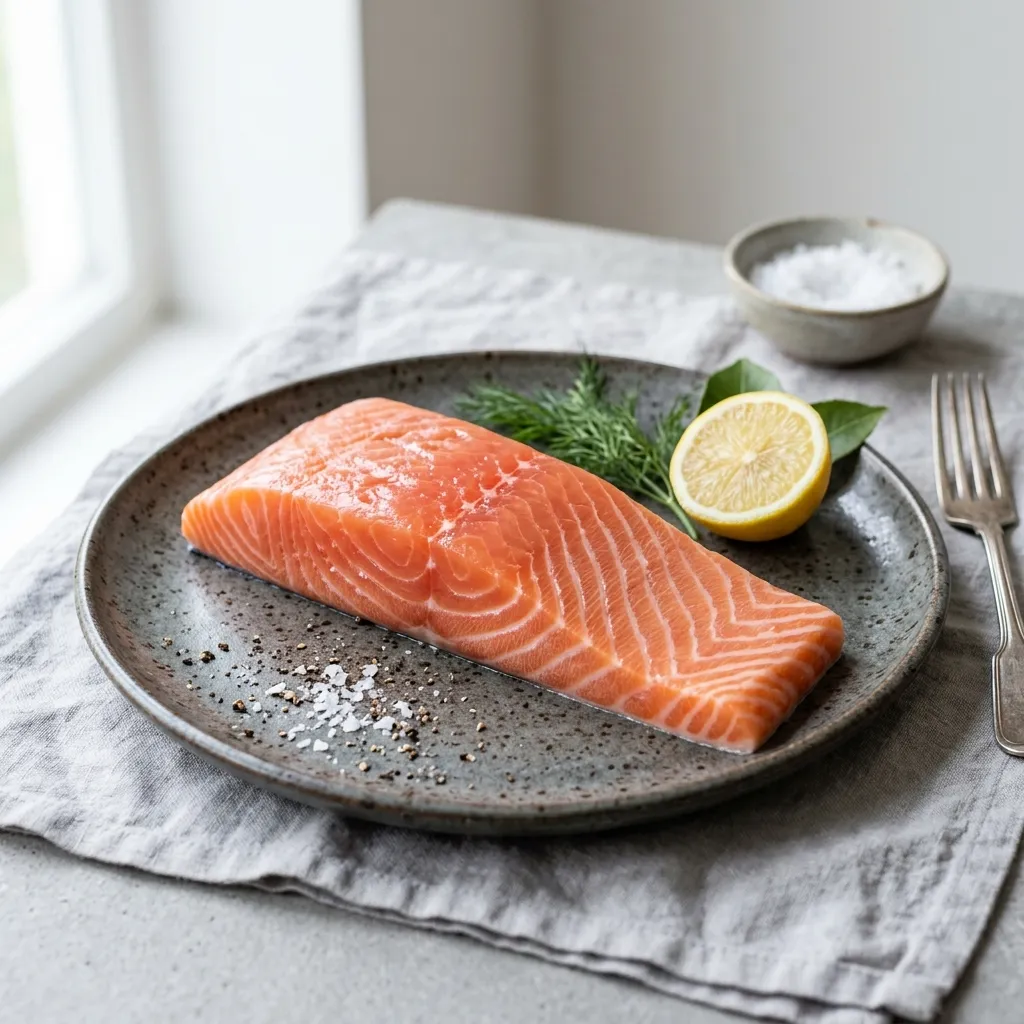
Salmon is a rich, high-protein fish known for omega-3 fats and versatile cooking behavior.

Regional names

Atlantic salmon, Sockeye, Coho

Origin

Cold-water migratory fish consumed fresh, smoked, roasted, and cured.

Native region

North Atlantic and North Pacific waters

Season

Fresh wild harvest varies by species; farmed salmon is sold year-round
Food Combinations & Timing

⚠️Potential Interaction Conflict

Avoid consuming with: Milk and dairy products

Waiting Interval: Wait at least 2 hours

Mixing fish (high-protein animal meat) with milk (dairy) results in a highly divergent digestive enzyme requirement. This mismatch slows down gut motility and can trigger skin sensitivities or indigestion in sensitive individuals.

Nutritional profile

Calories

208 kcal / 100 g

Protein

20 g

Carbs

0 g

Fat

13 g

Fiber

0 g

Water content

64%

Glycemic index

0

Vitamins

  • Vitamin D
  • Vitamin B12
  • Niacin

Minerals

  • Selenium
  • Potassium

Health benefits

Evidence-aligned highlights

  • Supplies EPA and DHA omega-3 fats linked to cardiovascular benefits.
  • Provides complete protein for muscle maintenance.
  • Contributes vitamin D and selenium.

Flavor notes

Rich, Buttery, Oceanic

Texture

Flaky and succulent

Aroma

Clean sea aroma when fresh

Pairings

Miso, Lemon, Nori, Dill, Yogurt

Safety & toxicity

Edible parts

Cooked flesh, Skin when properly scaled and cooked

Toxic or risky parts

Bones are choking hazards, Raw fish can carry parasites unless sushi-grade handling standards are met

Raw vs cooked

Cook to safe internal temperature unless sourced and handled for raw service.

Allergies & intolerances

Fish allergy can be severe.

Drug interactions

Omega-3 supplements plus large salmon intake may matter for people on anticoagulants; routine culinary intake is usually acceptable.

Safe daily limit

Two seafood servings per week fits many health guidelines, adjusted for species and mercury guidance.

⚠️ Notice: This safety profile is a general guideline. Dietary tolerances differ; consult a healthcare professional for allergies or drug interactions. See our full disclaimer.

Who should avoid & how to handle it

Who should avoid or moderate

  • People with fish allergy should avoid.
  • Pregnant people should follow species-specific seafood guidance.

Preparation & storage

  • Clean: Pat dry and check for pin bones.
  • Cut: Portion fillets evenly for quick cooking.
  • Cook: Bake, pan-sear, broil, steam, or grill.
  • Store: Refrigerate very cold and cook within one to two days.
  • Preserve: Freeze tightly wrapped or cure and smoke with proper technique.

Cuisine & cultural use

Common cuisines

  • Nordic
  • Japanese
  • Pacific Northwest
  • Global weeknight cooking

Salmon appears in Nordic, Japanese, Pacific Northwest, Global weeknight cooking, often because its flavor structure and prep speed fit both everyday cooking and ceremonial dishes.

Dynamic Substitutions

No alternatives recorded for this specific item. It is chemically or botanically unique in the database.

🌱 Cultivation & Production

Salmon Production Profile

Discover how salmon is obtained, produced, and how you can craft or prepare it in your own kitchen.

Apartment Friendly

✗ Not Ideal for Apartments

No

Urban Space Advice

Cannot be grown or raised in a standard residential apartment. Requires livestock farming or professional marine harvesting.

Source Material

Wild marine capture or aquaculture farming

Primary Method

Sustainable fishing and aquaculture

Homemade Production Method

  1. 1

    Choose high-quality fish from a sustainable, trusted source.

  2. 2

    Store fresh fish wrapped tightly in the coldest part of the refrigerator, on a bed of ice, for up to 2 days.

  3. 3

    Prepare safely by baking, grilling, or steaming to an internal temperature of 145°F (63°C).

Quick recipes

Fast recipes using Salmon

Snack

Chili Mango Salsa

Sign in to save

Juicy mango and lime for tacos, grain bowls, or grilled fish.

Ingredients

Servings:2
  • 1 cup diced mango
  • 1 tbsp lime juice
  • 1 tbsp minced red onion
  • 1 chopped chili
  • Salt

Nutrition

  • 55 kcal
  • 0 g fat
  • 14 g carbs

Preparation Steps

  1. 1Stir all ingredients together.
  2. 2Rest for 5 minutes to let juices mingle.
  3. 3Spoon over tacos, fish, or chips.

Lunch

Nori Salmon Hand Rolls

Sign in to save

A five-ingredient hand roll that works with cooked leftover salmon.

Ingredients

Servings:2
  • 2 nori sheets
  • 1 cup cooked rice
  • 100 g cooked salmon
  • Sliced cucumber
  • Soy sauce

Nutrition

  • 320 kcal
  • 18 g protein
  • 38 g carbs
  • 9 g fat

Preparation Steps

  1. 1Lay out nori and spread a strip of rice.
  2. 2Add salmon and cucumber.
  3. 3Roll by hand and dip lightly in soy sauce.

Dinner

Miso Salmon Sheet Pan

Sign in to save

A glossy salmon tray bake finished in under 20 minutes.

Ingredients

Servings:2
  • 2 salmon fillets
  • 1 tbsp miso
  • 1 tsp honey
  • 1 tsp soy sauce
  • 1 tsp lime juice

Nutrition

  • 280 kcal
  • 23 g protein
  • 5 g carbs
  • 17 g fat

Preparation Steps

  1. 1Whisk glaze and spread over salmon.
  2. 2Bake at 425 F until just cooked through.
  3. 3Serve with rice or greens.