Light Olive OilPomace Olive Oil
Plant-BasedPlant Oils & Fats
🟡Caution

Olive Oil

Pressed oil from Olea europaea fruit

Facts

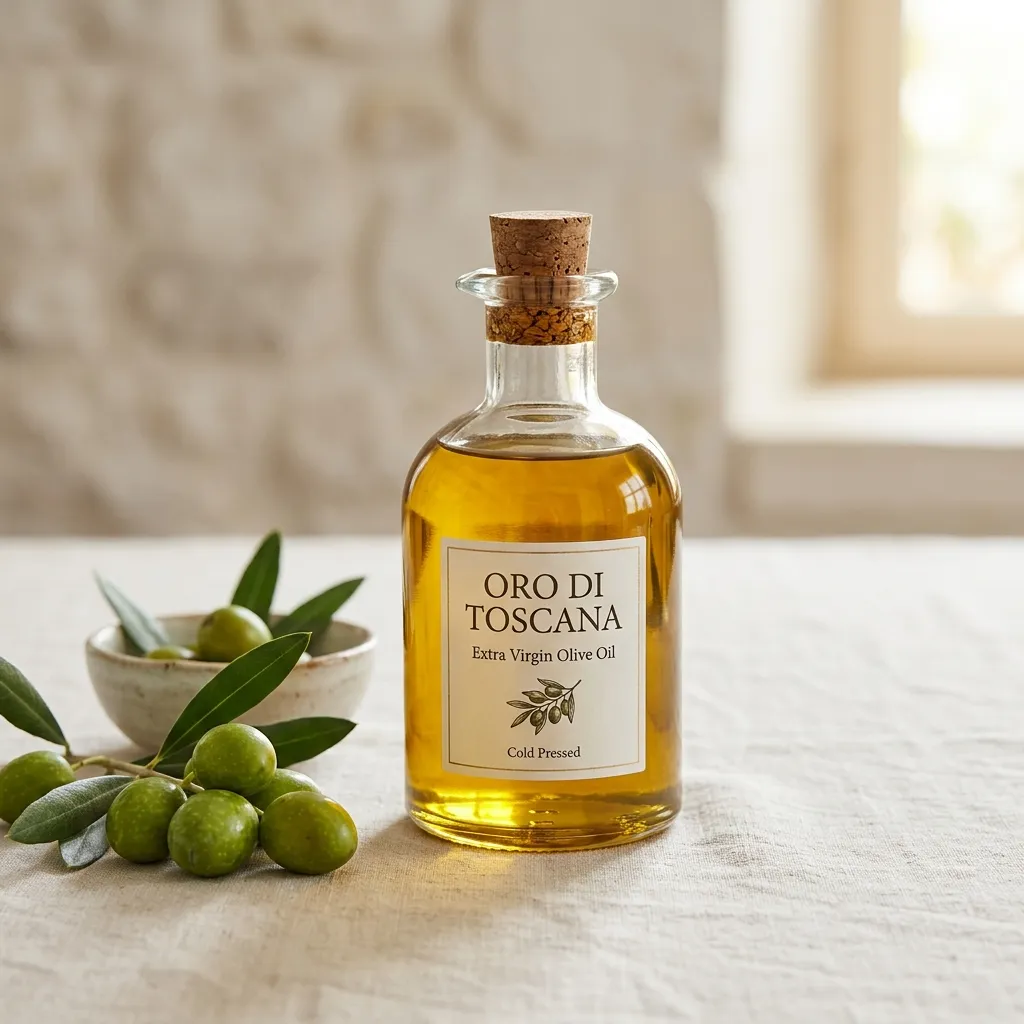
Olive oil is a foundational cooking fat that ranges from grassy and peppery to soft and buttery depending on cultivar and refinement.

Regional names

Extra-virgin olive oil, EVOO

Origin

Pressed fruit oil used for dressing, sauteing, roasting, and finishing across many cuisines.

Native region

Mediterranean basin

Season

Produced after olive harvest; sold year-round
Food Combinations & Timing

Safe Combination Profile

It is safe to eat this food item with other food items.

Nutritional profile

Calories

884 kcal / 100 g

Protein

0 g

Carbs

0 g

Fat

100 g

Fiber

0 g

Water content

0%

Glycemic index

0

Vitamins

  • Vitamin E
  • Vitamin K

Minerals

  • Trace minerals only

Health benefits

Evidence-aligned highlights

  • Rich in monounsaturated fat, especially oleic acid.
  • Extra-virgin forms contribute polyphenols and peppery complexity.
  • Useful for building satiety and carrying flavor in vegetable-forward meals.

Flavor notes

Fruity, Peppery, Grassy, Buttery

Texture

Silky and coating

Aroma

Fresh olive and green leaf notes

Pairings

Tomato, Basil, Lemon, Bread, Beans

Safety & toxicity

Edible parts

Food-grade oil

Toxic or risky parts

Rancid oil should be discarded

Raw vs cooked

Used raw in dressings or for moderate-heat cooking depending on type.

Allergies & intolerances

Olive allergy is rare.

Drug interactions

No major interactions in normal culinary use.

Safe daily limit

Use measured amounts because calories add up quickly even in healthy fats.

⚠️ Notice: This safety profile is a general guideline. Dietary tolerances differ; consult a healthcare professional for allergies or drug interactions. See our full disclaimer.

Who should avoid & how to handle it

Who should avoid or moderate

  • People on very low-fat medical diets should portion accordingly.

Preparation & storage

  • Clean: No cleaning needed; use from sealed bottle.
  • Cut: Not applicable.
  • Cook: Use for dressings, gentle sauteing, roasting, or finishing.
  • Store: Keep tightly closed, cool, and away from light.
  • Preserve: Use within a reasonable window after opening to avoid rancidity.

Cuisine & cultural use

Common cuisines

  • Mediterranean
  • Spanish
  • Italian
  • Levantine

Olive Oil appears in Mediterranean, Spanish, Italian, Levantine, often because its flavor structure and prep speed fit both everyday cooking and ceremonial dishes.

Dynamic Substitutions

No alternatives recorded for this specific item. It is chemically or botanically unique in the database.

🌱 Cultivation & Production

Olive Oil Production Profile

Discover how olive oil is obtained, produced, and how you can craft or prepare it in your own kitchen.

Apartment Friendly

✓ Highly Recommended

Yes

Urban Space Advice

Highly suited for apartments. You can easily produce this item in an apartment kitchen using standard cookware or dehydration equipment.

Source Material

Olives, seeds, nuts, or butter

Primary Method

Cold-pressing, centrifugation, or clarification

Homemade Production Method

  1. 1

    To make Ghee at home: Melt unsalted butter in a saucepan over medium heat.

  2. 2

    Simmer gently as the butter separates into foam, clear liquid, and milk solids.

  3. 3

    Once milk solids turn golden brown at the bottom, strain the liquid through cheesecloth.

  4. 4

    Store the golden clarified oil in a clean jar at room temperature.

Quick recipes

Fast recipes using Olive Oil

Dinner

Garlic Olive Oil Pasta

Sign in to save

A classic Italian comfort dish tossed with golden garlic slices and extra virgin olive oil.

Ingredients

Servings:2
  • 100g spaghetti
  • 3 tbsp extra virgin olive oil
  • 3 cloves garlic, thinly sliced
  • Pinch of red pepper flakes
  • 1 tbsp fresh parsley, chopped

Nutrition

  • 480 kcal
  • 8 g protein
  • 58 g carbs
  • 24 g fat

Preparation Steps

  1. 1Boil spaghetti in salted water according to package directions.
  2. 2While pasta cooks, heat olive oil in a pan over low heat; add garlic slices.
  3. 3Cook garlic until golden (do not burn), then stir in red pepper flakes.
  4. 4Drain pasta, reserving 2 tablespoons of pasta water, and toss with the oil and parsley.

Snack

Quick Basil Pesto Toast

Sign in to save

Crispy toast topped with fresh basil pesto, cherry tomatoes, and flaky salt.

Ingredients

Servings:2
  • 1 slice rustic bread, toasted
  • 1 1/2 tbsp fresh basil pesto
  • 3 cherry tomatoes, halved
  • 1 tsp extra virgin olive oil
  • Flaky sea salt

Nutrition

  • 210 kcal
  • 4 g protein
  • 18 g carbs
  • 13 g fat

Preparation Steps

  1. 1Spread fresh basil pesto over the toasted bread cheek.
  2. 2Top with halved cherry tomatoes.
  3. 3Drizzle with olive oil and sprinkle with flaky sea salt.

Lunch

Avocado Egg Salad

Sign in to save

A creamy egg salad using mashed avocado instead of mayonnaise.

Ingredients

Servings:2
  • 2 hard-boiled eggs, chopped
  • 1/2 ripe avocado
  • 1 tsp lemon juice
  • 1 tsp olive oil
  • Pinch of salt and black pepper

Nutrition

  • 270 kcal
  • 13 g protein
  • 6 g carbs
  • 22 g fat

Preparation Steps

  1. 1In a bowl, mash the avocado with lemon juice and olive oil.
  2. 2Add the chopped hard-boiled eggs.
  3. 3Stir gently, season with salt and pepper, and serve on toast or lettuce leaves.