
StarfruitDurian
Plant-BasedFruits
🟢Safe

Dragon Fruit

Selenicereus undatus

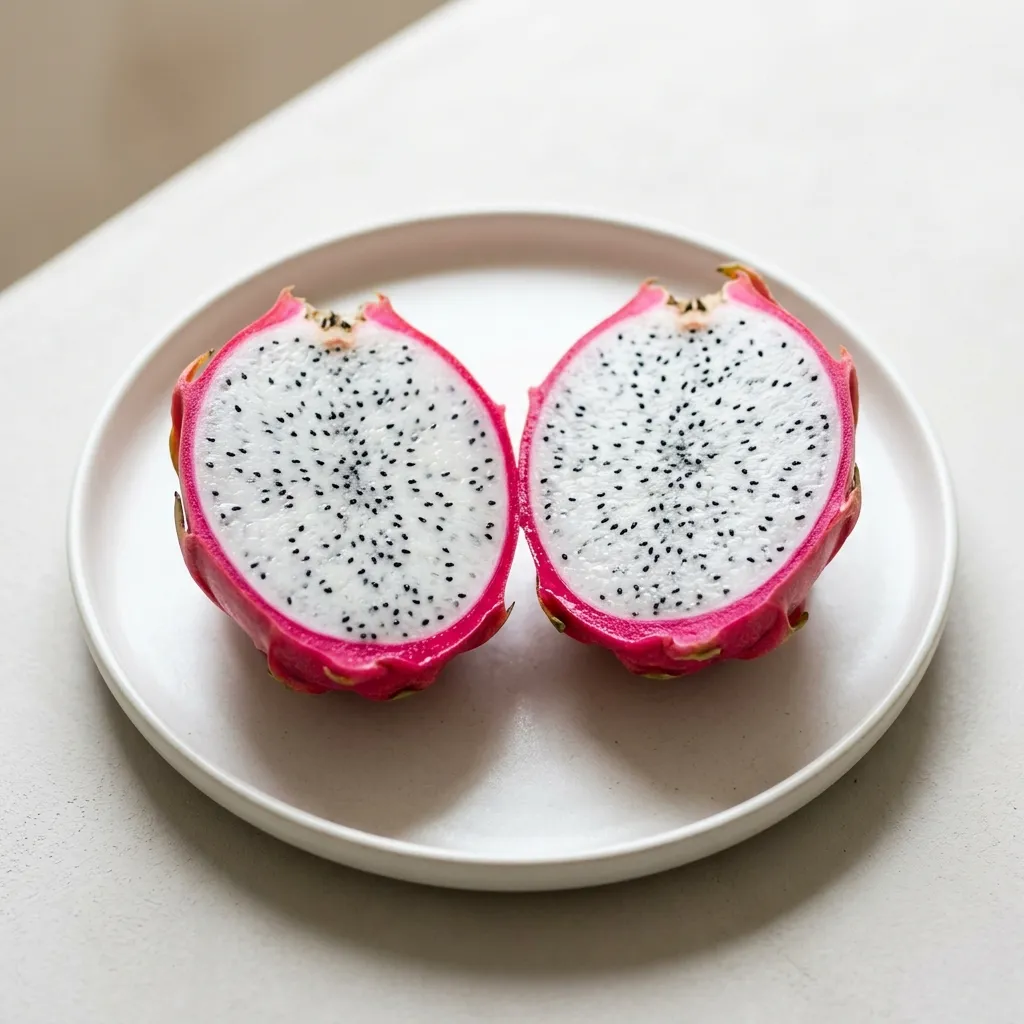
Dragon Fruit is an exotic tropical fruit boasting striking visual details, unique textures, and singular flavor profiles.

Regional names

Dragon Fruit

Origin

Dragon Fruit has been cultivated for centuries, moving from wild native origins along tropical and subtropical trade paths.

Native region

Tropical regions of Central/South America and Southeast Asia

Season

Varies by fruit type and import season
Food Combinations & Timing

Safe Combination Profile

It is safe to eat this food item with other food items.

🌅Best Eaten Before Sunset

Circadian Digestion Rule: Fruits are best consumed during the daytime. As the sun sets, human metabolism slows down and insulin sensitivity decreases as melatonin rises. Eating high-fructose fruits after sunset can trigger blood sugar spikes.

Scientific Reason: Fruits digest extremely rapidly (often within 20–30 minutes). When eaten late at night when gut motility slows down, they can sit and ferment in the digestive tract, leading to gas, bloating, acid reflux, and disrupted sleep.

Nutritional profile

Calories

60 kcal / 100 g

Protein

1.2 g

Carbs

12.9 g

Fat

0.0 g

Fiber

2.9 g

Water content

High (80% to 90%)

Glycemic index

Generally low to moderate

Vitamins

  • Vitamin C
  • Vitamin A
  • Folate

Minerals

  • Potassium
  • Copper
  • Magnesium

Health benefits

Evidence-aligned highlights

  • Rich in protective phytonutrients and antioxidants that combat cell stress.
  • Provides a spectrum of B-vitamins and trace minerals for energy conversion.
  • Contributes soluble prebiotic fiber to cultivate healthy gut bacteria.

Flavor notes

Sweet, Exotic, Tangy, Subtle

Texture

Varies from soft/creamy to jelly-like or crisp

Aroma

Varies from mild and clean to heavily perfumed

Pairings

Lime, Coconut milk, Mango, Pineapple, Yogurt

Safety & toxicity

Edible parts

Flesh/pulp

Toxic or risky parts

Tough outer shell, rind, or skin, Pits or seeds if hard/large

Raw vs cooked

Eaten fresh and raw, or prepared in desserts and purées.

Allergies & intolerances

Exotic fruit allergies are rare but possible; test small amounts if sensitive.

Drug interactions

No typical drug interactions.

Safe daily limit

Moderate portions complement a diverse diet.

⚠️ Notice: This safety profile is a general guideline. Dietary tolerances differ; consult a healthcare professional for allergies or drug interactions. See our full disclaimer.

Who should avoid & how to handle it

Who should avoid or moderate

  • No specific avoid groups; generally safe for children and adults.

Preparation & storage

  • Clean: Rinse the shell or skin under water before cutting.
  • Cut: Cut in half to scoop out the pulp, or peel away the tough outer skin to expose flesh.
  • Cook: Rarely cooked, but pulp can be used in dynamic sauces, sorbets, and glazes.
  • Store: Keep in cool conditions; refrigerate once ripe or cut.
  • Preserve: Freeze pulp or chunks in bags, or process into fruit preserves.

Cuisine & cultural use

Common cuisines

  • Global
  • Tropical
  • Dessert and pastry cuisines

Dragon Fruit appears in Global, Tropical, Dessert and pastry cuisines, often because its flavor structure and prep speed fit both everyday cooking and ceremonial dishes.

Dynamic Substitutions

No alternatives recorded for this specific item. It is chemically or botanically unique in the database.

🌱 Cultivation & Production

Dragon Fruit Home Growing Guide

Learn how to grow and cultivate dragon fruit at home, whether you live in an urban apartment or have access to outdoor garden land.

Apartment Friendly

✓ Highly Recommended

Yes

Urban Space Advice

Possible on balconies. Requires a trellis/stakes for support and manual hand-pollination of flowers.

Difficulty

Medium

Propagation

Seeds

Soil Type

Rich, loamy soil with abundant organic compost

Watering

Heavy (water deeply whenever topsoil dries out)

Sunlight

Full, direct sun (6-8 hours daily)

Best Season

Warm season (Late Spring to Summer)

Step-by-Step Growing Guide

  1. 1

    Sow seeds indoors in small pots, then transplant into a 5-gallon container on a sunny balcony.

  2. 2

    Provide a strong trellis, stakes, or cage for support early in the growth cycle.

  3. 3

    Keep soil watered regularly, as dry soil causes fruit blossom-end rot.

  4. 4

    Gently tap flowers or use a clean cotton swab to hand-pollinate blossoms if growing indoors.

Quick recipes

Fast recipes using Dragon Fruit

Breakfast

Chilled Dragon Fruit Lime Bowl

Sign in to save

Refreshing red dragon fruit cubes tossed with lime juice and mint.

Ingredients

Servings:2
  • 1 large red dragon fruit, cubed
  • 1 tbsp fresh lime juice
  • 1 tsp honey or agave
  • 4-5 fresh mint leaves

Nutrition

  • 85 kcal
  • 1.5 g protein
  • 19 g carbs
  • 0.5 g fat

Preparation Steps

  1. 1Peel and dice dragon fruit into bite-sized cubes.
  2. 2Toss with lime juice and sweetener in a chilled bowl.
  3. 3Garnish with torn mint leaves.