←MintParsley→
Plant-BasedHerbs
🟢Safe

Pandan Leaf

Pandanus amaryllifolius

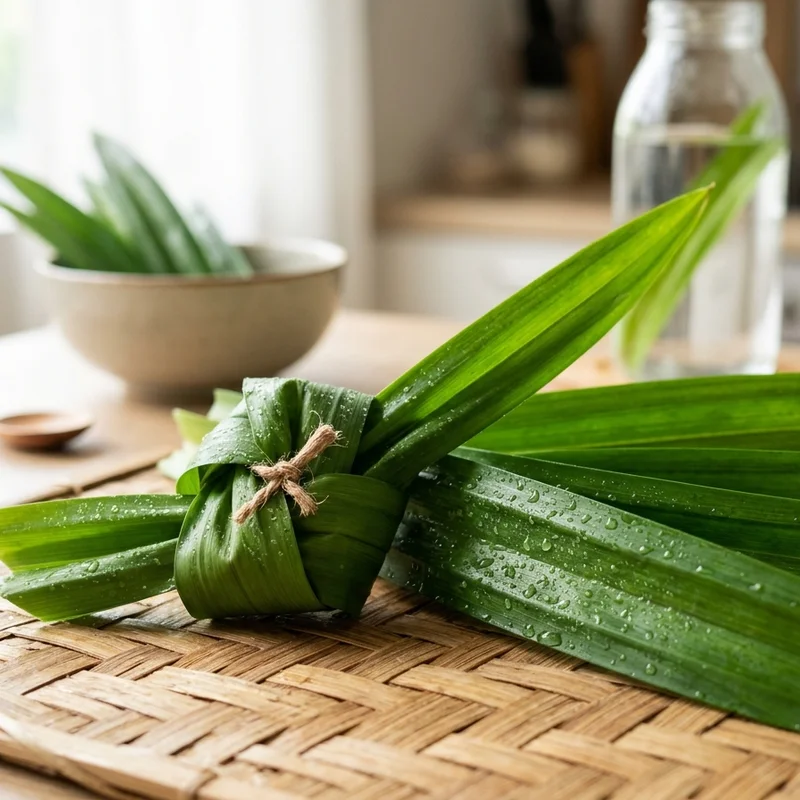
Pandan Leaf is a fresh herb, known for its green and aromatic flavor profile, and rich in essential nutrients like Vitamin K, Vitamin A, Vitamin C.

Regional names

Pandan Leaf

Origin

Pandan Leaf is cataloged inside the fresh herbs lane of herbs.

Native region

Kitchen gardens and herb-growing regions worldwide

Season

Best in peak growing season, though many forms are year-round
Food Combinations & Timing

✅

Safe Combination Profile

It is safe to eat this food item with other food items.

Nutritional profile

Calories

28 kcal / 100 g

Protein

2.8 g

Carbs

4.4 g

Fat

0.7 g

Fiber

2.2 g

Water content

High when fresh, low when dried

Glycemic index

Negligible

Vitamins

  • Vitamin K
  • Vitamin A
  • Vitamin C

Minerals

  • Calcium
  • Iron
  • Manganese

Health benefits

Evidence-aligned highlights

  • Pandan Leaf is grouped with fresh herbs ingredients that commonly contribute flavor, cooking flexibility, and category-specific nutrient value.
  • Pandan Leaf can be compared against other herbs items using the same EatPedia detail layout.
  • Pandan Leaf is ready for future USDA and editorial enrichment while already carrying a structured safety and preparation profile.

Flavor notes

Green, Aromatic, Bright

Texture

Tender leaves or delicate dried fragments depending on form.

Aroma

Fresh, lifted, and volatile, especially when cut or torn.

Pairings

Olive oil, Lemon, Tomato, Butter, Yogurt

Safety & toxicity

Edible parts

Standard edible culinary portions of pandan leaf

Toxic or risky parts

Discard damaged, spoiled, or non-food-grade forms of pandan leaf

Raw vs cooked

Often eaten raw, though many items also work well cooked, infused, or preserved.

Allergies & intolerances

Herb and spice sensitivities can appear as oral irritation or digestive discomfort in some people.

Drug interactions

Normal culinary servings of herbs items usually fit routine diets, but concentrated use can change tolerance or medication timing.

Safe daily limit

Typical meal-sized servings of herbs items are appropriate for most adults when tolerated.

⚠️ Notice: This safety profile is a general guideline. Dietary tolerances differ; consult a healthcare professional for allergies or drug interactions. See our full disclaimer.

Who should avoid & how to handle it

Who should avoid or moderate

  • People with allergies, sensitivities, or medically restricted diets related to fresh herbs items should review tolerance carefully.

Preparation & storage

  • Clean: Wash, sort, or inspect pandan leaf according to its usual market form before use.
  • Cut: Cut, peel, grind, or portion pandan leaf according to the intended recipe and texture target.
  • Cook: Prepare fresh herbs items using the method that best suits their usual culinary form and texture.
  • Store: Use quickly for best aroma, or store stems in water or wrapped lightly depending on the herb.
  • Preserve: Freeze, dry, ferment, or pantry-store pandan leaf according to the form you buy and how quickly you plan to use it.

Cuisine & cultural use

Common cuisines

  • Mediterranean
  • Asian
  • Latin American
  • Modern seasonal cooking

Pandan Leaf appears in Mediterranean, Asian, Latin American, Modern seasonal cooking, often because its flavor structure and prep speed fit both everyday cooking and ceremonial dishes.

Dynamic Substitutions

No alternatives recorded for this specific item. It is chemically or botanically unique in the database.

🌱 Cultivation & Production

Pandan Leaf Home Growing Guide

Learn how to grow and cultivate pandan leaf at home, whether you live in an urban apartment or have access to outdoor garden land.

Apartment Friendly

✓ Highly Recommended

Yes

Urban Space Advice

Excellent for indoor windowsills. Plant in a 6-inch pot with drainage holes.

Difficulty

Easy

Propagation

Seeds or stem cuttings (mint and basil root quickly in water).

Soil Type

Organic potting mix with good aeration

Watering

Moderate (keep damp, don't waterlog)

Sunlight

Bright window / partial sun (4-6 hours daily)

Best Season

Spring to Summer outdoors; year-round indoors

Step-by-Step Growing Guide

  1. 1

    Fill a small pot (with drainage holes) with organic potting soil.

  2. 2

    Sow seeds 1/4 inch deep (or insert a stem cutting that has been rooted in water).

  3. 3

    Place on a sunny windowsill facing south or west.

  4. 4

    Water gently when the topsoil feels dry, and pinch back top growth to keep it bushy.

Quick recipes

Fast recipes using Pandan Leaf

Dinner

Fragrant Pandan Steamed Rice

☆Sign in to save

Fluffy jasmine rice infused with aromatic tied pandan leaves.

Ingredients

Servings:2
  • 1 cup jasmine rice, rinsed until water runs clear
  • 3 fresh pandan leaves, washed and tied into a compact knot
  • 1 1/2 cups water
  • 1/2 tsp fine sea salt

Nutrition

  • 170 kcal
  • 3 g protein
  • 37 g carbs
  • 0.5 g fat

Preparation Steps

  1. 1Combine the rinsed jasmine rice, water, and sea salt in a medium pot.
  2. 2Bruise the tied pandan knot gently with the back of a knife and nestle it into the center of the rice.
  3. 3Bring to a rapid boil, then reduce heat to low, cover tightly, and simmer for 15 minutes.
  4. 4Remove from heat, let rest covered for 5 minutes, discard the pandan knot, fluff with a fork, and serve.