
Pork ChopPork Ribs
Animal-BasedMeat
🟢Safe

Pork Loin

Sus scrofa domesticus loin

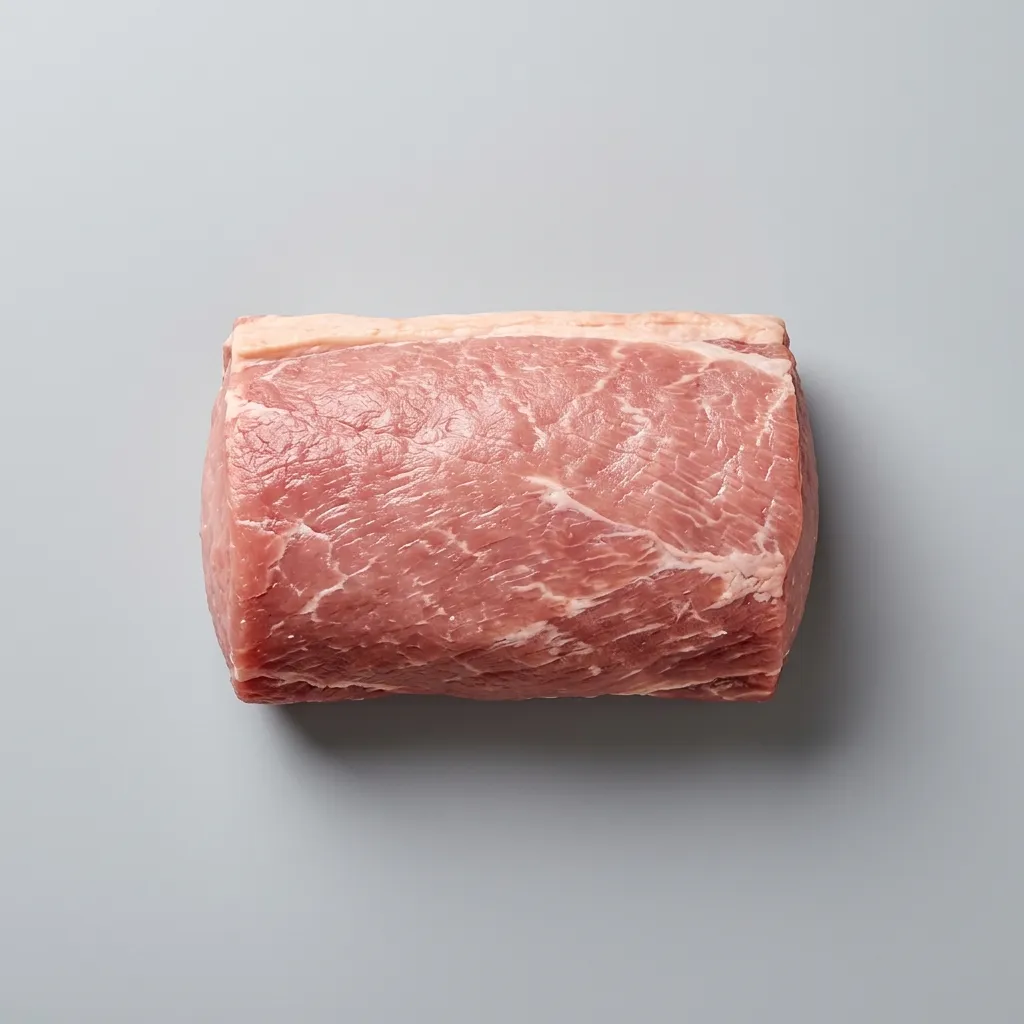
Pork Loin is a pork meat, known for its mild flavor profile, and rich in essential nutrients like Vitamin B12, Niacin, Vitamin B6.

Regional names

Pork Loin

Origin

Pork Loin is cataloged inside the pork lane of meat.

Native region

Global temperate and subtropical zones

Season

Available year-round depending on form, preservation, or sourcing
Food Combinations & Timing

Safe Combination Profile

It is safe to eat this food item with other food items.

Nutritional profile

Calories

271 kcal / 100 g

Protein

28.2 g

Carbs

0 g

Fat

16.9 g

Fiber

0 g

Water content

Moderate (55% to 65%)

Glycemic index

0

Vitamins

  • Vitamin B12
  • Niacin
  • Vitamin B6

Minerals

  • Iron
  • Zinc
  • Selenium
  • Phosphorus

Health benefits

Evidence-aligned highlights

  • Provides key macronutrients and micronutrients that support metabolic vitality.
  • Contributes essential dietary compounds that support tissue structure and recovery.
  • Ready for future custom nutritional mapping.

Flavor notes

Mild

Texture

Crisp

Aroma

Fresh

Pairings

Various flavor pairings

Safety & toxicity

Edible parts

Standard edible portions

Toxic or risky parts

Discard non-food-grade or spoiled forms

Raw vs cooked

Safe to consume according to culinary standards.

Allergies & intolerances

No common allergy warning.

Drug interactions

No major interactions for normal food amounts.

Safe daily limit

Enjoy as part of a balanced diet.

⚠️ Notice: This safety profile is a general guideline. Dietary tolerances differ; consult a healthcare professional for allergies or drug interactions. See our full disclaimer.

Who should avoid & how to handle it

Who should avoid or moderate

  • General population safe.

Preparation & storage

  • Clean: Wash or wipe clean according to the usual market form.
  • Cut: Slice, chop, or portion as needed for your recipe.
  • Cook: Prepared raw or cooked according to recipe preference.
  • Store: Keep in a cool, dry place or refrigerate.
  • Preserve: Freeze or dry for longer storage.

Cuisine & cultural use

Common cuisines

  • Global culinary use

Pork Loin appears in Global culinary use, often because its flavor structure and prep speed fit both everyday cooking and ceremonial dishes.

Dynamic Substitutions

No alternatives recorded for this specific item. It is chemically or botanically unique in the database.

🌱 Cultivation & Production

Pork Loin Production Profile

Discover how pork loin is obtained, produced, and how you can craft or prepare it in your own kitchen.

Apartment Friendly

✗ Not Ideal for Apartments

No

Urban Space Advice

Cannot be grown or raised in a standard residential apartment. Requires livestock farming or professional marine harvesting.

Source Material

Livestock farms (cattle, poultry, or swine)

Primary Method

Animal husbandry and safe butchering

Homemade Production Method

  1. 1

    Store raw meat wrapped airtight in the refrigerator for 3-5 days, or freeze for months.

  2. 2

    To cure meat (e.g. jerky) at home, slice lean cuts very thin.

  3. 3

    Marinate with salt and spices, then dry in a food dehydrator or low oven at 160°F (71°C) for 6-8 hours.

Quick recipes

Fast recipes using Pork Loin

Dinner

Slow-Simmered Pork Loin Stew

Sign in to save

Pork loin chunks slow-simmered with potatoes, onions, garlic, and broth.

Ingredients

Servings:2
  • 400g pork loin, cubed
  • 2 medium potatoes, diced
  • 1 onion, chopped
  • 3 cloves garlic, minced
  • 3 cups chicken or vegetable broth
  • 2 tbsp oil
  • Salt and pepper to taste

Nutrition

  • 420 kcal
  • 34 g protein
  • 24 g carbs
  • 20 g fat

Preparation Steps

  1. 1Sear pork loin cubes in oil in a large stew pot for 5 minutes. Remove pork.
  2. 2Sauté chopped onion and minced garlic in the pot for 3 minutes.
  3. 3Add diced potatoes, seared pork, and pour in broth. Bring to a boil.
  4. 4Cover and simmer on low heat for 55 minutes until pork is tender and potatoes are soft.