PlumApricot
Plant-BasedFruits
🟢Safe

Prune

Prunus domestica (dried)

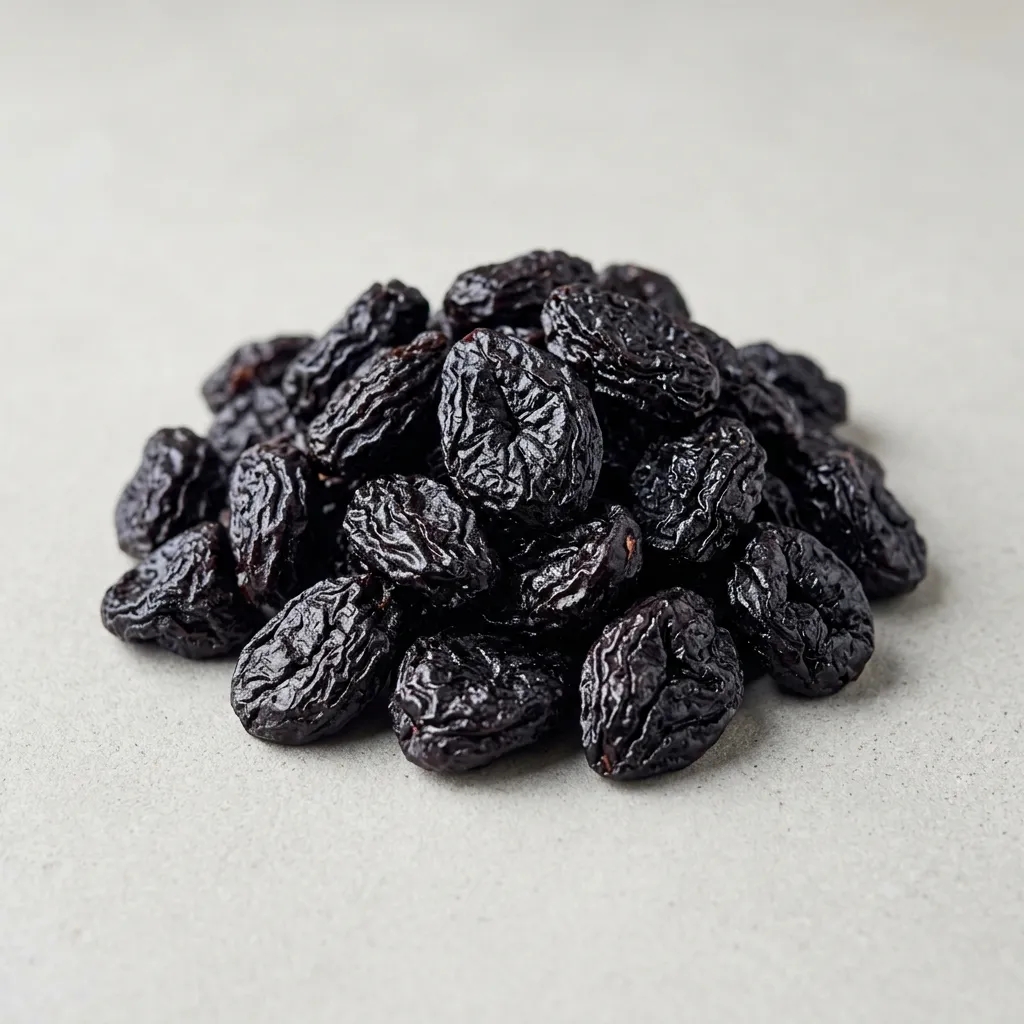
Prune is a fragrant stone fruit featuring a single hard pit and juicy, sweet flesh that softens beautifully upon ripening.

Regional names

Prune

Origin

Prune has been cultivated for centuries, moving from wild native origins along tropical and subtropical trade paths.

Native region

Warm temperate zones of Asia, the Mediterranean, and Europe

Season

Varies by fruit type and import season
Food Combinations & Timing

Safe Combination Profile

It is safe to eat this food item with other food items.

🌅Best Eaten Before Sunset

Circadian Digestion Rule: Fruits are best consumed during the daytime. As the sun sets, human metabolism slows down and insulin sensitivity decreases as melatonin rises. Eating high-fructose fruits after sunset can trigger blood sugar spikes.

Scientific Reason: Fruits digest extremely rapidly (often within 20–30 minutes). When eaten late at night when gut motility slows down, they can sit and ferment in the digestive tract, leading to gas, bloating, acid reflux, and disrupted sleep.

Nutritional profile

Calories

42 kcal / 100 g

Protein

0.9 g

Carbs

10.2 g

Fat

0.3 g

Fiber

1.9 g

Water content

High (80% to 90%)

Glycemic index

Generally low to moderate

Vitamins

  • Vitamin C
  • Vitamin A
  • Folate

Minerals

  • Potassium
  • Copper
  • Magnesium

Health benefits

Evidence-aligned highlights

  • Provides beta-carotene (provitamin A) to support eye tissues and skin barrier integrity.
  • Supplies potassium to regulate cellular fluid pressure and nerve signaling.
  • Contains dietary fiber and sorbitol, assisting digestive ease and regularity.

Flavor notes

Sweet, Stone-fruit-like, Honeyed, Slightly acidic at skin

Texture

Juicy, firm, or meltingly soft

Aroma

Fragrant, floral, and peach-like

Pairings

Ginger, Vanilla, Pork, Greek yogurt, Walnuts, Cinnamon

Safety & toxicity

Edible parts

Skin, Flesh

Toxic or risky parts

Pit/stone (contains amygdalin, a cyanide compound; do not break open or ingest the seed)

Raw vs cooked

Eaten fresh and raw, or poached, baked, and dried for winter months.

Allergies & intolerances

Oral allergy syndrome may occur in individuals with birch or grass pollen allergies.

Drug interactions

No typical interactions with common medicines.

Safe daily limit

1 to 2 medium fruits daily.

⚠️ Notice: This safety profile is a general guideline. Dietary tolerances differ; consult a healthcare professional for allergies or drug interactions. See our full disclaimer.

Who should avoid & how to handle it

Who should avoid or moderate

  • Individuals sensitive to FODMAPs (specifically sorbitol) may moderate intake to prevent gas.

Preparation & storage

  • Clean: Wash skin under cold water, rubbing gently to remove dust or fuzz.
  • Cut: Slice around the natural seam, twist to separate halves, and pull out the hard pit.
  • Cook: Bake, grill, or poach in spiced syrups to concentrate natural sugars.
  • Store: Store at room temp until soft and fragrant, then refrigerate.
  • Preserve: Dehydrate halves into dry fruit, freeze slices, or make jam.

Cuisine & cultural use

Common cuisines

  • Global
  • Tropical
  • Dessert and pastry cuisines

Prune appears in Global, Tropical, Dessert and pastry cuisines, often because its flavor structure and prep speed fit both everyday cooking and ceremonial dishes.

Dynamic Substitutions

No alternatives recorded for this specific item. It is chemically or botanically unique in the database.

🌱 Cultivation & Production

Prune Home Growing Guide

Learn how to grow and cultivate prune at home, whether you live in an urban apartment or have access to outdoor garden land.

Apartment Friendly

✗ Not Ideal for Apartments

No

Urban Space Advice

Not recommended for apartments unless using specialized dwarf varieties in large, heavy pots.

Difficulty

Hard

Propagation

Grafting (commercial propagation) or seeds (slower growth).

Soil Type

Deep, well-draining garden soil

Watering

Deep watering once a week

Sunlight

Full sun (8+ hours daily)

Best Season

Spring planting; fruits in Summer/Autumn

Step-by-Step Growing Guide

  1. 1

    For garden planting: Choose a sunny spot with deep, fertile, well-draining soil.

  2. 2

    Dig a hole twice as wide as the root ball and plant at the same depth as the container.

  3. 3

    Water deeply once a week, especially during the first two years and during fruiting.

  4. 4

    Prune annually in late winter to remove dead wood and shape the tree for sun exposure.

Quick recipes

Fast recipes using Prune

Recipe links for Prune have not been seeded yet, but the full nutrition, safety, preparation, cuisine, and pairing details for this ingredient are already available above.