SpinachWatercress
Plant-BasedVegetables
🟢Safe

Swiss Chard

Beta vulgaris subsp. vulgaris

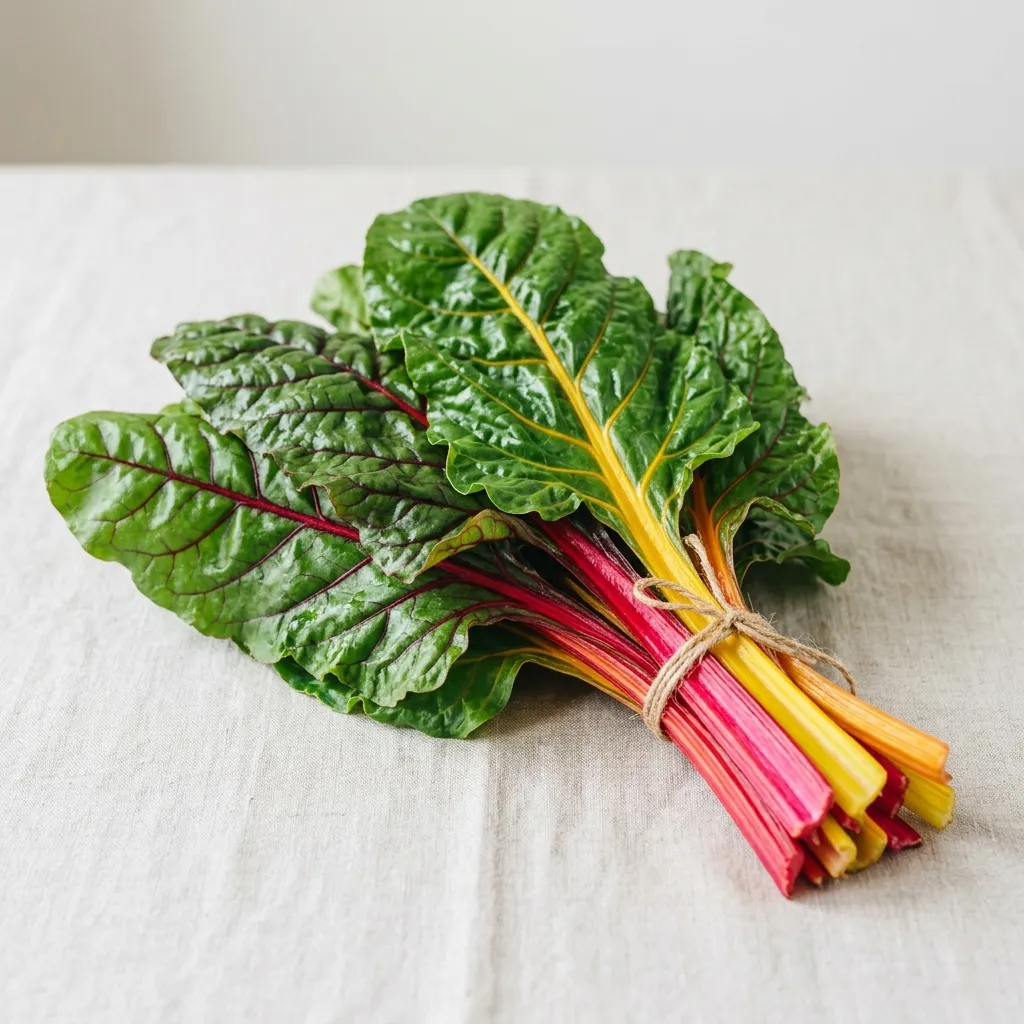
Swiss Chard is a nutrient-dense leafy green, valued for its high chlorophyll content, iron, folate, and quick-cooking versatility.

Regional names

Swiss Chard

Origin

Swiss Chard has been bred globally for crop density, edible leaves, roots, and pods, anchoring agriculture across continents.

Native region

Eurasia and North Africa, cultivated globally in temperate zones

Season

Highly seasonal by crop, with some year-round supply
Food Combinations & Timing

⚠️Potential Interaction Conflict

Avoid consuming with: High-calcium foods (like raw milk or cheese) if prone to kidney stones

Waiting Interval: Cook/blanch the greens first, or space by 1-2 hours

These greens contain high levels of oxalic acid. When consumed raw alongside high-calcium foods, oxalates bind to calcium in the digestive tract, forming insoluble calcium oxalate. Blanching the greens beforehand reduces soluble oxalates by up to 50%.

Nutritional profile

Calories

19 kcal / 100 g

Protein

1.8 g

Carbs

3.7 g

Fat

0.2 g

Fiber

1.6 g

Water content

Very high (90% to 93%)

Glycemic index

Low

Vitamins

  • Vitamin C
  • Vitamin K
  • Vitamin A

Minerals

  • Potassium
  • Folate
  • Calcium

Health benefits

Evidence-aligned highlights

  • Abundant in vitamin K1, essential for blood clotting and regulating bone calcium binding.
  • Supplies active folate (vitamin B9), critical for cellular division and DNA repair.
  • Contains lutein and zeaxanthin, carotenoids that accumulate in the retina to support vision.

Flavor notes

Green, Earthy, Slightly bitter, Peppery

Texture

Crisp raw, tender and silky when cooked

Aroma

Fresh and grassy

Pairings

Garlic, Lemon juice, Olive oil, Parmesan, Vinegar, Pine nuts

Safety & toxicity

Edible parts

Leaves, Tender stems

Toxic or risky parts

Tough woody stems (culinarily discarded, but non-toxic)

Raw vs cooked

Eating cooked spinach decreases oxalate load slightly and improves absorption of calcium and iron.

Allergies & intolerances

Leafy greens are very low-allergen; mustard greens may trigger rare mustard sensitivities.

Drug interactions

High vitamin K levels can interfere with dosage consistency of blood thinners like warfarin.

Safe daily limit

1 to 2 cups of raw greens daily is highly beneficial.

⚠️ Notice: This safety profile is a general guideline. Dietary tolerances differ; consult a healthcare professional for allergies or drug interactions. See our full disclaimer.

Who should avoid & how to handle it

Who should avoid or moderate

  • Contains high oxalates; individuals prone to calcium oxalate kidney stones should moderate intake, especially raw.

Preparation & storage

  • Clean: Submerge in cold water to dislodge dirt and sand, spin dry or pat with clean towels.
  • Cut: Strip leaves from woody central stems, chop or slice into thin ribbons.
  • Cook: Massage with oil and lemon for raw salads, or sauté in garlic and oil for 2-4 minutes.
  • Store: Refrigerate in a container with dry paper towels to absorb excess moisture; keep crisp.
  • Preserve: Blanch in boiling water for 2 minutes, plunge into ice water, drain, and freeze.

Cuisine & cultural use

Common cuisines

  • Global savory cooking
  • Soups, stews, and roasted sides

Swiss Chard appears in Global savory cooking, Soups, stews, and roasted sides, often because its flavor structure and prep speed fit both everyday cooking and ceremonial dishes.

Dynamic Substitutions

No alternatives recorded for this specific item. It is chemically or botanically unique in the database.

🌱 Cultivation & Production

Swiss Chard Home Growing Guide

Learn how to grow and cultivate swiss chard at home, whether you live in an urban apartment or have access to outdoor garden land.

Apartment Friendly

✓ Highly Recommended

Yes

Urban Space Advice

Highly suited for balcony planters or wide pots at least 6-8 inches deep.

Difficulty

Easy

Propagation

Seeds

Soil Type

Loose, nutrient-rich soil with good drainage

Watering

Regular (keep soil consistently moist)

Sunlight

Partial sun or bright indirect light (4 hours daily)

Best Season

Cooler seasons (Spring or Autumn)

Step-by-Step Growing Guide

  1. 1

    Sow seeds thinly across a wide, shallow balcony container.

  2. 2

    Cover lightly with 1/8 inch of compost and mist thoroughly.

  3. 3

    Keep in a bright, cool spot; thin seedlings early to about 3 inches apart.

  4. 4

    Harvest outer leaves continuously once they reach 4 inches tall so the plant keeps producing.

Quick recipes

Fast recipes using Swiss Chard

Recipe links for Swiss Chard have not been seeded yet, but the full nutrition, safety, preparation, cuisine, and pairing details for this ingredient are already available above.