
PomeloYuzu
Plant-BasedFruits
🟢Safe

Tangerine

Citrus reticulata

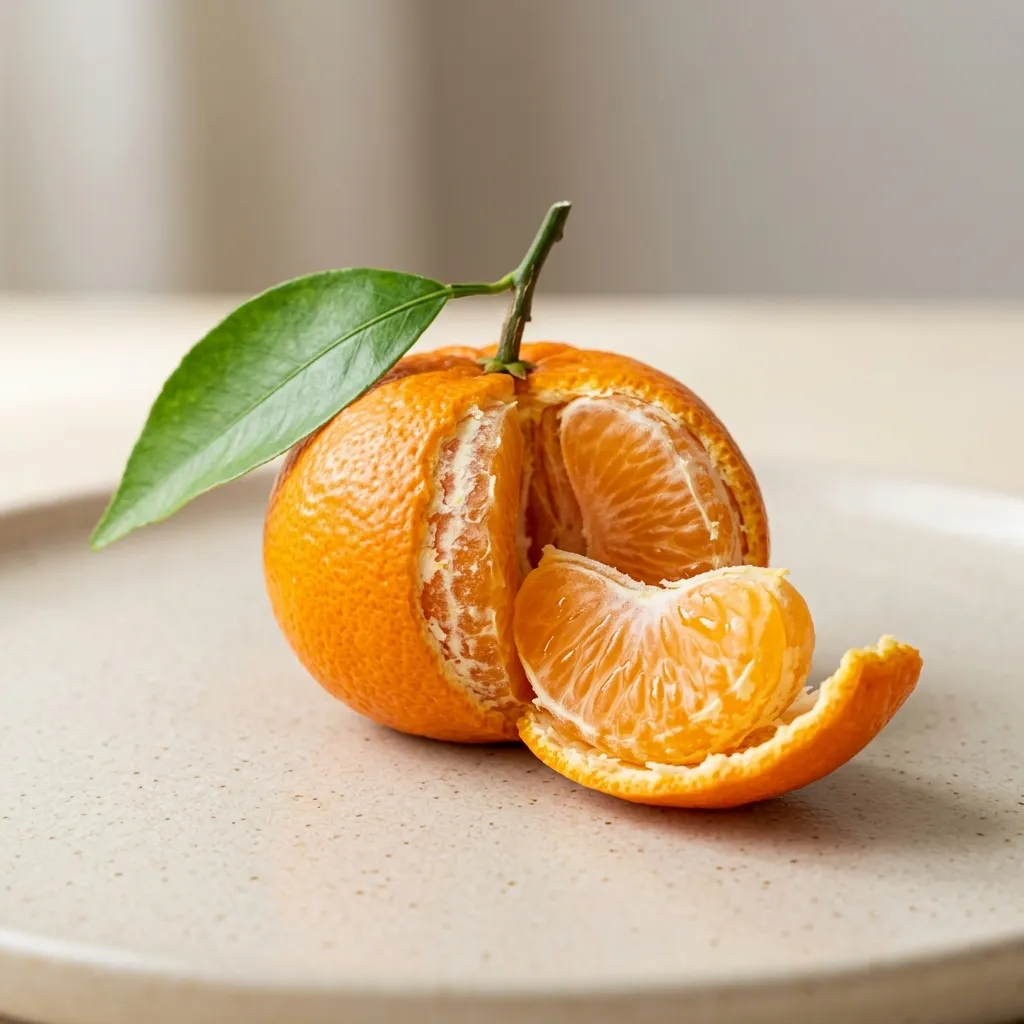
Tangerine is a bright, high-acid citrus fruit, prized for its refreshing juice, essential-oil-rich zest, and culinary balancing power.

Regional names

Tangerine

Origin

Tangerine has been cultivated for centuries, moving from wild native origins along tropical and subtropical trade paths.

Native region

Southeast Asia, southern China, and northeastern India

Season

Varies by fruit type and import season
Food Combinations & Timing

Safe Combination Profile

It is safe to eat this food item with other food items.

🌅Best Eaten Before Sunset

Circadian Digestion Rule: Fruits are best consumed during the daytime. As the sun sets, human metabolism slows down and insulin sensitivity decreases as melatonin rises. Eating high-fructose fruits after sunset can trigger blood sugar spikes.

Scientific Reason: Fruits digest extremely rapidly (often within 20–30 minutes). When eaten late at night when gut motility slows down, they can sit and ferment in the digestive tract, leading to gas, bloating, acid reflux, and disrupted sleep.

Nutritional profile

Calories

53 kcal / 100 g

Protein

0.8 g

Carbs

13.3 g

Fat

0.3 g

Fiber

1.8 g

Water content

Very high (87% to 90%)

Glycemic index

Generally low to moderate

Vitamins

  • Vitamin C
  • Vitamin A
  • Folate

Minerals

  • Potassium
  • Copper
  • Magnesium

Health benefits

Evidence-aligned highlights

  • Rich in vitamin C, a powerful antioxidant that protects cells from oxidative damage.
  • Supplies citric acid, which increases the bioavailability of non-heme iron from iron-rich plants.
  • Contains pectin, a soluble fiber that supports healthy cholesterol and blood glucose levels.

Flavor notes

Tart, Acidic, Zesty, Tangy, Slightly bitter

Texture

Juicy and segmented

Aroma

Bright, zesty, clean, and vaporous

Pairings

Fish, Chicken, Cilantro, Mint, Olive oil, Honey, Black pepper

Safety & toxicity

Edible parts

Juice, Flesh, Zest (outer peel)

Toxic or risky parts

Seeds (non-toxic but bitter/hard), White pith (bitter but non-toxic)

Raw vs cooked

Eaten raw as juice, segments, or zest, though often cooked into marmalades, curds, or savory glazes.

Allergies & intolerances

Citrus allergy is rare but can cause oral contact dermatitis or hives in sensitive individuals.

Drug interactions

No major interactions for most citrus, except grapefruit and its hybrids, which affect drug metabolism.

Safe daily limit

Enjoy freely in juices, salads, and dressings.

⚠️ Notice: This safety profile is a general guideline. Dietary tolerances differ; consult a healthcare professional for allergies or drug interactions. See our full disclaimer.

Who should avoid & how to handle it

Who should avoid or moderate

  • Individuals with active acid reflux or GERD may moderate acidic citrus intake.

Preparation & storage

  • Clean: Wash the outer peel thoroughly under running water, especially if harvesting zest.
  • Cut: Slice into wedges, cut wheels, peel segments, or grate the thin outer zest layer.
  • Cook: Use juice to deglaze pans or dress salads; use zest to finish dishes without losing aromatic oils.
  • Store: Store at room temperature for up to a week, or refrigerate for up to 3 weeks.
  • Preserve: Squeeze and freeze juice, dry the zest, or preserve whole citrus in salt brine.

Cuisine & cultural use

Common cuisines

  • Global
  • Tropical
  • Dessert and pastry cuisines

Tangerine appears in Global, Tropical, Dessert and pastry cuisines, often because its flavor structure and prep speed fit both everyday cooking and ceremonial dishes.

Dynamic Substitutions

No alternatives recorded for this specific item. It is chemically or botanically unique in the database.

🌱 Cultivation & Production

Tangerine Home Growing Guide

Learn how to grow and cultivate tangerine at home, whether you live in an urban apartment or have access to outdoor garden land.

Apartment Friendly

✗ Not Ideal for Apartments

No

Urban Space Advice

Not recommended for apartments unless using specialized dwarf varieties in large, heavy pots.

Difficulty

Hard

Propagation

Grafting (commercial propagation) or seeds (slower growth).

Soil Type

Deep, well-draining garden soil

Watering

Deep watering once a week

Sunlight

Full sun (8+ hours daily)

Best Season

Spring planting; fruits in Summer/Autumn

Step-by-Step Growing Guide

  1. 1

    For garden planting: Choose a sunny spot with deep, fertile, well-draining soil.

  2. 2

    Dig a hole twice as wide as the root ball and plant at the same depth as the container.

  3. 3

    Water deeply once a week, especially during the first two years and during fruiting.

  4. 4

    Prune annually in late winter to remove dead wood and shape the tree for sun exposure.

Quick recipes

Fast recipes using Tangerine

Side

Tangerine Avocado Fennel Salad

Sign in to save

A bright winter salad tossing sweet tangerine segments with creamy avocado and crisp shaved fennel.

Ingredients

Servings:2
  • 2 tangerines, peeled and segmented
  • 1 ripe avocado, cubed
  • 1/2 cup fennel bulb, thinly shaved
  • 1 tbsp olive oil
  • 1 tsp white wine vinegar

Nutrition

  • 195 kcal
  • 2 g protein
  • 14 g carbs
  • 16 g fat

Preparation Steps

  1. 1Whisk olive oil and white wine vinegar in a large bowl.
  2. 2Add shaved fennel and toss to coat.
  3. 3Gently fold in tangerine segments and cubed avocado just before serving.