←Urad DalYellow Lentils→
Plant-BasedLegumes & Pulses
🟢Safe

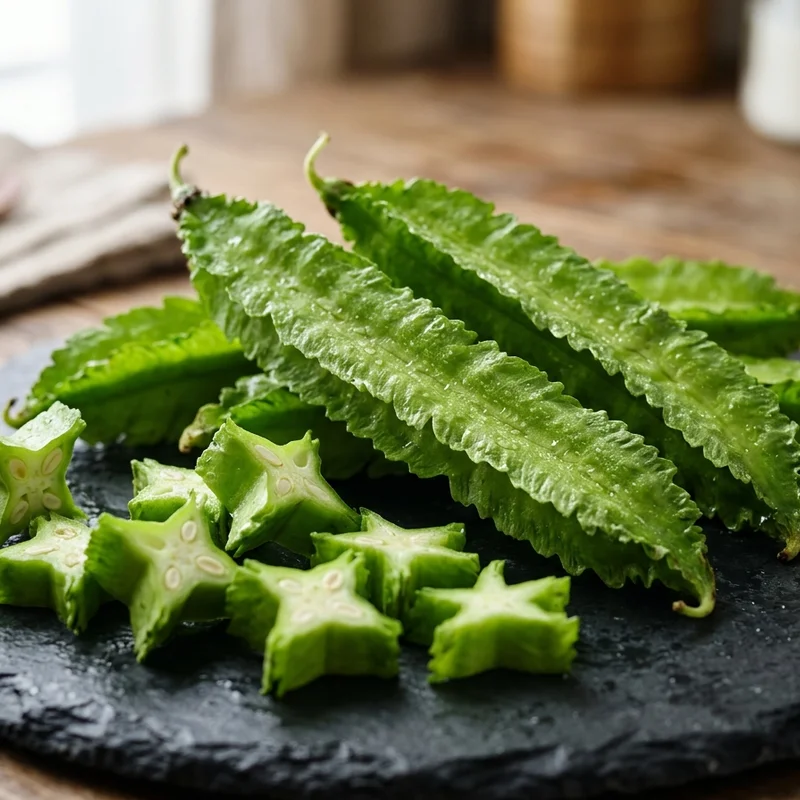
Winged Bean

Psophocarpus tetragonolobus

Winged Bean is a lentils leguminous food, known for its lentils and savory flavor profile, and rich in essential nutrients like Folate, Thiamin, Vitamin B6.

Regional names

Winged Bean

Origin

Winged Bean is cataloged inside the lentils lane of legumes & pulses.

Native region

Global pulse-growing regions with strong dryland farming tradition

Season

Available year-round depending on form, preservation, or sourcing
Food Combinations & Timing

✅

Safe Combination Profile

It is safe to eat this food item with other food items.

Nutritional profile

Calories

123 kcal / 100 g

Protein

9.5 g

Carbs

21.2 g

Fat

0.4 g

Fiber

8.4 g

Water content

Moderate when cooked (60% to 70%)

Glycemic index

Low to moderate

Vitamins

  • Folate
  • Thiamin
  • Vitamin B6

Minerals

  • Iron
  • Magnesium
  • Potassium
  • Zinc

Health benefits

Evidence-aligned highlights

  • Winged Bean is grouped with lentils ingredients that commonly contribute flavor, cooking flexibility, and category-specific nutrient value.
  • Winged Bean can be compared against other legumes & pulses items using the same EatPedia detail layout.
  • Winged Bean is ready for future USDA and editorial enrichment while already carrying a structured safety and preparation profile.

Flavor notes

Lentils, Savory, Balanced

Texture

Texture varies across lentils items and how they are prepared.

Aroma

Lentils aroma varies by variety, freshness, and preparation.

Pairings

Lemon, Tahini, Cumin, Herbs, Rice

Safety & toxicity

Edible parts

Standard edible culinary portions of winged bean

Toxic or risky parts

Discard damaged, spoiled, or non-food-grade forms of winged bean

Raw vs cooked

Use lentils items according to the ingredient's normal culinary form, whether raw, cooked, dried, soaked, or preserved.

Allergies & intolerances

People with known sensitivities to legumes & pulses items should confirm tolerance before larger servings.

Drug interactions

Normal culinary servings of legumes & pulses items usually fit routine diets, but concentrated use can change tolerance or medication timing.

Safe daily limit

Typical meal-sized servings of legumes & pulses items are appropriate for most adults when tolerated.

⚠️ Notice: This safety profile is a general guideline. Dietary tolerances differ; consult a healthcare professional for allergies or drug interactions. See our full disclaimer.

Who should avoid & how to handle it

Who should avoid or moderate

  • People with allergies, sensitivities, or medically restricted diets related to lentils items should review tolerance carefully.

Preparation & storage

  • Clean: Wash, sort, or inspect winged bean according to its usual market form before use.
  • Cut: Cut, peel, grind, or portion winged bean according to the intended recipe and texture target.
  • Cook: Prepare lentils items using the method that best suits their usual culinary form and texture.
  • Store: Store in the usual food-safe way for the product form you buy: fresh, dried, fermented, or shelf-stable.
  • Preserve: Freeze, dry, ferment, or pantry-store winged bean according to the form you buy and how quickly you plan to use it.

Cuisine & cultural use

Common cuisines

  • Middle Eastern
  • Indian
  • Mediterranean
  • Weeknight meal prep

Winged Bean appears in Middle Eastern, Indian, Mediterranean, Weeknight meal prep, often because its flavor structure and prep speed fit both everyday cooking and ceremonial dishes.

Dynamic Substitutions

No alternatives recorded for this specific item. It is chemically or botanically unique in the database.

🌱 Cultivation & Production

Winged Bean Home Growing Guide

Learn how to grow and cultivate winged bean at home, whether you live in an urban apartment or have access to outdoor garden land.

Apartment Friendly

✗ Not Ideal for Apartments

No

Urban Space Advice

Not recommended for apartments unless using specialized dwarf varieties in large, heavy pots.

Difficulty

Hard

Propagation

Grafting (commercial propagation) or seeds (slower growth).

Soil Type

Deep, well-draining garden soil

Watering

Deep watering once a week

Sunlight

Full sun (8+ hours daily)

Best Season

Spring planting; fruits in Summer/Autumn

Step-by-Step Growing Guide

  1. 1

    For garden planting: Choose a sunny spot with deep, fertile, well-draining soil.

  2. 2

    Dig a hole twice as wide as the root ball and plant at the same depth as the container.

  3. 3

    Water deeply once a week, especially during the first two years and during fruiting.

  4. 4

    Prune annually in late winter to remove dead wood and shape the tree for sun exposure.

Quick recipes

Fast recipes using Winged Bean

Dinner

Coconut Milk Braised Winged Beans (Gising-Gising)

☆Sign in to save

Four-cornered winged beans slow-simmered in rich coconut milk with chilies and garlic.

Ingredients

Servings:2
  • 3 cups fresh winged beans, trimmed and sliced crosswise into star-shaped disks
  • 1 can (400ml) full-fat coconut milk
  • 3 cloves garlic, minced
  • 1 red chili, sliced
  • 1 tbsp cooking oil
  • 1/2 tsp sea salt

Nutrition

  • 220 kcal
  • 6 g protein
  • 14 g carbs
  • 17 g fat

Preparation Steps

  1. 1Heat cooking oil in a saucepan; sauté minced garlic and sliced red chili for 1 minute.
  2. 2Pour in half of the coconut milk and bring to a simmer, reducing for 15 minutes until coconut oil separates slightly.
  3. 3Add the sliced winged beans and season with sea salt.
  4. 4Pour in the remaining coconut milk, reduce heat to low, and simmer uncovered for 45 minutes until the coconut milk thickens to a creamy, rich sauce coating the tender beans.