
WatercressArugula
Plant-BasedVegetables
🟢Safe
Medically Reviewed

Clinical Quality Verification

Reviewed By: Sarah Jenkins, MS, RD, LDN

Review Date: 2026-07-14

"Highly recommended for iron and folate replenishment. Oxalate values are manageable when blanched or cooked."

Amaranth Leaves

Amaranthus cruentus

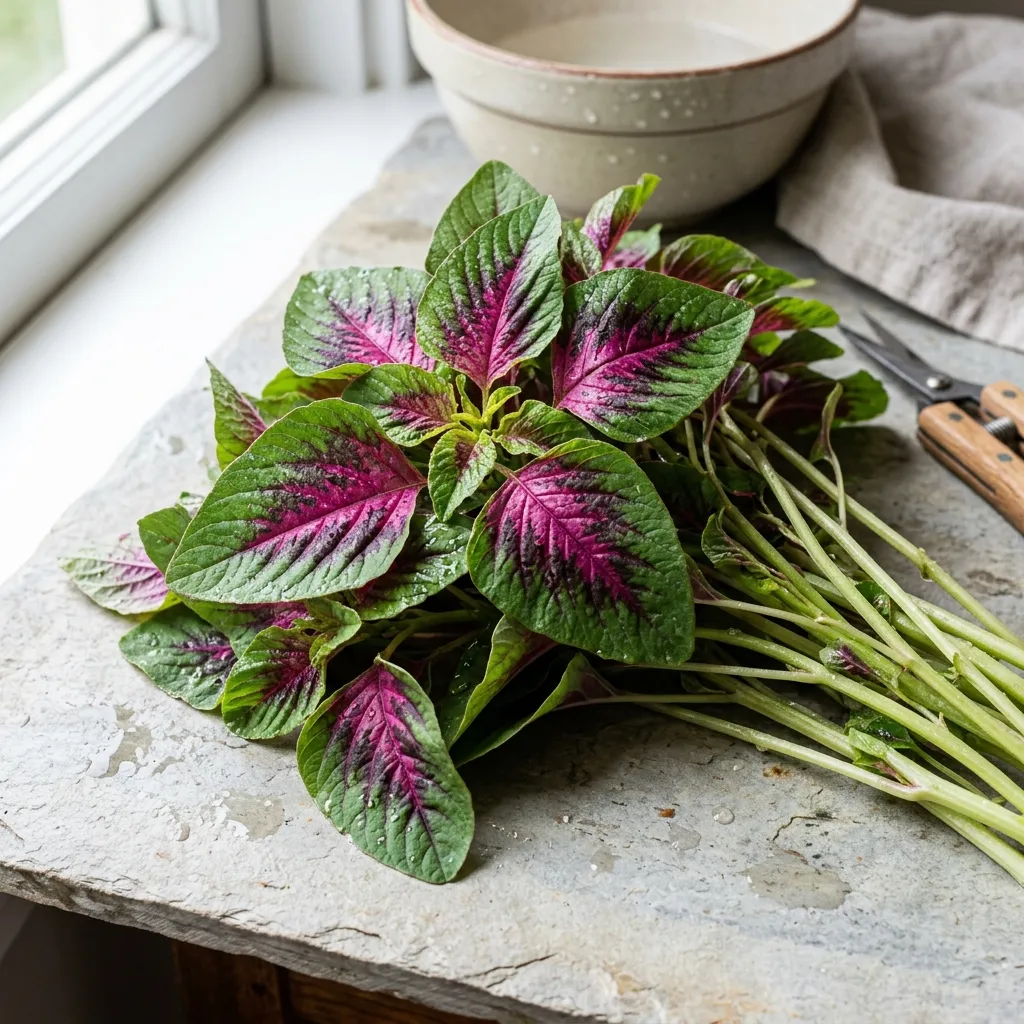
Amaranth leaves are tender, earthy, and nutrient-dense greens, highly valued in traditional cuisines for their rich iron, folate, and antioxidant content.

Regional names

Chaulai Saag, Rajgira Leaves, Chinese Spinach

Origin

Cultivated extensively across ancient Mesoamerica and South Asia for their edible seeds and leafy greens.

Native region

Central America and South Asia

Season

Year-round in tropical regions, peak availability in summer and monsoon seasons.
Food Combinations & Timing

⚠️Potential Interaction Conflict

Avoid consuming with: High-calcium foods (like raw milk or cheese) if prone to kidney stones

Waiting Interval: Cook/blanch the greens first, or space by 1-2 hours

These greens contain high levels of oxalic acid. When consumed raw alongside high-calcium foods, oxalates bind to calcium in the digestive tract, forming insoluble calcium oxalate. Blanching the greens beforehand reduces soluble oxalates by up to 50%.

Nutritional profile

Calories

23 kcal / 100 g

Protein

2.5 g

Carbs

4.0 g

Fat

0.3 g

Fiber

2.1 g

Water content

91%

Glycemic index

25

Vitamins

  • Vitamin A
  • Vitamin C
  • Vitamin K
  • Folate

Minerals

  • Calcium
  • Iron
  • Magnesium
  • Potassium

Health benefits

Evidence-aligned highlights

  • Extremely rich in iron and folate, supporting healthy red blood cell production.
  • High vitamin K content promotes optimal bone mineralization and blood clotting.
  • Abundant antioxidants protect cells from oxidative stress and reduce inflammation.

Flavor notes

Earthy, Mildly sweet, Spinach-like, Herbaceous

Texture

Tender and delicate

Aroma

Fresh and grassy

Pairings

Garlic, Cumin, Mustard oil, Chilies, Potatoes, Lentils

Safety & toxicity

Edible parts

Tender leaves and soft stems

Toxic or risky parts

Discard tough, woody lower stems and yellowed leaves

Raw vs cooked

Best eaten cooked (steamed, blanched, or stir-fried) to reduce soluble oxalate levels.

Allergies & intolerances

Allergies are exceedingly rare, but individual sensitivities exist.

Drug interactions

High vitamin K content can interfere with blood-thinning medications (e.g. warfarin).

Safe daily limit

1 to 2 cups cooked leaves daily is an excellent, safe serving.

⚠️ Notice: This safety profile is a general guideline. Dietary tolerances differ; consult a healthcare professional for allergies or drug interactions. See our full disclaimer.

Who should avoid & how to handle it

Who should avoid or moderate

  • Individuals with a history of calcium oxalate kidney stones should moderate raw consumption.

Preparation & storage

  • Clean: Rinse leaves repeatedly in a large bowl of cold water to remove soil and grit.
  • Cut: Chop leaves and tender stems finely or coarsely depending on the dish requirements.
  • Cook: Sauté with garlic and cumin, blanch for salads, or simmer in lentils and curries.
  • Store: Wrap in a damp paper towel and store in a perforated plastic bag in the refrigerator for up to 3 days.
  • Preserve: Blanch for 2 minutes, plunge in ice water, squeeze out excess moisture, and freeze in sealed bags.

Cuisine & cultural use

Common cuisines

  • Indian
  • Chinese
  • Caribbean
  • Mexican

Amaranth Leaves appears in Indian, Chinese, Caribbean, Mexican, often because its flavor structure and prep speed fit both everyday cooking and ceremonial dishes.

Dynamic Substitutions

Spinach📉 Low Glycemic

Spinach is low-GI and shares similar iron and folate density, making it a drop-in leaf substitute.

Kale🔄 Culinary Swap

Kale is another nutrient-dense green with high vitamin K and C, though it requires slightly longer cooking.

🌱 Cultivation & Production

Amaranth Leaves Home Growing Guide

Learn how to grow and cultivate amaranth leaves at home, whether you live in an urban apartment or have access to outdoor garden land.

Apartment Friendly

✓ Highly Recommended

Yes

Urban Space Advice

Highly suited for balcony planters or wide pots at least 6-8 inches deep.

Difficulty

Easy

Propagation

Seeds

Soil Type

Loose, nutrient-rich soil with good drainage

Watering

Regular (keep soil consistently moist)

Sunlight

Partial sun or bright indirect light (4 hours daily)

Best Season

Cooler seasons (Spring or Autumn)

Step-by-Step Growing Guide

  1. 1

    Sow seeds thinly across a wide, shallow balcony container.

  2. 2

    Cover lightly with 1/8 inch of compost and mist thoroughly.

  3. 3

    Keep in a bright, cool spot; thin seedlings early to about 3 inches apart.

  4. 4

    Harvest outer leaves continuously once they reach 4 inches tall so the plant keeps producing.

Quick recipes

Fast recipes using Amaranth Leaves

Lunch

Amaranth Leaves Stir Fry (Chaulai Saag)

Sign in to save

A nutritious, quick Indian stir-fry of fresh amaranth leaves with cumin, garlic, and chilies.

Ingredients

Servings:2
  • 3 cups fresh amaranth leaves, chopped
  • 1 tbsp mustard oil
  • 1/2 tsp cumin seeds
  • 2 garlic cloves, sliced
  • 1 green chili, slit

Nutrition

  • 85 kcal
  • 3 g protein
  • 6 g carbs
  • 5 g fat

Preparation Steps

  1. 1Heat mustard oil in a pan until slightly smoking.
  2. 2Add cumin seeds, sliced garlic, and green chili. Sauté for 1 minute.
  3. 3Add the chopped amaranth leaves and stir to coat in oil.
  4. 4Cover and cook on medium-low heat for 10 minutes until leaves are completely wilted.