Lemon VerbenaMint
Plant-BasedHerbs
🟢Safe

Lemongrass

Cymbopogon citratus

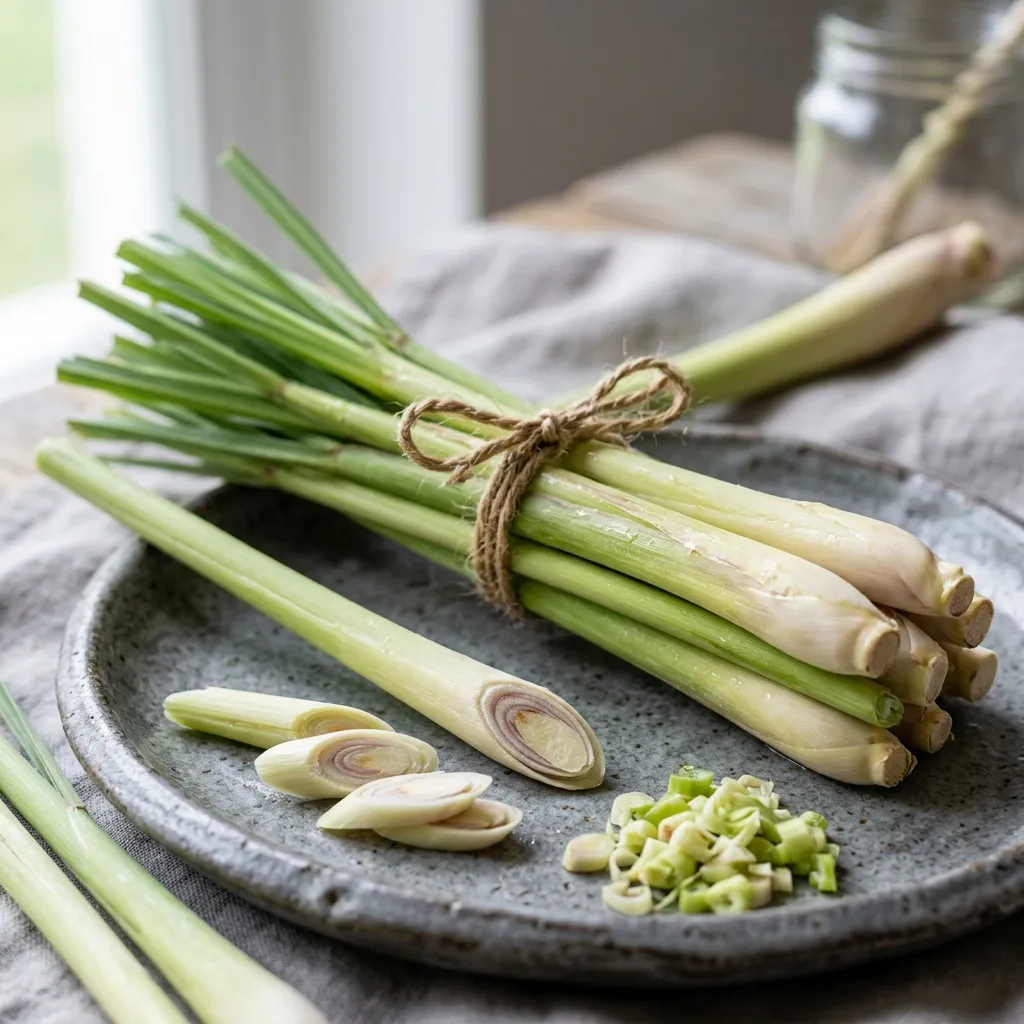
Lemongrass is a fresh herb, known for its mild flavor profile, and rich in essential nutrients like Vitamin K, Vitamin A, Vitamin C.

Regional names

Lemongrass

Origin

Lemongrass is cataloged inside the fresh herbs lane of herbs.

Native region

Global temperate and subtropical zones

Season

Best in peak growing season, though many forms are year-round
Food Combinations & Timing

Safe Combination Profile

It is safe to eat this food item with other food items.

Nutritional profile

Calories

25 kcal / 100 g

Protein

2.5 g

Carbs

4.0 g

Fat

0.6 g

Fiber

2.0 g

Water content

High when fresh, low when dried

Glycemic index

Negligible

Vitamins

  • Vitamin K
  • Vitamin A
  • Vitamin C

Minerals

  • Calcium
  • Iron
  • Manganese

Health benefits

Evidence-aligned highlights

  • Provides key macronutrients and micronutrients that support metabolic vitality.
  • Contributes essential dietary compounds that support tissue structure and recovery.
  • Ready for future custom nutritional mapping.

Flavor notes

Mild

Texture

Crisp

Aroma

Fresh

Pairings

Various flavor pairings

Safety & toxicity

Edible parts

Standard edible portions

Toxic or risky parts

Discard non-food-grade or spoiled forms

Raw vs cooked

Safe to consume according to culinary standards.

Allergies & intolerances

No common allergy warning.

Drug interactions

No major interactions for normal food amounts.

Safe daily limit

Enjoy as part of a balanced diet.

⚠️ Notice: This safety profile is a general guideline. Dietary tolerances differ; consult a healthcare professional for allergies or drug interactions. See our full disclaimer.

Who should avoid & how to handle it

Who should avoid or moderate

  • General population safe.

Preparation & storage

  • Clean: Wash or wipe clean according to the usual market form.
  • Cut: Slice, chop, or portion as needed for your recipe.
  • Cook: Prepared raw or cooked according to recipe preference.
  • Store: Keep in a cool, dry place or refrigerate.
  • Preserve: Freeze or dry for longer storage.

Cuisine & cultural use

Common cuisines

  • Global culinary use

Lemongrass appears in Global culinary use, often because its flavor structure and prep speed fit both everyday cooking and ceremonial dishes.

Dynamic Substitutions

No alternatives recorded for this specific item. It is chemically or botanically unique in the database.

🌱 Cultivation & Production

Lemongrass Home Growing Guide

Learn how to grow and cultivate lemongrass at home, whether you live in an urban apartment or have access to outdoor garden land.

Apartment Friendly

✓ Highly Recommended

Yes

Urban Space Advice

Excellent for indoor windowsills. Plant in a 6-inch pot with drainage holes.

Difficulty

Easy

Propagation

Seeds or stem cuttings (mint and basil root quickly in water).

Soil Type

Organic potting mix with good aeration

Watering

Moderate (keep damp, don't waterlog)

Sunlight

Bright window / partial sun (4-6 hours daily)

Best Season

Spring to Summer outdoors; year-round indoors

Step-by-Step Growing Guide

  1. 1

    Fill a small pot (with drainage holes) with organic potting soil.

  2. 2

    Sow seeds 1/4 inch deep (or insert a stem cutting that has been rooted in water).

  3. 3

    Place on a sunny windowsill facing south or west.

  4. 4

    Water gently when the topsoil feels dry, and pinch back top growth to keep it bushy.

Quick recipes

Fast recipes using Lemongrass

Breakfast

Lemongrass Ginger Chai

Sign in to save

Invigorating hot tea infused with fresh lemongrass blades and ginger.

Ingredients

Servings:2
  • 2 lemongrass stalks, crushed
  • 1/2 inch ginger, sliced
  • 2 cups water
  • 1 black tea bag
  • 1 tbsp maple syrup

Nutrition

  • 35 kcal
  • 0 g protein
  • 9 g carbs
  • 0 g fat

Preparation Steps

  1. 1Boil lemongrass stalks and ginger in water for 8 minutes.
  2. 2Steep tea bag in the hot water for 3 minutes.
  3. 3Sweeten with maple syrup, strain, and serve hot.