Jack-o'-Lantern MushroomDeath Cap
Plant-BasedMushrooms & Fungi
🔴Avoid / Toxic

Poisonous Amanita

Amanita muscaria

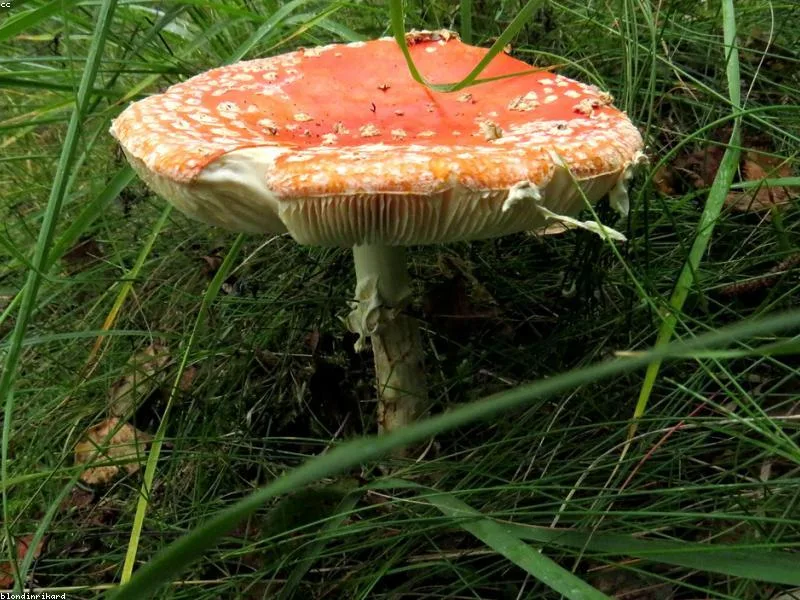
CRITICAL SAFETY WARNING: Poisonous Amanita (Fly Agaric) is iconic for its bright red cap studded with white warts. It contains potent neurotoxins including ibotenic acid and muscimol, causing severe delirium, hallucinations, loss of motor coordination, muscle spasms, and gastrointestinal distress.

Regional names

Fly Agaric, Red Toadstool, Fly Amanita

Origin

Widespread throughout temperate and boreal regions of the Northern Hemisphere.

Native region

Coniferous and deciduous forests across Eurasia and the Americas

Season

Late summer through autumn
Food Combinations & Timing

Safe Combination Profile

It is safe to eat this food item with other food items.

Nutritional profile

Calories

0 kcal / 100 g

Protein

0 g

Carbs

0 g

Fat

0 g

Fiber

0 g

Water content

Inedible / Neurotoxic

Glycemic index

N/A

Vitamins

  • None — Inedible

Minerals

  • None — Inedible

Health benefits

Evidence-aligned highlights

  • NONE — NEUROTOXIC WILD MUSHROOM FLAGGED FOR SAFETY WARNING & IDENTIFICATION

Flavor notes

Inedible, Neurotoxic

Texture

Fleshy

Aroma

Earthy, distinctive

Pairings

NONE — Do Not Consume

Safety & toxicity

Edible parts

NONE — Inedible Neurotoxic Fungi

Toxic or risky parts

Whole Mushroom (Contains Ibotenic acid & Muscimol)

Raw vs cooked

NEUROTOXIC — Do NOT consume raw or cooked. Causes central nervous system toxicity and severe agitation.

Allergies & intolerances

Neurotoxic poisoning.

Drug interactions

Interacts dangerously with central nervous system and GABA receptors.

Safe daily limit

0 g (DO NOT CONSUME)

⚠️ Notice: This safety profile is a general guideline. Dietary tolerances differ; consult a healthcare professional for allergies or drug interactions. See our full disclaimer.

Who should avoid & how to handle it

Who should avoid or moderate

  • EVERYONE — Severe Neurotoxic Poisoning Risk

Preparation & storage

  • Clean: DO NOT PREPARE OR EAT.
  • Cut: DO NOT CUT OR COOK.
  • Cook: DO NOT COOK.
  • Store: DO NOT STORE WITH FOOD.
  • Preserve: N/A — Strictly Inedible.

Cuisine & cultural use

Common cuisines

  • NONE — Inedible Neurotoxic Wild Fungi

Poisonous Amanita appears in NONE — Inedible Neurotoxic Wild Fungi, often because its flavor structure and prep speed fit both everyday cooking and ceremonial dishes.

Dynamic Substitutions

No alternatives recorded for this specific item. It is chemically or botanically unique in the database.

🌱 Cultivation & Production

Poisonous Amanita Home Growing Guide

Learn how to grow and cultivate poisonous amanita at home, whether you live in an urban apartment or have access to outdoor garden land.

Apartment Friendly

✓ Highly Recommended

Yes

Urban Space Advice

Excellent for indoor apartments. Requires no sunlight and thrives in dark, humid cupboards or closets.

Difficulty

Easy

Propagation

Mycelium spawn on sawdust or grain

Soil Type

Sawdust blocks, straw, or spent coffee grounds (no soil)

Watering

Mist multiple times daily to maintain 85%+ relative humidity

Sunlight

Shade / Dark (no direct sunlight)

Best Season

Year-round indoors

Step-by-Step Growing Guide

  1. 1

    Obtain a ready-to-fruit mushroom grow kit or mix spawn with pasteurized straw/sawdust.

  2. 2

    Keep in a cool, draft-free closet or cupboard.

  3. 3

    Mist the surface daily with a spray bottle to trigger pinning.

  4. 4

    Harvest the crop once the caps expand but before the edges roll upward.

Quick recipes

Fast recipes using Poisonous Amanita

Recipe links for Poisonous Amanita have not been seeded yet, but the full nutrition, safety, preparation, cuisine, and pairing details for this ingredient are already available above.