←FarroKhorasan Wheat→
Plant-BasedGrains & Cereals
🟢Safe

Freekeh

Triticum turgidum var. durum (Green roasted wheat)

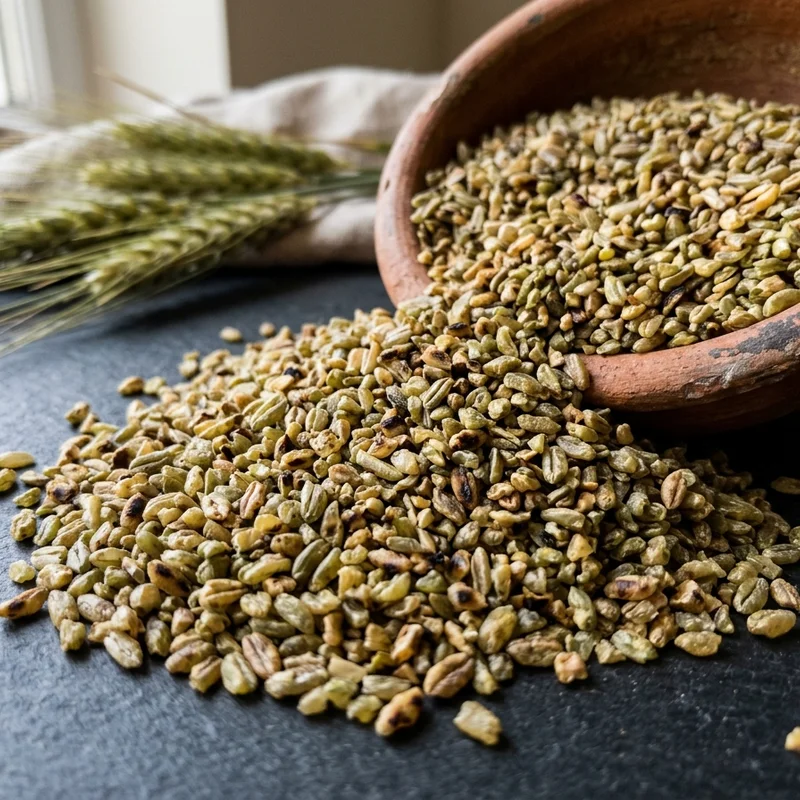
Freekeh is a wheat grain, known for its wheat and savory flavor profile, and rich in essential nutrients like Folate, Niacin, Thiamin.

Regional names

Freekeh

Origin

Freekeh is cataloged inside the wheat lane of grains & cereals.

Native region

Staple grain belts across multiple continents

Season

Available year-round depending on form, preservation, or sourcing
Food Combinations & Timing

✅

Safe Combination Profile

It is safe to eat this food item with other food items.

Nutritional profile

Calories

150 kcal / 100 g

Protein

5.0 g

Carbs

32.0 g

Fat

1.0 g

Fiber

4.0 g

Water content

Moderate when cooked (65% to 75%)

Glycemic index

Varies by grain and milling form

Vitamins

  • Folate
  • Niacin
  • Thiamin
  • Vitamin E

Minerals

  • Magnesium
  • Phosphorus
  • Selenium
  • Manganese

Health benefits

Evidence-aligned highlights

  • Freekeh is grouped with wheat ingredients that commonly contribute flavor, cooking flexibility, and category-specific nutrient value.
  • Freekeh can be compared against other grains & cereals items using the same EatPedia detail layout.
  • Freekeh is ready for future USDA and editorial enrichment while already carrying a structured safety and preparation profile.

Flavor notes

Wheat, Savory, Balanced

Texture

Texture varies across wheat items and how they are prepared.

Aroma

Wheat aroma varies by variety, freshness, and preparation.

Pairings

Roasted vegetables, Olive oil, Eggs, Yogurt, Beans

Safety & toxicity

Edible parts

Standard edible culinary portions of freekeh

Toxic or risky parts

Discard damaged, spoiled, or non-food-grade forms of freekeh

Raw vs cooked

Use wheat items according to the ingredient's normal culinary form, whether raw, cooked, dried, soaked, or preserved.

Allergies & intolerances

People with known sensitivities to grains & cereals items should confirm tolerance before larger servings.

Drug interactions

Normal culinary servings of grains & cereals items usually fit routine diets, but concentrated use can change tolerance or medication timing.

Safe daily limit

Typical meal-sized servings of grains & cereals items are appropriate for most adults when tolerated.

⚠️ Notice: This safety profile is a general guideline. Dietary tolerances differ; consult a healthcare professional for allergies or drug interactions. See our full disclaimer.

Who should avoid & how to handle it

Who should avoid or moderate

  • People with allergies, sensitivities, or medically restricted diets related to wheat items should review tolerance carefully.

Preparation & storage

  • Clean: Wash, sort, or inspect freekeh according to its usual market form before use.
  • Cut: Cut, peel, grind, or portion freekeh according to the intended recipe and texture target.
  • Cook: Prepare wheat items using the method that best suits their usual culinary form and texture.
  • Store: Store in the usual food-safe way for the product form you buy: fresh, dried, fermented, or shelf-stable.
  • Preserve: Freeze, dry, ferment, or pantry-store freekeh according to the form you buy and how quickly you plan to use it.

Cuisine & cultural use

Common cuisines

  • Breakfast
  • Pilafs
  • Bowls
  • Staple grain cooking

Freekeh appears in Breakfast, Pilafs, Bowls, Staple grain cooking, often because its flavor structure and prep speed fit both everyday cooking and ceremonial dishes.

Dynamic Substitutions

No alternatives recorded for this specific item. It is chemically or botanically unique in the database.

🌱 Cultivation & Production

Freekeh Home Growing Guide

Learn how to grow and cultivate freekeh at home, whether you live in an urban apartment or have access to outdoor garden land.

Apartment Friendly

✗ Not Ideal for Apartments

No

Urban Space Advice

Not practical for apartments. Requires large land acreage to harvest a usable quantity, but you can grow them indoors as nutritious microgreens or sprouts.

Difficulty

Hard

Propagation

Seeds

Soil Type

Standard agricultural sandy-loam

Watering

Moderate

Sunlight

Full sun (6-8 hours daily)

Best Season

Cool season (wheat/lentils) or Warm season (corn/beans)

Step-by-Step Growing Guide

  1. 1

    Sow seeds in rows 12 inches apart in an outdoor garden bed.

  2. 2

    Keep weeds controlled and water moderately during the flowering stage.

  3. 3

    Let the pods or grain heads dry completely on the stalk until they turn golden-brown.

  4. 4

    Harvest the stalks, thresh/shell the grains or beans from their husks, and dry before storing.

Quick recipes

Fast recipes using Freekeh

Dinner

Spiced Warm Freekeh Pilaf with Pomegranates

☆Sign in to save

Nutty, smoky green wheat freekeh simmered with warm spices, toasted almonds, and pomegranates.

Ingredients

Servings:2
  • 1 cup cracked roasted freekeh, rinsed
  • 2 cups vegetable broth
  • 1 tbsp olive oil
  • 1/2 tsp ground cumin
  • 1/2 tsp ground cinnamon
  • 1/4 cup toasted sliced almonds
  • 1/3 cup fresh pomegranate arils

Nutrition

  • 220 kcal
  • 7 g protein
  • 38 g carbs
  • 6 g fat

Preparation Steps

  1. 1Heat olive oil in a saucepan over medium heat; add rinsed freekeh and toast for 2 minutes until nutty and fragrant.
  2. 2Stir in ground cumin and cinnamon, then pour in vegetable broth.
  3. 3Bring to a boil, reduce heat to low, cover tightly with a lid, and simmer for 25 minutes until tender and liquid is absorbed.
  4. 4Remove from heat and let steam covered for 10 minutes.
  5. 5Fluff with a fork, fold in toasted almonds and fresh ruby pomegranate arils, and serve warm.